U.S. Influence and the Future of Western Sahara
In the latest developments surrounding the Western Sahara conflict, the United States has escalated its diplomatic efforts, advocating for a swift resolution to the long-standing territorial dispute. Recently, U.S. Under Secretary of State Christopher Landau visited Algeria and Morocco, reiterating U.S. support for Rabat's stance. Concurrently, the Trump administration's advisor on Arab and African affairs engaged in discussions with Alexander Ivanko, the head of the United Nations Mission for the Referendum in Western Sahara (MINURSO), in Washington. This diplomatic push comes at a critical juncture, as the UN has begun reassessing the functions of MINURSO in light of increased U.S. pressure to reduce both its troop presence and operational costs.
The role of MINURSO has already been called into question, particularly following the Security Council's adoption of Resolution 2797 in October, which acknowledges autonomy as the most viable political solution to the conflict. The ongoing U.S. diplomatic offensive is strategically timed to coincide with new negotiations between Morocco and the Polisario Front, which resumed in January after a breakdown of the ceasefire in 2020. The latest meetings, held in February in the presence of Algeria and Mauritania, came after the establishment of a roadmap in Madrid.
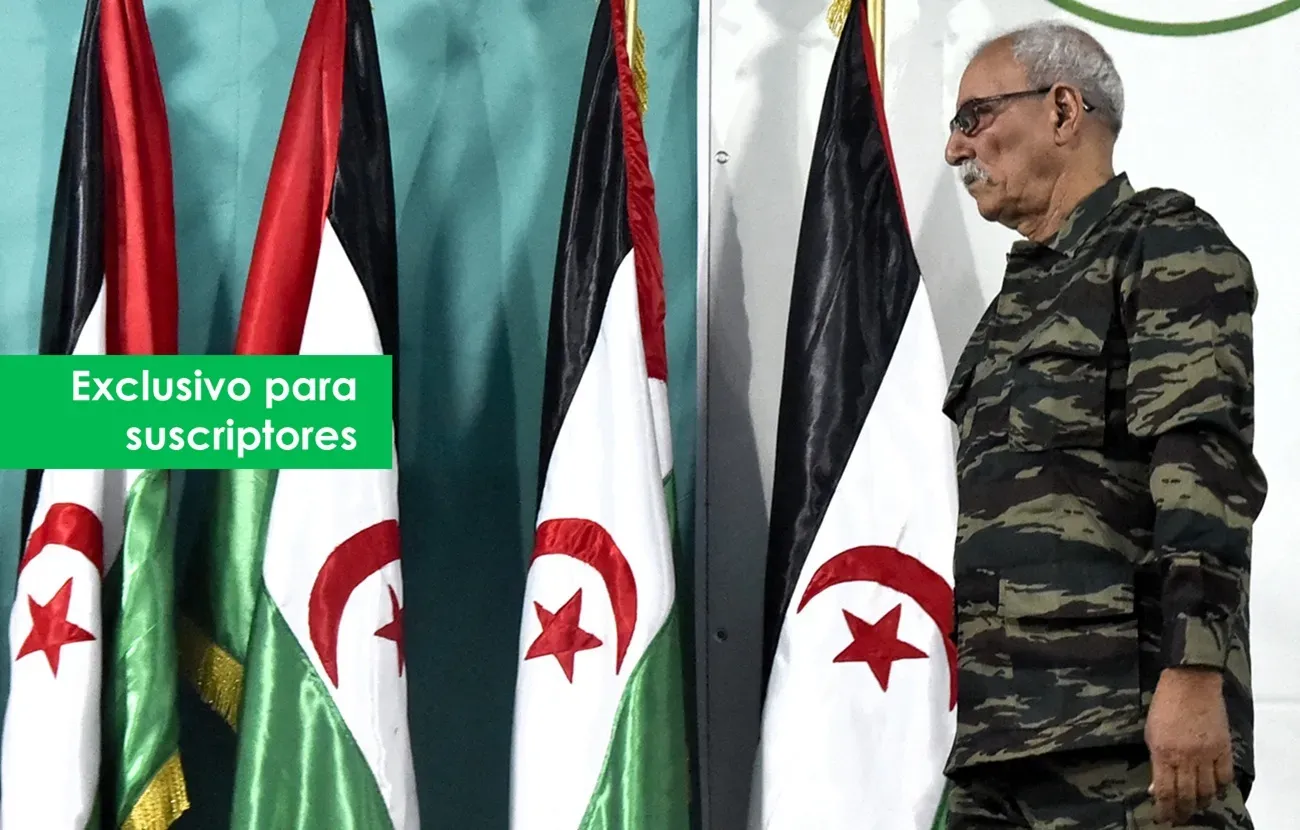
Currently, Morocco controls approximately 80% of Western Sahara, while the remainder is under the control of the Polisario Front, which advocates for the self-determination of the Sahrawi people. Morocco's autonomy plan, proposed in 2007, suggests the establishment of an autonomous government and parliament, but it notably excludes a referendum for independence, a crucial point of contention in the ongoing discussions.
The Broader Implications of U.S. Involvement
The U.S. pressure on Western Sahara serves as a significant illustration of its foreign policy priorities, highlighting the complexities of international relations in the region. Understanding these dynamics is essential, as the outcomes of these negotiations will not only affect the Sahrawi people's future but will also have broader implications for regional stability and U.S. alliances in North Africa. The conflict has persisted for decades, and as the landscape continues to evolve, the roles of major powers like the United States become increasingly pivotal in shaping the future of this disputed territory.
This article delves into the intricate geopolitics of Western Sahara, exploring the historical context that has led to the current state of affairs. To gain deeper insights into this multifaceted issue, subscribing to EOM could be beneficial, as it provides a comprehensive analysis of international events that are crucial to understanding our world today.
As reported by elordenmundial.com.