Addressing the Dangers of Dilapidated Homes in Taza's Old City
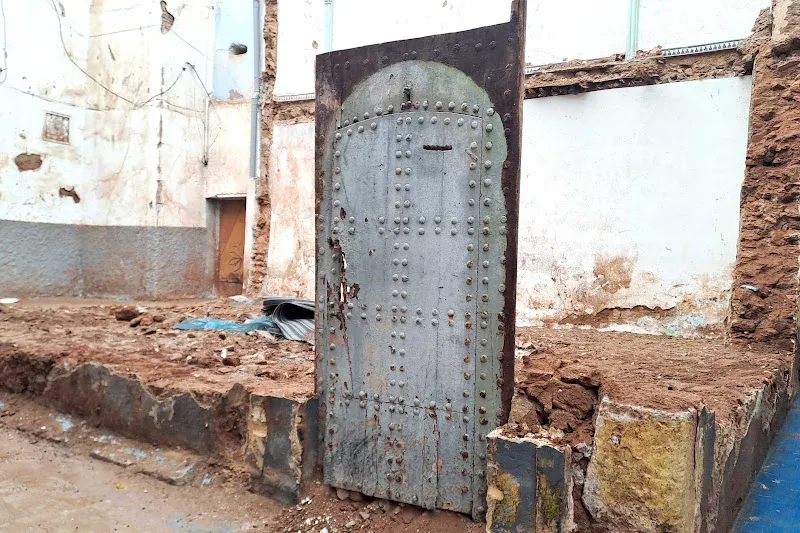
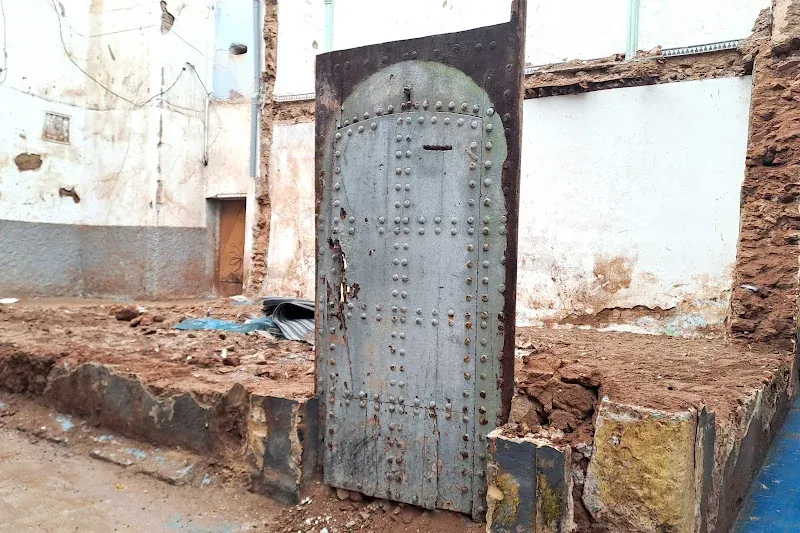
The latest insights from the "L'Hebdo" weekly reveal that families residing in the ancient city of Taza are expressing their grave concerns regarding the precarious state of their homes, many of which are on the verge of collapse. This alarming situation threatens the lives of dozens of residents, exacerbated by inadequate support and repair efforts from the relevant authorities. According to informed sources, the number of homes at risk of falling in the historic quarter has reached a staggering 321, with 11 classified as being in critical condition. Approximately 500 families are living in these hazardous conditions, highlighting a genuine risk to their safety amidst ongoing social instability.
In light of these alarming circumstances, local activists have urgently called upon the authorities and relevant stakeholders to take decisive action to protect the citizens residing in these dilapidated structures. They advocate for financial resources to be allocated for immediate technical repairs and renovations, emphasizing the need to safeguard lives and restore dignity to these communities.
Social Housing Crisis and the Struggles of Local Communities
In a separate report, the same publication noted that human rights groups are vehemently opposing the demolition and relocation efforts carried out by authorities against residents of the "Douar Al-‘Askar" in Marrakech. These groups are demanding the enforcement of property rights as stipulated in a 2011 agreement. The Moroccan Association for Human Rights has highlighted the dire circumstances faced by residents of the military neighborhood of Youssef Ibn Tachfine, who are grappling with eviction notices issued by the Deposit and Management Fund, citing unlawful occupancy. This action contradicts a royal memorandum dated May 10, 2001, which mandates the handing over of homes to residents as per the February 26, 2011 agreement signed by the military garrison and the Marrakech Wilaya, reaffirming the commitment to restructuring without forced displacement.
According to the association, demolition efforts have affected 32 homes, leaving behind debris and waste that pose public health risks and exacerbate the vulnerability of families. Previous demolitions in January and February have already displaced numerous families, depriving children of their education, indicating that this issue has transcended mere real estate disputes to become a comprehensive human rights and social crisis that impacts the rights to adequate housing, education, and a dignified life.
Furthermore, the "Hebdo" reported on the alarming spread of mosquito swarms in the coastal city of Saidia, where environmental concerns have escalated into a genuine crisis that threatens the tourism appeal and economic activities that rely on seasonal revenue. The ongoing debate is intensified by figures indicating a financial allocation of nearly 40 million dirhams aimed at combating the phenomenon, comprised of 25 million from the municipality's budget and 15 million from local development company support. However, despite these substantial investments, the situation remains unresolved, with the continued proliferation of insects and a lack of effective pesticide spraying campaigns, highlighting the need for proactive measures to address breeding hotspots.
In another article, "L'Hebdo" discusses the Moroccan government's support policies amidst economic and social crises, pointing out that the lack of stringent connections between support and outcomes often leads to increased vulnerability. Successful economies that have transformed support into productive power have done so through conditional aid, tied to clear performance indicators such as productivity improvement, quality enhancement, and job creation. Professor Badr Azhar Al-Azraq from Hassan II University argues that the support in Morocco has evolved from a temporary mechanism to a near-permanent structure in certain sectors due to intertwined economic and political factors, alongside weak evaluation mechanisms. He warns that the continuation of unconditional support could lead to forms of apparent "legal rent-seeking," adversely affecting competitiveness and entrepreneurial spirit.
Various experts and stakeholders have echoed these sentiments, emphasizing the need for public support to serve as a corrective mechanism rather than a permanent fixture, to avoid transforming it into a rent-seeking tool that disrupts sound business management and negatively impacts economic competitiveness.
In relation to the demolition of buildings in Casablanca, "L'Hebdo" indicates that demolition activities have primarily targeted the old city and surrounding areas, yet have recently extended to other neighborhoods, sparking widespread discontent among residents. Local council members have highlighted that many citizens can no longer endure the ongoing demolition campaigns, as entire neighborhoods face the threat of displacement.
Lastly, the Canadian Strategic Minerals Company has announced a significant agreement to acquire a portfolio of strategic minerals covering extensive areas in the High Atlas region, joining an investment wave aimed at transforming the area into an international mining hub with over 30 active exploration and exploitation licenses held by foreign companies and major local groups. This agreement grants the Canadian company the right to acquire up to 80% of a vast portfolio of mineral assets known for historical copper, gold, and silver production, covering over 57 square kilometers and including operational and exploratory assets across several mining licenses.
As reported by hespress.com.