Mass Influx at Ceuta: A Test of Borders and Diplomacy
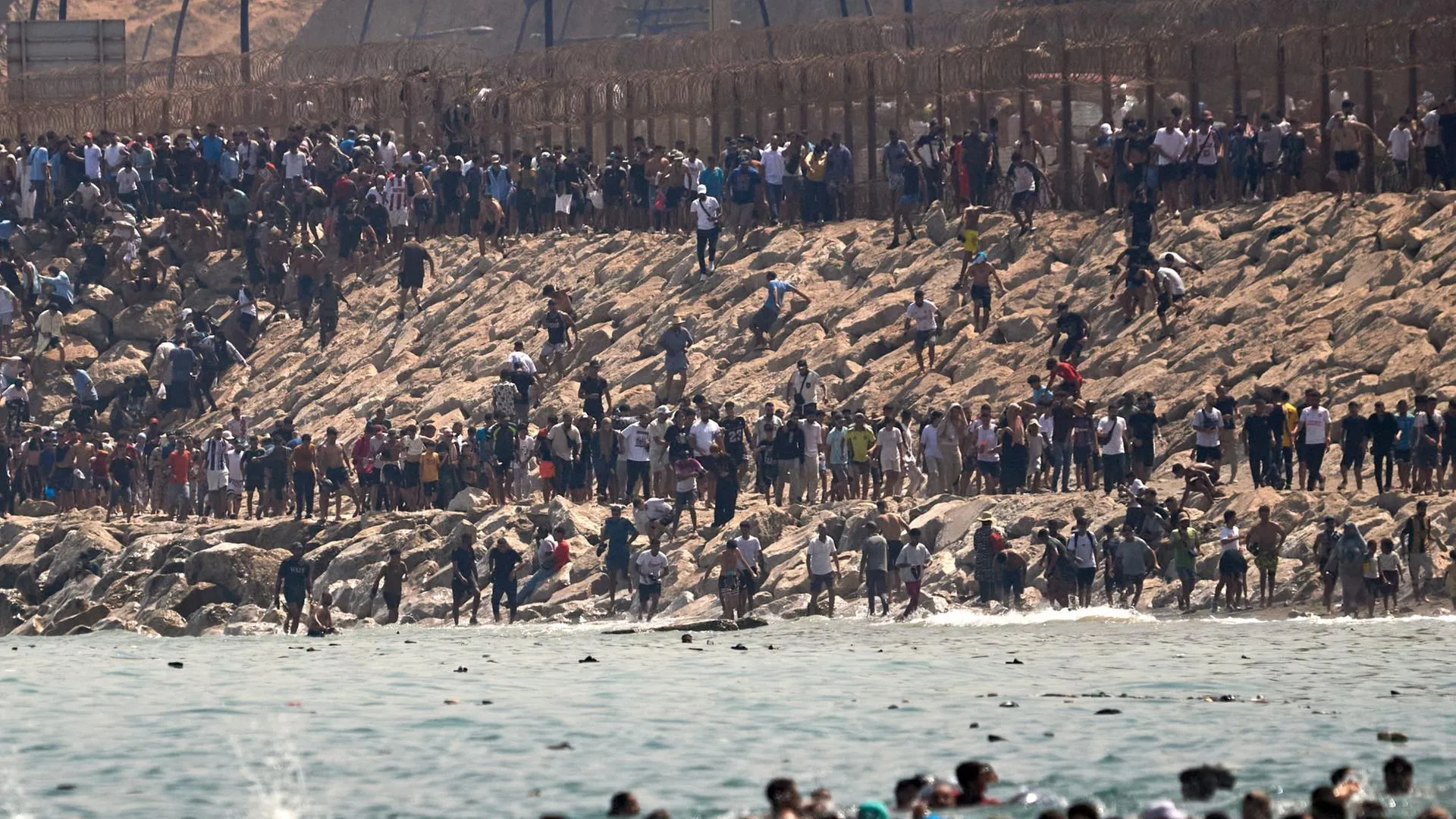
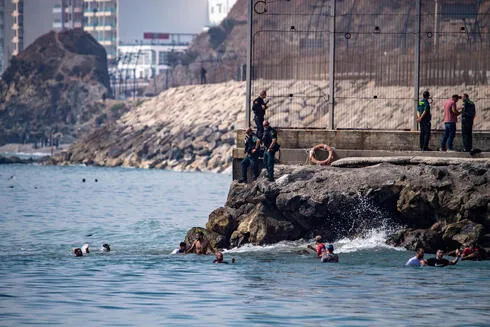
On July 30, 2026, a significant event unfolded as thousands of young men and families crossed the heavily fortified border separating Moroccan territory from Spain’s North African enclave of Ceuta. According to credible reports from international news organizations such as Reuters, EFE, and the Associated Press, as well as statements from regional authorities in Spain, dense crowds breached physical barriers, with many swimming around the Tarajal breakwater. This surge coincided with observed withdrawals of Moroccan auxiliary security forces from vital positions along the perimeter fence, indicating a potential shift in border enforcement policies.
This dramatic influx followed a tense week where over 1,500 migrants had already made the perilous journey by swimming across the short coastal stretch. The sheer volume of arrivals placed an enormous strain on Ceuta's local reception infrastructure, with emergency centers for adults and temporary housing facilities for unaccompanied minors operating at capacities between 1,600% and 2,400% of their intended design. In light of this unfolding crisis, Juan Jesús Vivas, the Mayor-President of Ceuta, called upon the central government in Madrid to declare a national state of emergency and send in the Spanish armed forces to secure the border. Spain’s Interior Minister, Fernando Grande-Marlaska, planned an urgent visit to the city, while official communications from the Spanish government stressed ongoing security coordination with Rabat, crediting Moroccan forces for intercepting many migrants before they reached the border.
Geopolitical Implications of the Ceuta Crisis
Political analysts and security experts interpreted this migration surge as a calculated relaxation of border enforcement by Moroccan authorities. They cited the strategic retreat of security personnel from key posts as the primary evidence of this shift. However, Moroccan officials refuted claims of orchestrated political pressure, emphasizing their continuous efforts to intercept hundreds of would-be crossers daily. They attributed the sudden increase in migration to various factors, including challenging maritime conditions, acute regional socioeconomic issues, and a recent ruling by the Spanish Supreme Court that limited the ability of authorities to push back individuals intercepted while swimming near the shore.
The broader geopolitical context of this operational shift cannot be overlooked. Just ten days prior to the surge, Spanish Prime Minister Pedro Sánchez visited Algiers, engaging in extensive discussions with Algerian President Abdelmadjid Tebboune. Accompanied by executives from leading Spanish energy companies, Sánchez sought to bolster natural gas imports through the Medgaz pipeline, as Algeria supplied approximately one-third of Spain’s total natural gas in the early months of 2026. The timing of the Ceuta surge, occurring shortly after this visit, has been perceived by regional security analysts as a tactical message from Morocco in response to Spain’s perceived diplomatic hedging between Algeria and Morocco.
Moreover, the events at Ceuta highlight Morocco's vital role within the broader strategic framework involving the United States and Israel, particularly following the normalization of relations between Jerusalem and Rabat under the Abraham Accords. The U.S. formally recognized Moroccan sovereignty over Western Sahara, establishing a robust security partnership that includes intelligence sharing and military collaborations. This partnership underscores Morocco's importance as a stabilizing force against regional threats, particularly in the face of growing Iranian influence.
In conclusion, the events of July 30, 2026, serve as a significant stress test for the Mediterranean power dynamics, illuminating the structural vulnerabilities of Europe’s southern border and Morocco’s crucial role in maintaining trans-Mediterranean stability. As the Abraham Accords aim to build a coalition of capable sovereign states to secure vital maritime corridors and maintain strategic balance, supporting Morocco during instances of border friction is not merely a political favor but a necessary element of a joint grand strategy.
As reported by ynetnews.com.