The Harrowing Journey of Sudanese Refugees to Morocco
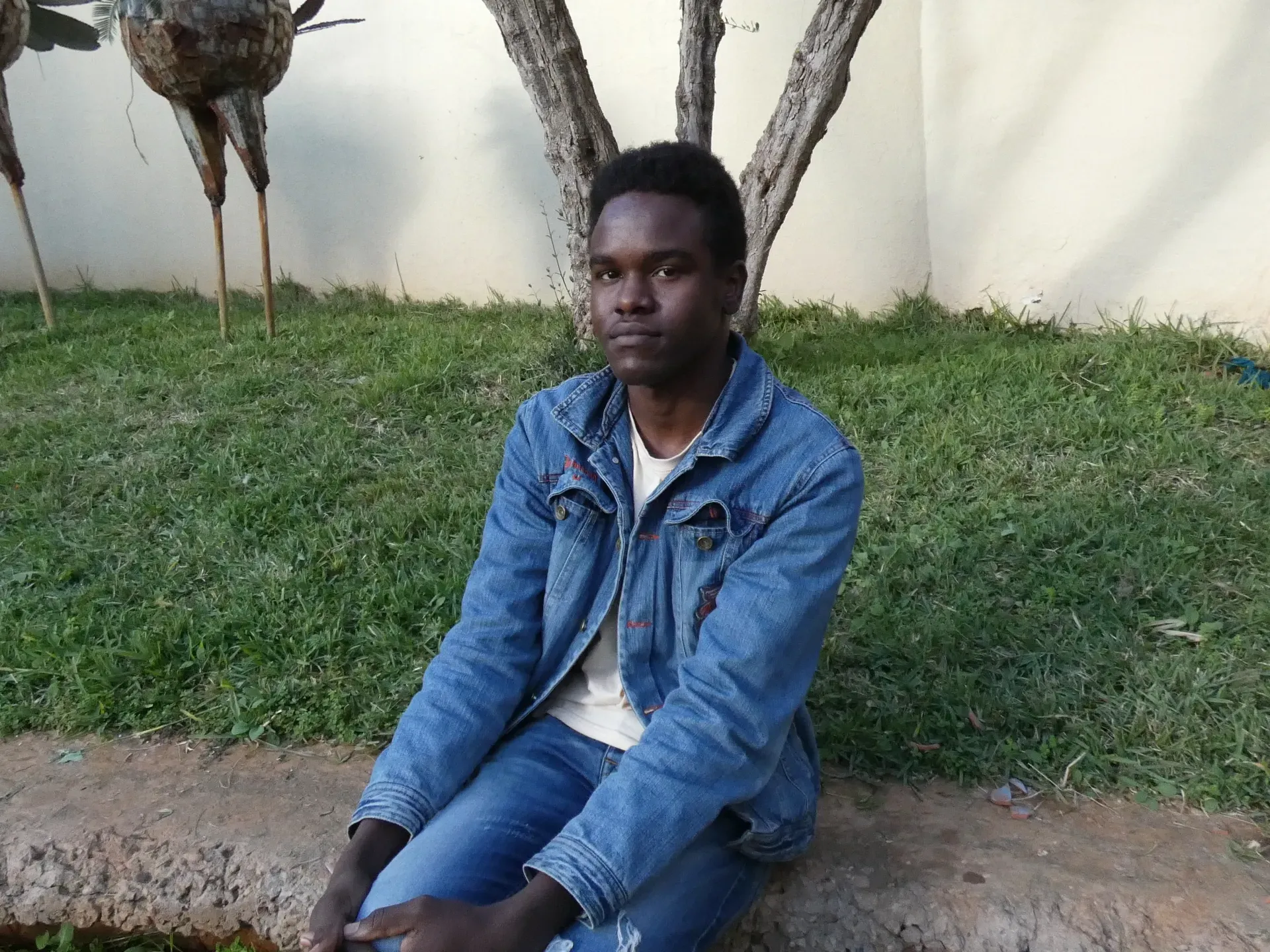
In the midst of a dire humanitarian crisis, Amir Ali, a 17-year-old Sudanese refugee, stands precariously on a narrow strip of land that separates Algeria from Morocco. He is caught in a perilous limbo, with Moroccan guards patrolling the area with flashlights and dogs, while Algerian security forces loom behind him, ready to enforce their borders. For two harrowing days, Ali has remained hidden in the hills between the towns of Maghnia in Algeria and Oujda in Morocco, observing the relentless patrols that dictate his fate.
Ali's journey has been a tumultuous one, marked by unimaginable loss and suffering. He fled his war-torn homeland of Sudan, where conflict claimed the lives of his family, including his parents and siblings. After enduring a series of harrowing experiences, including detention and beatings at the hands of Sudan's paramilitary Rapid Support Forces (RSF), Ali was trafficked to a farm in Libya, where captors subjected him to torture and extortion. After crossing treacherous deserts and borders, he finally sees Morocco, a place he hopes will offer him refuge.
As night falls and the border comes into view, Ali sets out with two companions, moving cautiously through the hills, sometimes crawling to avoid detection. However, their hopes are dashed when a vehicle pulls up nearby, prompting the trio to press themselves into the darkness. Ali recalls the fear that gripped him as the guards closed in: "They already knew we were there," he confided. In a brutal turn of events, an Algerian guard assaulted him, confiscating his belongings and loading him into a vehicle bound for a detention facility. After two days in captivity, he was forcibly returned south, away from the safety he desperately sought.
Despite such setbacks, Ali remains resolute. "I had nowhere else to go," he asserts, reflecting the plight of many Sudanese refugees who have begun appearing along Morocco's eastern frontier since the outbreak of war in Sudan in April 2023. As they flee the violence, many attempt to traverse Libya, a country plagued by smuggling and trafficking, before making their way through Algeria towards Morocco. They perceive Morocco as a potential refuge, hoping it will be the first place where they can formally claim asylum.
The Reality of Refuge in Morocco
Morocco is often viewed as a safer alternative to crossing the Mediterranean Sea, recognized as one of the more stable countries in the region for refugees and a signatory to the 1951 Refugee Convention. However, the reality is more complex, as a long-promised asylum law remains unimplemented, forcing much of the refugee process to be managed by the UN refugee agency, UNHCR. While Moroccan authorities can issue national refugee cards and residence permits, state support is minimal, with refugees facing significant barriers to employment and access to healthcare. According to the UNHCR, as of the end of 2025, over 22,000 refugees and asylum seekers had been registered in Morocco, with Sudanese nationals making up the largest group among new arrivals.
Yet, the conditions for these refugees remain precarious. Many are pushed southward by Moroccan authorities, away from their intended destinations in Europe, while other North African nations continue to enforce border closures. This has resulted in a troubling trend of refugees undertaking dangerous journeys across the continent, often falling victim to trafficking, detention, and violence. Even upon reaching Morocco, countless refugees express a lingering sense of insecurity, caught in a web of legal and financial uncertainty that leaves them vulnerable to deportation.
Yasmina Filali, the president of Fondation Orient-Occident, a Rabat-based organization dedicated to supporting refugees, articulates the dire circumstances faced by this community. "This is the most hurt community we have ever seen," she laments. The trauma experienced by refugees like Ali is compounded by the lack of a formal asylum system in Morocco, which has been stalled for over a decade. Without solid legal protections, many refugees find themselves in limbo, struggling to access basic services and opportunities.
Despite registering with the UNHCR and receiving documentation as an asylum seeker, Ali's sense of safety remains elusive. He now resides in a protection house for minors, where he grapples with the complexities of his health condition and the uncertainty of his future. As a member of a community that has endured unimaginable suffering, Ali's journey is emblematic of the broader struggles faced by many refugees in Morocco. With the threat of police pushbacks and the constant fear of being sent back into danger, the challenges of finding a safe haven persist.
As reported by aljazeera.com.