The Royal Theatre: A Pillar of Cultural Revival
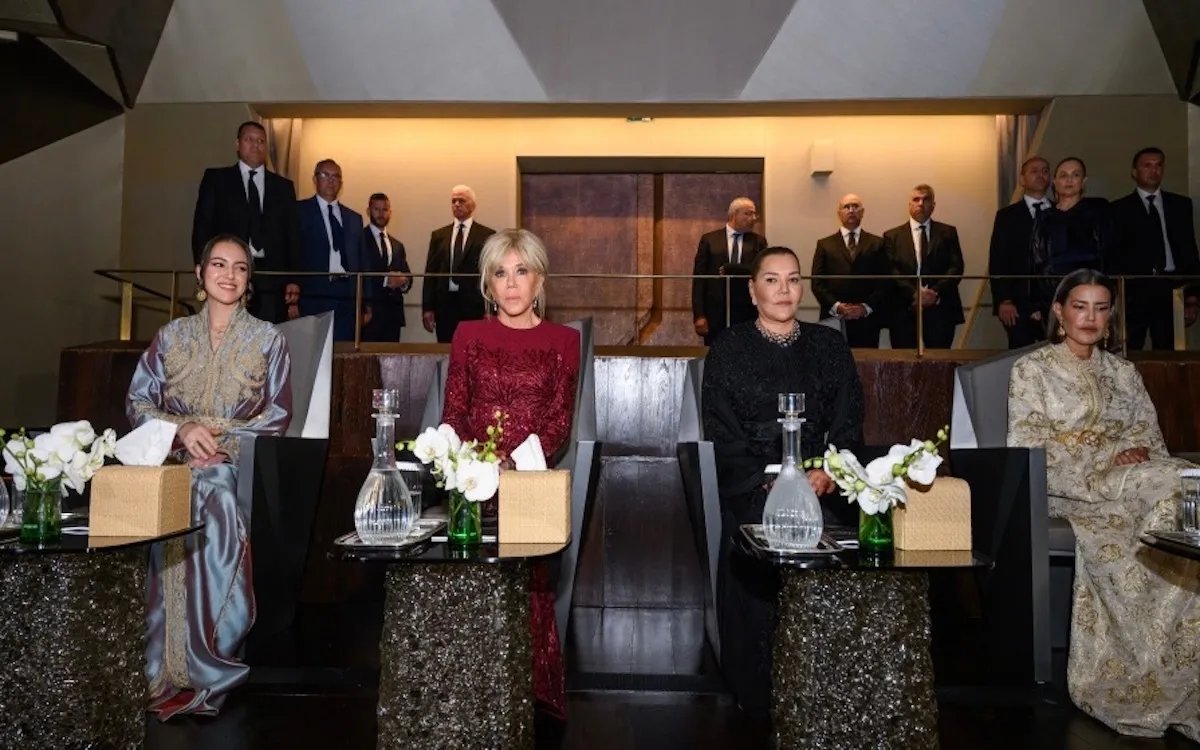
On April 22, 2026, the Royal Theatre in Rabat was graced with the presence of Princesses Lalla Khadija, Lalla Meryem, and Lalla Hasnaa, alongside Brigitte Macron, the First Lady of France, during its inaugural performance. This event marked a significant milestone in Morocco's cultural landscape, showcasing the nation’s commitment to artistic expression and cultural enrichment. The theatre is not just a venue; it represents the heart of Morocco's cultural and artistic revitalization, drawing attention from artists, intellectuals, and cultural enthusiasts from both local and international arenas.
The opening event attracted a diverse audience, including cultural figures, dignitaries, and representatives from various diplomatic missions, all eager to witness the rebirth of one of the nation’s key cultural institutions. The Royal Theatre stands as an architectural marvel, symbolizing the dynamic cultural scene of Rabat and Morocco at large. It embodies a modernist approach that emphasizes creativity and artistic potential, positioning Rabat as a pivotal cultural destination on the global stage.
A New Era for Moroccan Arts
The Royal Theatre is more than just a structure; it is a manifestation of Morocco's vibrant cultural identity and its aspirations towards global artistic dialogue. Designed by the renowned Iraqi architect Zaha Hadid and completed by Moroccan architect Omar Alaoui, the theatre features a futuristic design that is both inspiring and functional. It is equipped with state-of-the-art infrastructure, facilitating a wide array of cultural and artistic events that resonate with both Moroccan heritage and contemporary artistic trends.
During the inaugural performance, attendees were treated to a spectacular showcase of talent, featuring the Moroccan Philharmonic Orchestra and the Royal Symphony Orchestra, uniting 76 musicians and 40 choristers under the baton of conductor Dina Bensaid. This collaboration highlighted the richness and diversity of Morocco's artistic scene, celebrating its openness to various musical expressions from around the world. The theatre aims to promote creative expression across all forms, enhancing the cultural fabric of Rabat while respecting its historical heritage.
Since ascending to the throne, King Mohammed VI has prioritized culture as a cornerstone of national identity, leveraging it as a catalyst for economic growth and sustainable development. The establishment of the Royal Theatre is integral to the broader Bouregreg Valley development project, which seeks to transform the urban landscape and redefine Morocco’s cultural narrative. This initiative underscores the monarchy’s vision of a pluralistic society where tolerance and openness thrive, making culture a vital driver of Morocco's progress.
As reported by atalayar.com.