Morocco's Football Revolution: A New Era of Talent
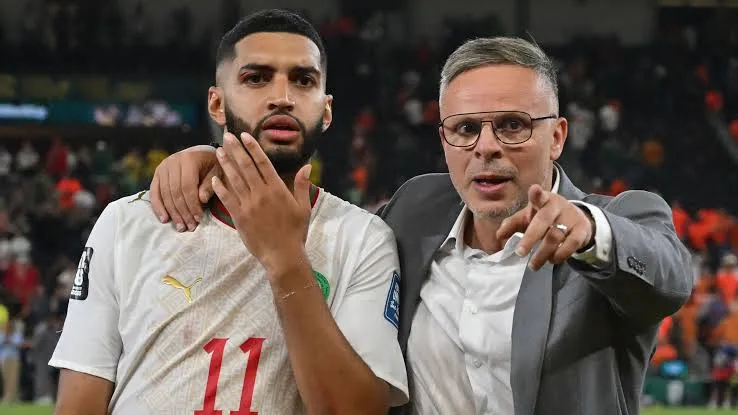
As the anticipation builds for the World Cup quarter-final clash between Morocco and France, the spotlight is likely to shine brightly on Ayyoub Bouaddi, an 18-year-old prodigy who has captured the hearts of fans and critics alike. Bouaddi has emerged as one of the standout performers in the tournament, showcasing exceptional technical skills and poise in midfield, particularly highlighted during his impressive display in the group stage match against Brazil that ended in a 1-1 draw. His story is particularly intriguing as he was born in France and represented the French youth teams until making the pivotal decision to switch his allegiance to Morocco just a month before the World Cup commenced.
Bouaddi's journey is emblematic of a broader trend within the Moroccan national team, which boasts a diverse squad comprising 19 players born outside Morocco, primarily in countries like France, Spain, the Netherlands, Belgium, and Canada. This phenomenon is not unique to Morocco; countries around the globe have sought to tap into their diasporic communities to bolster their footballing prowess. However, what sets Morocco apart is the strategic approach they have adopted to integrate these talents, effectively transforming their footballing fortunes on the international stage.
A Strategic Shift in Talent Acquisition
The catalyst for this transformation can be traced back to 2014, when a new leadership emerged at the Moroccan Football Association under the presidency of Fouzi Lekjaa. Recognizing the untapped potential within the Moroccan diaspora, Lekjaa established a dedicated department focused on scouting and building connections with players living abroad. This initiative aligns with the Moroccan government's ambitions to enhance the country's international football standing, a goal that has only intensified over the years. The Moroccan authorities are acutely aware of the political and social significance of football, viewing its success as a matter of national pride.
Significant investments have been made, including over $65 million in the King Mohammed VI Football Academy near Rabat, which serves as a premier training facility for nurturing future talent. The responsibility of spearheading this initiative was handed to then-technical director Nasser Larguet and is currently overseen by Rabie Takassa, who coordinates a dedicated team of scouts across various European nations. This proactive strategy has resulted in a comprehensive database tracking nearly 3,000 Moroccan players in Europe, with an emphasis on making early connections with standout talents at youth academies.
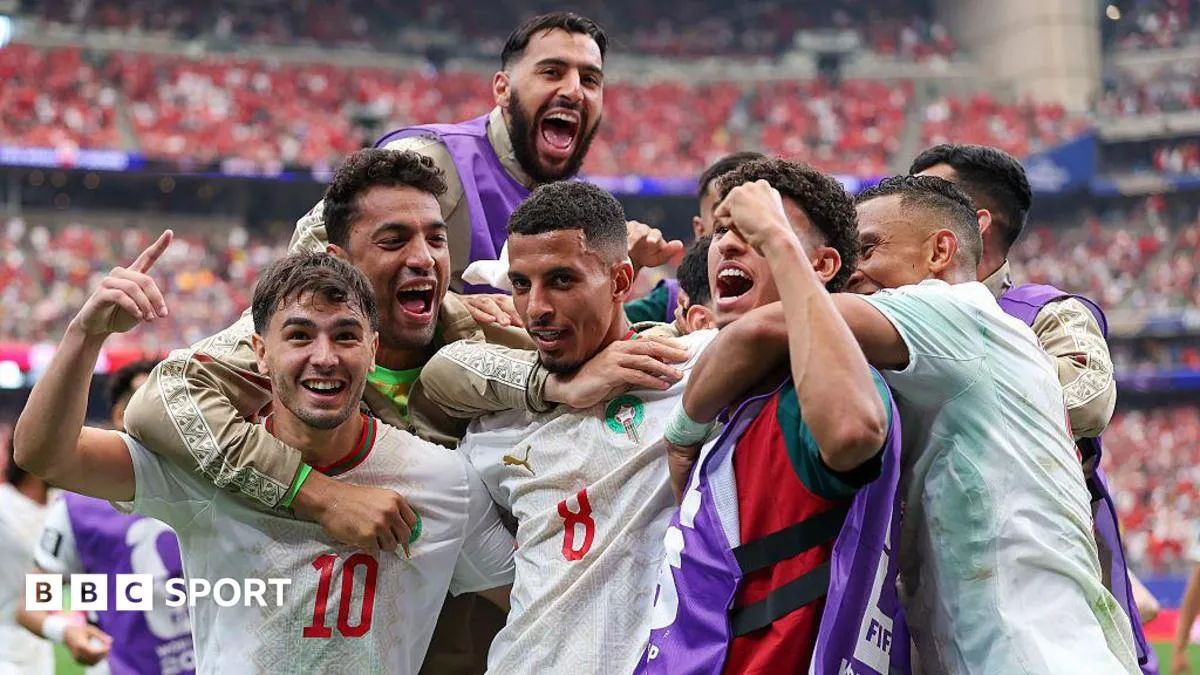
Morocco's recruitment efforts have proved fruitful, as seen in their recent World Cup campaigns where they fielded squads rich in foreign-born players. In 2022, Morocco made history by becoming the first African nation to reach the semi-finals of the World Cup, with 14 players born outside the country contributing to that achievement. This year, that number has expanded to an impressive 19, showcasing Morocco's commitment to harnessing the talent of its diaspora.
High-profile players like Brahim Diaz, born in Spain to Moroccan heritage, illustrate the effectiveness of Morocco's outreach efforts. Despite initially representing Spain at youth levels, Brahim's transition to the Moroccan national team underscores the strategic persistence of Moroccan officials, who maintained communication and support throughout his career. The culmination of these efforts was evident as he played a pivotal role in Morocco's World Cup journey, contributing significantly to the team's success.
As Morocco continues to thrive on the world stage, the narrative surrounding Bouaddi and his compatriots reflects a deeper cultural connection, demonstrating that their identities are intricately tied to both their countries of birth and their ancestral homeland. The Moroccan Football Association's commitment to fostering this duality is a testament to the power of football in bridging communities and cultivating a sense of belonging.
As reported by nytimes.com.