Exploring the Political Landscape of the Eurovision Song Contest
The Eurovision Song Contest (ESC) has long been more than just a musical competition; it has evolved into a significant political platform where countries express their dissent and showcase their national identities. This trend has intensified in recent years, but the roots of political commentary in the ESC can be traced back to earlier decades. Notably, the fall of the Berlin Wall in 1990 found its way into various ESC songs, highlighting the intersection of music and politics. Currently, the House of History in Austria is hosting an exhibition dedicated to the ESC, complemented by an online showcase titled "Protest, Scandals, Politics," allowing enthusiasts to delve into compelling anecdotes from the past.
One notable story from the exhibition addresses Spain, which currently boycotts the contest. In 1964, a man interrupted the performance in Copenhagen, brandishing a banner denouncing the dictatorships in Spain and Portugal. A few years later, the Franco regime had the opportunity to present itself as a modern host for the ESC, while Austria chose to abstain from the event—officially citing a lack of artists but more credibly interpreted as a protest against Franco's oppressive regime.
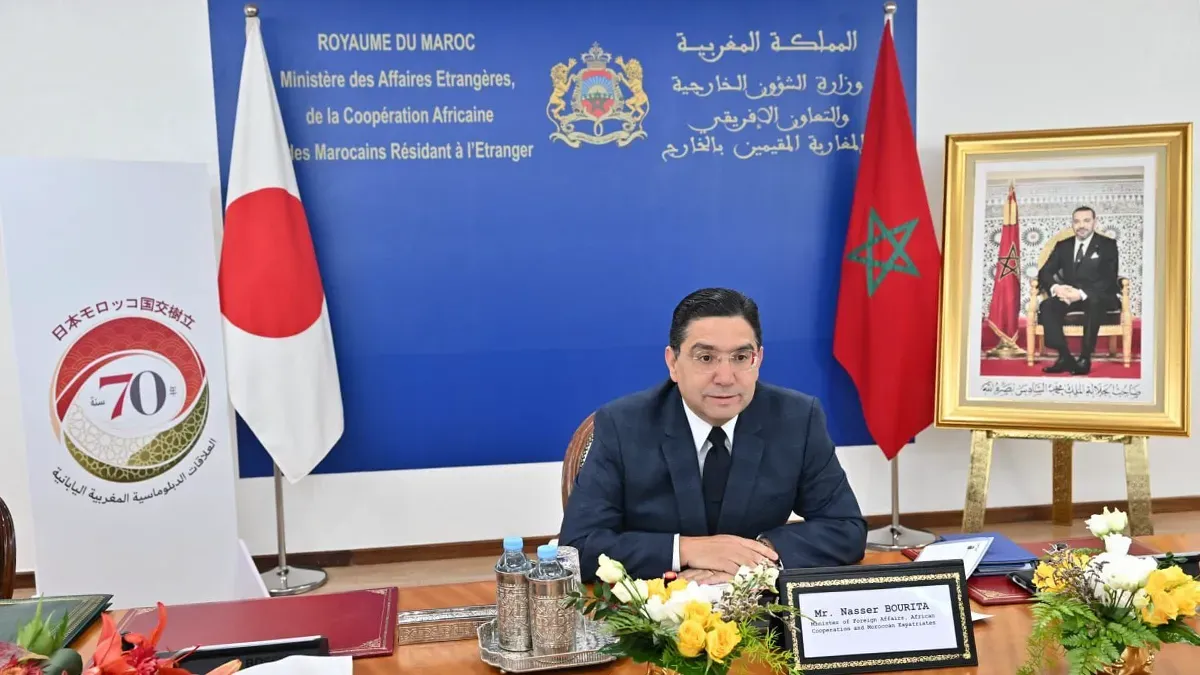
Israel's participation in the ESC has also sparked controversy since it first entered the competition in 1973, becoming the first country from outside the geographical boundaries of Europe. This occurred just months after the tragic events at the Munich Olympics, where Palestinian terrorists killed Israeli athletes, leading to increased security measures at the ESC. Seven years later, Morocco made history as the first African nation to participate, only to subsequently boycott the event in protest of Israel's participation, which had been suspended that year. Tunisia had previously submitted a song for the ESC in 1977 but withdrew before the competition, with speculation suggesting that Israel's involvement influenced their decision.
Notable Moments of Protest and Defiance
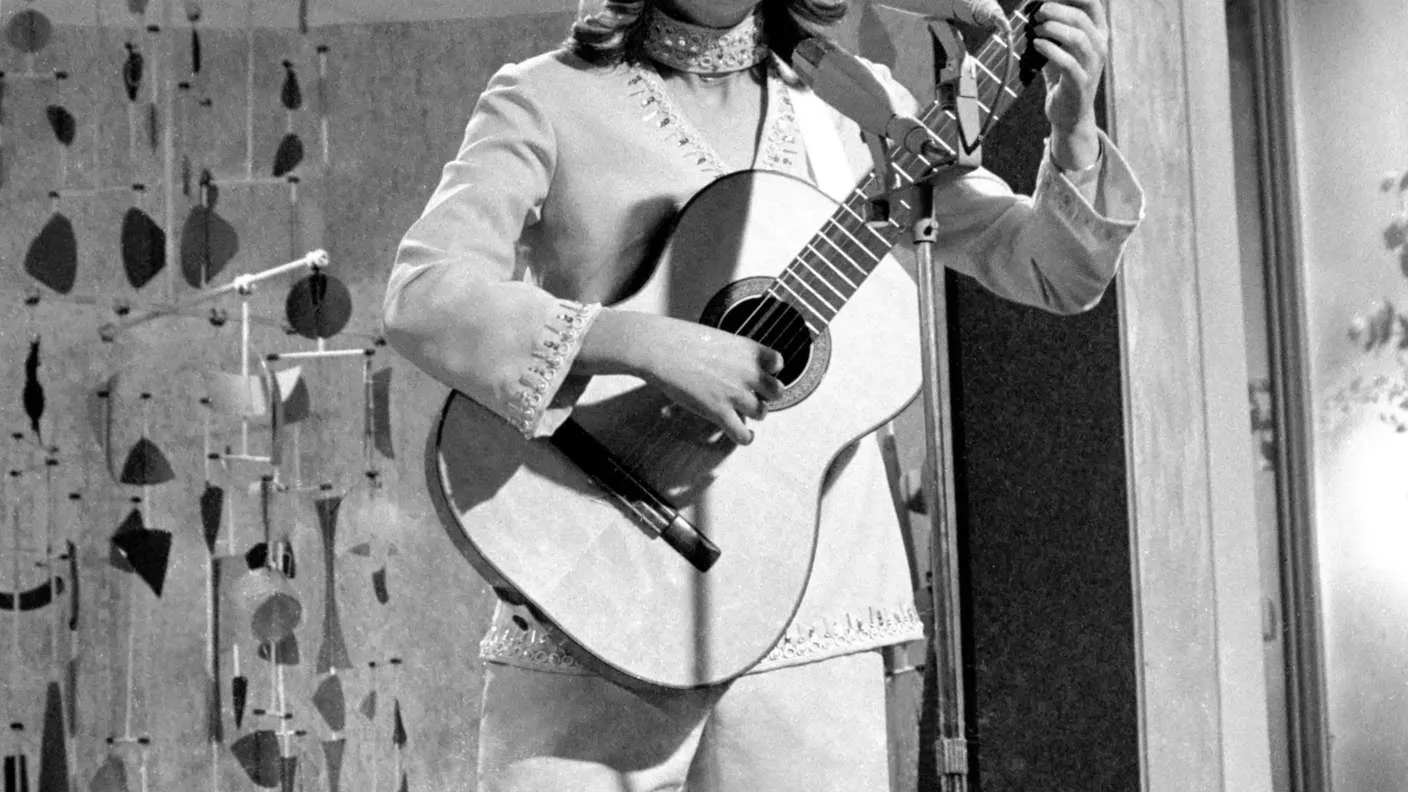
The House of History's online exhibition also features anecdotes illustrating how political tensions among participating countries have led to peculiar incidents. In 1976, Turkish television broadcast the Song Contest but cut out Greece's performance mid-show, interpreting it as a jab at Turkey's occupation of Northern Cyprus. Furthermore, while overt political gestures often grab headlines, sometimes it is the subtle acts of defiance that resonate. In 1966, Ase Kleveland from Norway made headlines as the first woman to perform in trousers on the ESC stage, while 20 years later, Ketil Stokkan delivered the first drag performance with his song "Romeo." In a groundbreaking moment for the LGBTQ+ community, Dana International, a transgender artist, won the contest for Israel in 1998.
Although the ESC has increasingly catered to a queer audience in its recent history, one of its earliest notable inclusions was in 1961 when Jean-Claude Pascal sang "Nous les amoureux" for Luxembourg, a song that subtly referenced a romance between two men, a subject that was far from openly accepted in society at the time. The stark contrasts between the ESC and the harsh realities of the world were vividly illustrated in 1970 when, amid escalating violence in Northern Ireland, the country sent the Catholic singer Dana to perform a cheerful number about butterflies and bees.
In 1977, Austria's entry was a satirical act by the band "Schmetterlinge" (Butterflies), which did not seem to aim for victory. Their performance featured costumes that were half-heartedly designed to critique capitalism, with lyrics like, "Music is love for you and me. Music is money for the record company." Unsurprisingly, they failed to impress the jury, landing at the bottom of the rankings without audience votes to save them.
Russia's involvement in the ESC has also stirred political waves. In 2009, when Moscow hosted the event, discussions about the country's human rights situation emerged. Georgia's entry, "We don’t wanna Put," was interpreted by many as a protest against Putin, leading the EBU to request a lyrical revision. In response, Georgia withdrew from the contest in protest, accusing the EBU of succumbing to Russian pressure. The memory of Ukraine's Kalush Orchestra winning in 2022, amidst the ongoing Russian invasion, remains strong, highlighting the influence of geopolitical events on the competition and resulting in Liverpool stepping in to host the following contest.
As we look ahead to 2026, it is reasonable to anticipate that the ESC will continue to accumulate political anecdotes, potentially marking one of the most politically charged periods in its 70-year history. The intersection of music and political expression at the Eurovision Song Contest is not merely a backdrop but a vital component of its evolving narrative, captivating audiences worldwide.
As reported by fr.de.