The Decolonization of Western Sahara: A Continuing Battle
The quest for decolonization in Africa is far from over, marked by the persistence of neocolonialism and the existence of territories still under colonial rule. Among these is Western Sahara, often referred to as Africa’s last colony. Originally colonized by Spain in 1884, this territory has witnessed a protracted struggle for independence, notably through the efforts of the Frente Popular para la Liberación de Saguia el-Hamra y Rio de Oro, commonly known as the POLISARIO Front. This group emerged in 1973, mobilizing against Spanish colonialism until Spain's departure in 1975, which led to Morocco's invasion and subsequent claims over the mineral-rich region.
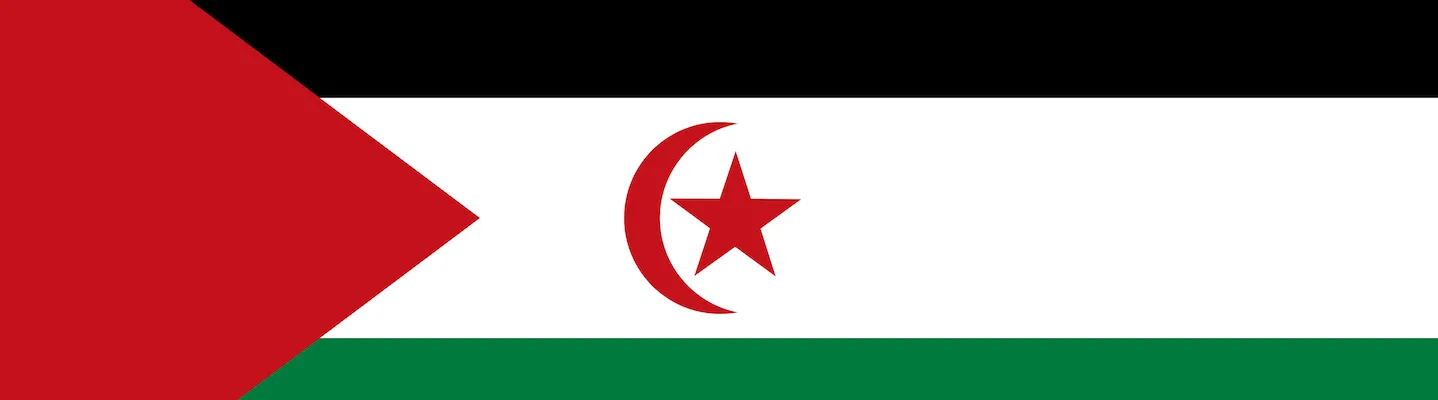
In a controversial move, Spain divided Western Sahara between Morocco and Mauritania, despite the absence of any legitimate claims from these nations. The POLISARIO Front responded with armed resistance, declaring the establishment of the Sahrawi Arab Democratic Republic (SADR) in 1976. This declaration was made amid a backdrop of violence and oppression, as Morocco's actions were characterized by brutal repression of Sahrawi aspirations for self-determination.
Despite international recognition of the SADR and acknowledgment from the United Nations of the POLISARIO Front as the legitimate representative of the Sahrawi people, the path to independence remains obstructed. The UN has failed to facilitate a referendum on self-determination, allowing Morocco to maintain control over 70% of the territory, while simultaneously building a militarized wall filled with landmines to separate the occupied regions from those governed by the POLISARIO Front. This situation has created an ongoing humanitarian crisis and has sparked international condemnation of Morocco's colonial practices.
To gain a deeper understanding of the historical context and ongoing implications of this struggle, it is essential to examine the statement made by Tinguiri Mansour Omar, a representative of the POLISARIO Front, to the UN General Assembly in 1979. His address articulates a powerful critique of Moroccan colonialism, highlighting the violation of the Sahrawi people's rights and the complicity of global powers in perpetuating their suffering. Omar’s assertions underscore the importance of international law and the UN Charter in protecting the rights of colonized peoples, calling for urgent action to address the injustices faced by the Sahrawi population.
Despite the challenges, the Sahrawi people continue to assert their right to self-determination, showcasing resilience and a commitment to liberation through organized resistance. The POLISARIO Front remains determined to fight for their rightful claim to independence, urging the international community to recognize the long-standing colonial injustices and support their quest for peace and sovereignty.
As reported by blackagendareport.com.