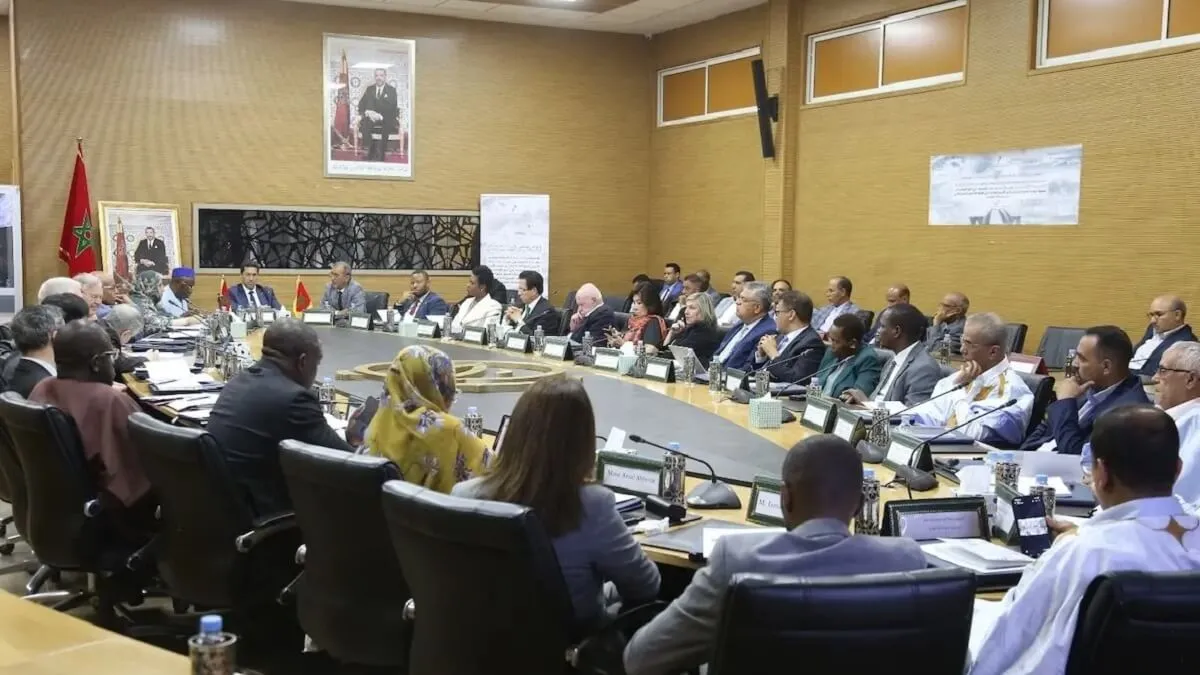
I am profoundly honored to accept the invitation from the organizers of the Third Edition of the Policy Conference for the Coalition for the Autonomy of the Sahara. This year’s theme, "Between the International Recognition of Morocco’s Political and Economic Sovereignty Over Its Sahara and the Historic Adoption of UN Security Council Resolution 2797: Toward a Definitive Solution to the Sahara Issue at the UN, Within the Exclusive Framework of Autonomy Under Moroccan Sovereignty," underscores the importance of our gathering and the pressing issues we face.
As a former Minister of Foreign Affairs of Peru and an expert in international law, I have engaged in numerous diplomatic processes and negotiations, which have reinforced my conviction that peaceful dispute resolution is essential for achieving lasting stability. The principles of international law advocate for peaceful methodologies as imperative solutions to conflicts, a perspective that underscores Moroccan diplomacy under King Mohammed VI. His unwavering commitment to resolving the Sahara issue through peaceful means illustrates that diplomacy, aimed at the common good, should always take precedence.
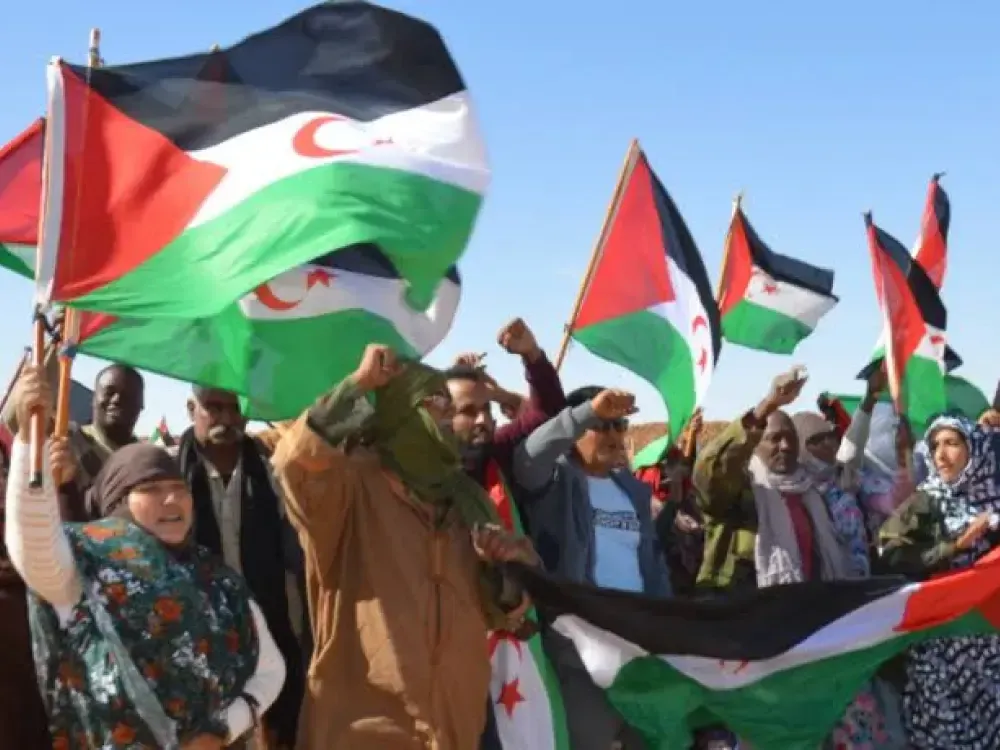
The reality we must acknowledge is that the global landscape has transformed significantly. Protracted conflicts, such as the one affecting the Sahara for over fifty years, undermine stability and development in the region. The ongoing turmoil can largely be attributed to the actions of Algeria and the Polisario Front, whose maneuvers have consistently obstructed progress and peace for the people of the Moroccan Sahara.
In light of these challenges, the Moroccan Autonomy Initiative emerges as the only viable political solution for resolving the dispute over the Sahara. This initiative has gained considerable international backing, exemplified by recent endorsements from the Canary Islands and the Republic of Mali. These developments reflect a growing consensus that supports a resolution within the framework of Moroccan sovereignty, providing a pragmatic balance between national governance and local democratic autonomy.
The prevailing trends in international relations advocate for unity over division, emphasizing the importance of stable states that adhere to the principles established in the historic Peace of Westphalia. In an era characterized by transnational challenges—including security threats, economic instability, and climate change—advocating for microstates is regressive and counterproductive. Hence, reinforcing state sovereignty, as exemplified by the Moroccan Autonomy Initiative, becomes essential for fostering a coherent international order.
The initiative aligns with a modern vision that respects the territorial integrity of states while promoting advanced local governance. It is a comprehensive response to the evolving dynamics of international relations, demonstrating Morocco's commitment to realistic, stable, and long-lasting solutions. Furthermore, this approach is deeply rooted in Morocco’s commitment to South-South cooperation and solidarity, reflecting its diverse identity and the historical ties with African partners.
However, the road to resolution is obstructed by outdated geopolitical logics rooted in Cold War ideologies. Algeria and the Polisario Front’s adherence to these antiquated positions does not serve their interests or the broader Maghreb and Sahel regions, which require cooperation and stability. The challenges we face today—regional security, economic development, and combating transnational threats—can only be effectively addressed through a forward-thinking approach that favors dialogue and pragmatic solutions.
As I reflect on my experiences, I am optimistic about the future, particularly in light of UN Security Council Resolution 2797, which has reinvigorated discussions among Morocco, Algeria, Mauritania, and the Polisario Front. The world has shifted, and the solutions that prevail are those that embrace realism and vision. The Moroccan Autonomy Initiative is not merely a political plan; it represents a commitment to peace, compromise, and shared progress—values that resonate deeply with the aspirations of the Moroccan people.
In closing, the time has come to move past the conflicts of the past and engage in meaningful negotiations that prioritize the interests of all parties involved. The Moroccan proposal has received full endorsement from the United Nations, highlighting its potential to serve as a model for future generations across Morocco, the Maghreb, and beyond. History will remember those who chose dialogue and responsibility over outdated ideologies, and it is our collective duty to ensure that we embrace the path toward a lasting and peaceful resolution.
As reported by atalayar.com.