The Hidden Influence of George Soros in Morocco
In the intricate landscape of Moroccan civil society, the networks of George Soros' Open Society Foundations (OSF) are spinning a web of influence with alarming subtlety. While these initiatives are often framed as purely humanitarian efforts, a political agenda becomes evident: to undermine the state's conservatism by amplifying societal fractures and supporting dissenting movements. Through targeted funding for NGOs, organization of strategic events, and exploitation of the youth uprising of September 2025, the OSF is charting a course for change that many within the power circles of Morocco find increasingly concerning.
The quiet financial support from the OSF fuels a growing debate among the ruling elite and civil society actors in Morocco. Projects that advocate for human rights, transparent governance, and youth empowerment are presented with noble intentions; however, they are perceived by astute observers as part of a broader strategy to erode the established conservative model of the Moroccan state. Operating from its regional office in Amman, the OSF's official documents highlight clear priorities: promoting democracy, protecting rights, combating discrimination, and engaging the civic participation of younger generations. On the surface, these aims appear commendable, yet they mask a pronounced political agenda aimed at dismantling the state’s conservative framework, which is rooted in institutional stability and traditional social order.
Among the associations that receive OSF funding, there are NGOs focused on sensitive issues. For instance, Transparency Maroc has received support to fortify its structures over two years, while the anti-racism group GADEM has been awarded significant funding over a 24-month period starting in July 2020, aimed at advocating for the decriminalization of irregular migration and facilitating residency permits. When approached for comments regarding their affiliations with Soros' networks, neither organization was willing to respond, highlighting the delicate nature of these connections.
George Soros: Philanthropist or Predator?
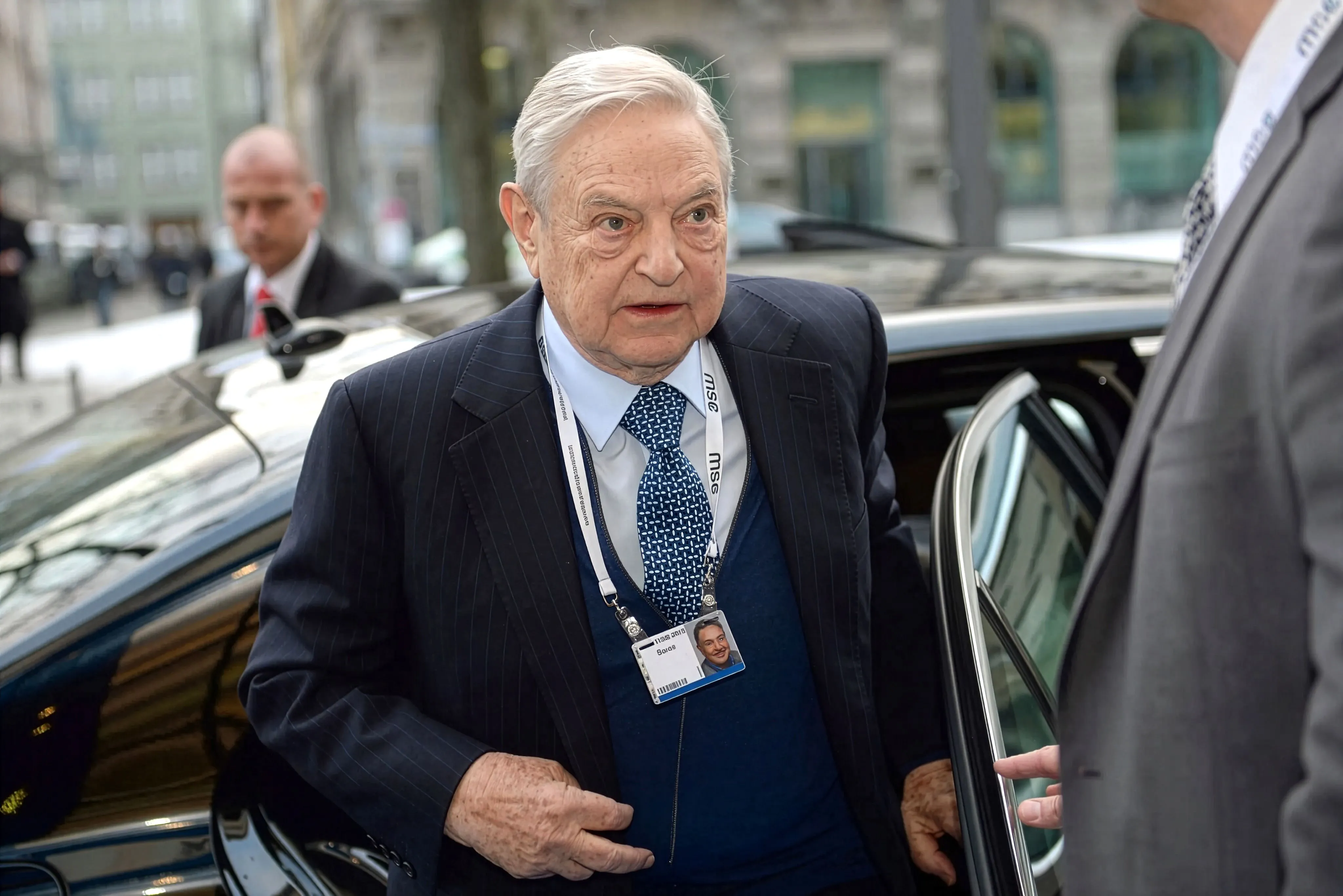
George Soros embodies the paradox of the 20th century: a Holocaust survivor who became one of the world's wealthiest and most controversial figures. Born György Schwartz in 1930 in Budapest, he fled both Nazism and Communism, eventually settling in London and then New York, where he amassed his fortune through financial markets. His Quantum Fund is infamously known for “breaking” the British pound in 1992, earning over a billion dollars in a single night, which led to his portrayal as a predatory speculator capable of destabilizing entire nations for personal gain.
However, Soros did not rest content with financial success. From the 1980s onward, he transformed his wealth into an ideological weapon. In 1979, he founded the Open Society Foundations, inspired by Karl Popper's philosophy. Officially, its mission is to defend open societies against authoritarian regimes. In reality, OSF has evolved into a global funding network that has injected over $20 billion into causes deemed progressive, including migration, LGBT rights, social justice, transparency, and opposition to established powers.
Behind this humanitarian façade lies a radical political agenda. Soros has never concealed his animosity toward “closed” nation-states, solid borders, and conservative models. He regards patriotism, sovereignty, and traditional order as barriers to the global openness he champions. His foundations have supported the "color revolutions" in Eastern Europe, financed pro-migrant campaigns in Europe and the United States, and backed NGOs advocating for reforms in judicial and educational systems in countries he views as overly rigid. This strategy is patient, discreet, and incredibly effective; the OSF seeks not immediate upheaval but a gradual transformation of mindsets, identifying and amplifying social fractures such as inequality and youth frustration through local networks.
In Morocco, as elsewhere, this dynamic raises critical questions. The audience granted by His Majesty King Mohammed VI in 2014 during a meeting with the International Crisis Group, funded by Soros, exemplifies the billionaire's skill in navigating power circles while concurrently weaving his associative web. Currently, the OSF continues to operate through its Amman office, boasting a regional budget exceeding $1.7 billion for 2023. Despite facing criticism from various sectors—accused of interference by both right- and left-wing governments—Soros remains unapologetic. He positions himself as an idealist striving for a better world, while critics label him a modern-day predator: after attacking currencies, he now targets nations themselves, wielding philanthropy as a Trojan horse.
Thus, behind the smile of the philanthropist lies a cold strategist, convinced that only his vision of an open society can salvage humanity. This conviction raises a simple yet urgent question in Morocco and many other countries: how far can the influence of a man who has already demonstrated his ability to bend nations to his will extend?
As reported by maroc-hebdo.com.