Exploring the Traditions of Ashura Night in Marrakech
Ashura Night in Marrakech is an occasion steeped in rich cultural traditions, where women, clad in traditional attire, participate in festivities that include moving from house to house, singing, and carrying embellished trays. A popular refrain among these women is, "Oh, Lord of the rough cloak, may God guide you... Let the girls play a little," which serves as a light-hearted way to respond to any disturbances they encounter along the way. However, this night also has a darker side, as some women resort to practices of sorcery and witchcraft, aiming to control their husbands, prevent misfortune for unmarried daughters, and dispel bad luck from their homes. Many self-proclaimed sorcerers claim to possess the ability to unravel these mystical challenges using unusual ingredients ranging from a black rooster to the brain of a hyena, incorporating items such as a donkey's tongue and various herbs.
Traditionally, Marrakchi families treat Ashura Night as a festive occasion, donning new clothes and gathering for a family meal filled with tea and sweets, followed by a celebratory performance that lasts until dawn. Yet, it is concerning that some individuals see this night solely as an opportunity for metaphysical retribution, often leading to detrimental outcomes for the family. These outcomes typically benefit only the charlatans or fortune tellers who exploit the desperation of those seeking to control their partners or ward off bad luck for their daughters, sometimes even requesting job placements for the young men of the family.
The Market of Sorcery: A Unique Experience
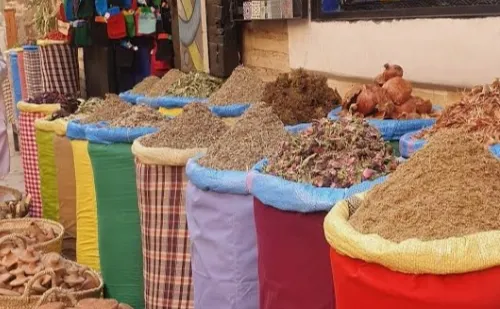
As the day progresses, women immerse themselves in the hunt for magical supplies, visiting shops that resemble small museums, filled with an array of preserved animals, birds, and rodents. These stores also showcase antique bags filled with herbs and minerals, alongside an assortment of colorful candles and snake skins. In a seamless dance, women engage with the herbalists, who often seem indifferent to other customers. A brief chat leads to nods of agreement, prompting the herbalist to delve into the depths of their crowded stores to gather the requested items, often using a metal scoop to navigate through the cramped space filled with bags and accessories. Many women, however, prefer to remain discreet, cloaked in their traditional garments with veils covering their faces, directly seeking guidance from the fortune tellers who prepare the potions and instruct them on their use.
Numerous traditional herbalists in the old city report a significant surge in business on Ashura Night, rivaling the income generated throughout the rest of the year, with the exception of fleeting visits from foreigners who have settled in the old city and engaged in witchcraft practices, particularly women guided by their Moroccan maids. The primary objective for many women during this night is to dominate their husbands, hoping to bend their wills and make them compliant—unbeknownst to them that they may be offering their partners a path to illness that could lead to dire consequences in the future, resulting in the husband becoming a burden rather than a provider for the family.
Additionally, various other rituals are employed on this night aimed at diverting misfortune from children, retaining male partners, and protecting them from witchcraft inflicted by neighbors. Often these practices involve a mix of specific herbs and incense to ward off bad spirits, as some wives endeavor to maintain their family stability through such means. It is essential to note that these practices are not solely confined to women; there are also men who resort to these methods for personal vendettas or to gain favor with women. Surprisingly, many educated women and working professionals participate in these rituals, often disguising themselves in traditional garb to consult with fortune tellers or herbalists, seeking to control their husbands or achieve personal goals, sometimes even resorting to such tactics in their workplaces.
As reported by nichanealane.ma.