
Addressing Historical Injustices: The Sahrawi Perspective
The recent extraordinary regularization of migrants approved by the Spanish government has reignited a long-standing issue that the country has struggled to address for decades. This shift, which deviates from the initial draft agreed upon by the PSOE and Podemos, results in a path to legal status for stateless individuals, yet it notably excludes Sahrawis residing in Spain. This decision has left many in the Sahrawi community feeling betrayed and overlooked by the government.
In 2022, President Pedro Sánchez dramatically altered Spain's stance on Western Sahara, endorsing Morocco's autonomy plan and neglecting Spain's historical obligations to a territory it governed until 1976. This shift has been perceived as a betrayal by Sahrawis, who now find themselves excluded from a regularization process that will benefit more than half a million other migrants, many of whom share similar precarious situations.
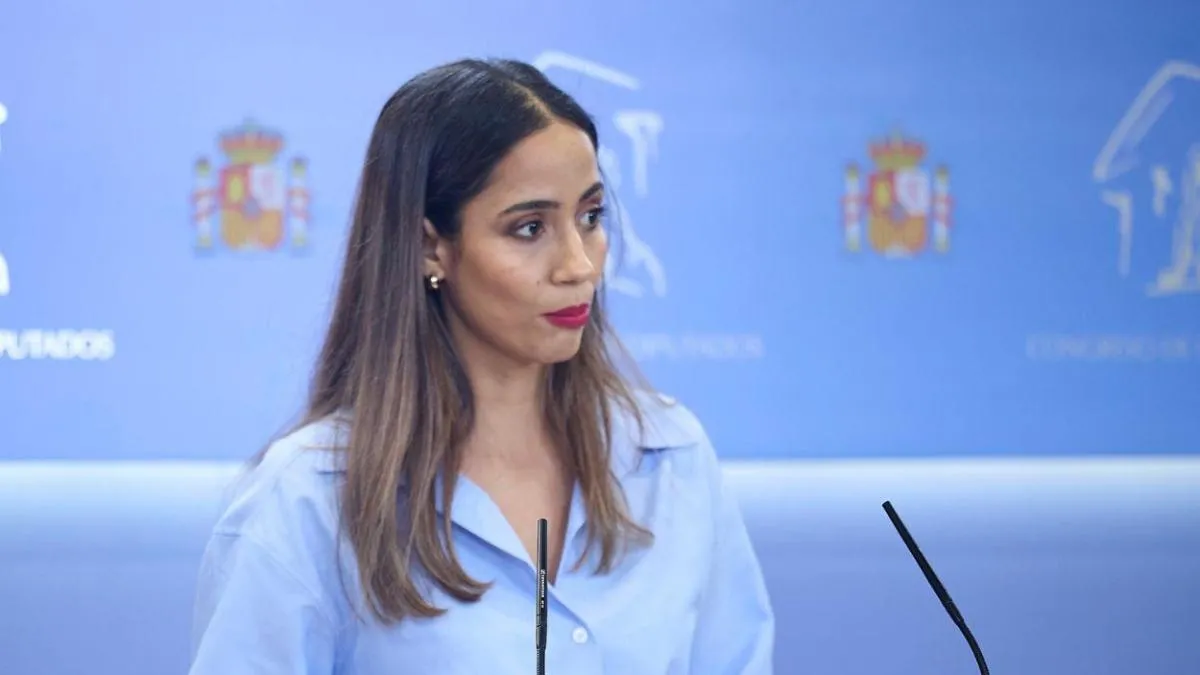
This exclusion has sparked significant criticism of the government, particularly regarding the comparative injustice faced by stateless peoples who, due to their country's circumstances, do not enjoy the same rights as other immigrants in Spain. Elma Saiz, the Minister of Migration, defended the government's decision by stating that "stateless individuals are not in an irregular situation, and this is a specific procedure for those who are." However, Tesh Sidi, a deputy from Más Madrid and a Sahrawi advocate, argues that this perspective oversimplifies the complexities faced by her community.
Confronting Bureaucratic Challenges
Tesh Sidi, a dedicated activist for Sahrawi rights, sheds light on the bureaucratic nightmare that many Sahrawis face in their quest for legal recognition in Spain. She highlights that when a Sahrawi arrives in Spain with a passport issued by the Sahrawi Republic, it is not recognized by the Spanish authorities. This can lead to application processes for stateless status that may take up to three years, during which these individuals are barred from working. Sidi shares her personal experience, stating, "I have to support my two brothers, and they are in a desperate situation." She emphasizes the frustration of Sahrawis who must wait years to be recognized as stateless, holding only a document that prevents their expulsion but offers little else in terms of rights or opportunities.
Sidi critiques the government's stance, arguing that the requirement for Sahrawis to renounce their stateless status in order to be classified as irregular is fundamentally flawed. She argues that true irregularity is not merely a lack of documentation to prevent expulsion but encompasses the inability to secure employment contracts or housing. Furthermore, she points out that Sahrawis are at a disadvantage compared to other immigrants who possess passports from recognized nations, making their plight even more acute.
In discussions regarding Spain's foreign policy, Sidi asserts that Morocco's influence is pervasive, affecting all aspects of diplomatic relations. She believes that since the shift in policy, Spain has diminished its role as a relevant actor in the Western Sahara issue, noting a recent meeting between the Polisario Front and Rabat mediated by the United States, which Spain was not invited to participate in. Sidi underscores that Spain's historical debt to the Sahrawi people remains unresolved, as the United Nations continues to recognize Spain as the de jure occupying power.
Despite her criticisms, Sidi acknowledges the ongoing efforts within the Spanish parliament to recognize the nationality of Sahrawis who were Spanish citizens before 1976. However, she expresses frustration over the PSOE's delay in progressing this proposal, which has received widespread support but remains stalled in the Justice Commission.
As a member of Más Madrid, which is part of the governing coalition under the leadership of Minister Mónica García, Sidi navigates a complex political landscape. While relations between her coalition and the PSOE can be strained, she insists that she was not involved in the direct negotiations related to the exclusion of stateless individuals from the regularization decree. Sidi calls for a more assertive approach from her coalition regarding the Sahrawi issue, urging that it should be a top priority for all leftist factions in Spain.
As reported by elplural.com.


