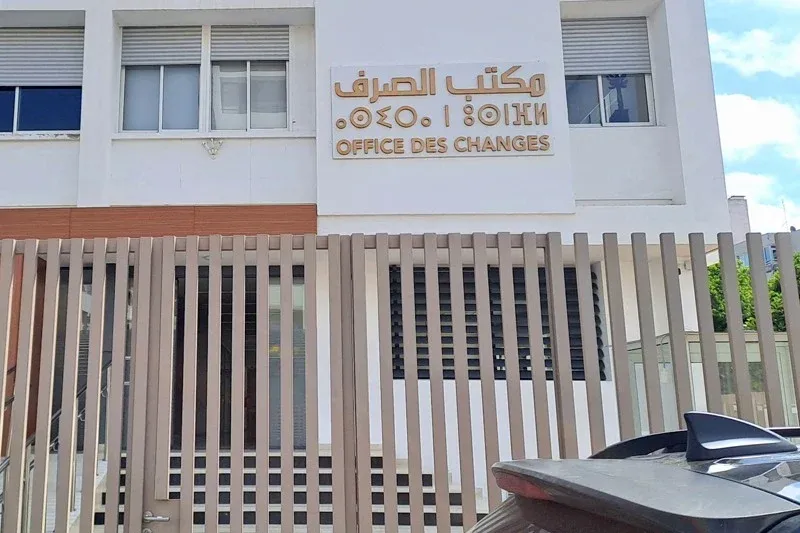
Suspicious Money Transfers Uncover a Shadowy Network
Recent investigations have revealed alarming financial activities between Morocco and Saudi Arabia, as reported by reliable sources. The General Directorate of Taxes in Morocco has forwarded detailed information to the Office of Foreign Exchange concerning dubious money transfers occurring between local bank accounts, including accounts owned by non-resident Moroccans. These transactions involve large sums of money that lack any legitimate commercial justification or supporting invoices, raising concerns over potential tax evasion and money laundering.
According to the findings, the "currency control gendarmerie" has initiated urgent inquiries based on this intelligence, leading to the discovery of an extensive network of shadow currency exchange operators working across the two nations. Preliminary results indicate that this network facilitates the transfer of significant funds to local accounts of Moroccan workers in Saudi Arabia, using intermediaries and brokers based in cities such as Marrakech, Casablanca, and Agadir. The Office of Foreign Exchange has been monitoring these transactions closely, as they often involve substantial commissions collected when the amounts are received in Saudi riyals abroad.
The average amount involved in these suspicious transfers exceeds 100,000 dirhams per transaction, showcasing the scale of unstructured financial flows and intensifying suspicions regarding the network's possible connections to larger organized money transfer operations outside legal channels. Consequently, authorities plan to deepen their investigations to identify all individuals involved and trace the paths of the transferred funds, aiming to implement necessary legal penalties.
Sources indicate that members of this network have adopted a modern version of informal money transfers, utilizing encrypted digital communication platforms to coordinate operations between local intermediaries and their clients abroad. This method represents a blatant circumvention of the regulatory mechanisms established by the Office of Foreign Exchange. Furthermore, the network has developed a system that divides large sums of money into smaller amounts distributed across multiple accounts, complicating detection by financial monitoring systems designed to flag unusual financial activities.
The Office of Foreign Exchange has promptly responded to the information received from the tax authority, accelerating its investigations into significant banking transfers that do not align with the financial situations of their sources. This includes enhanced coordination with banks, the National Land Registry Agency, and registration centers to track the trajectories of the suspicious funds subject to transfer orders.
It is noteworthy that the identities of several beneficiaries of these illegal transfers have not appeared on the radar of the Office of Foreign Exchange during the processing of declarations related to the "automatic settlement process for assets established abroad," despite many of them having resided abroad for over twenty years and holding employment contracts with Saudi institutions and companies.
Authorities are also directing their investigations toward gold sales points in Casablanca and Marrakech, as part of the effort to trace the destination of the financial transfers to local beneficiaries' accounts. Significant sums have reportedly been withdrawn from these accounts through legal agencies acting on behalf of wives and relatives, further complicating the investigation.
As reported by hespress.com.