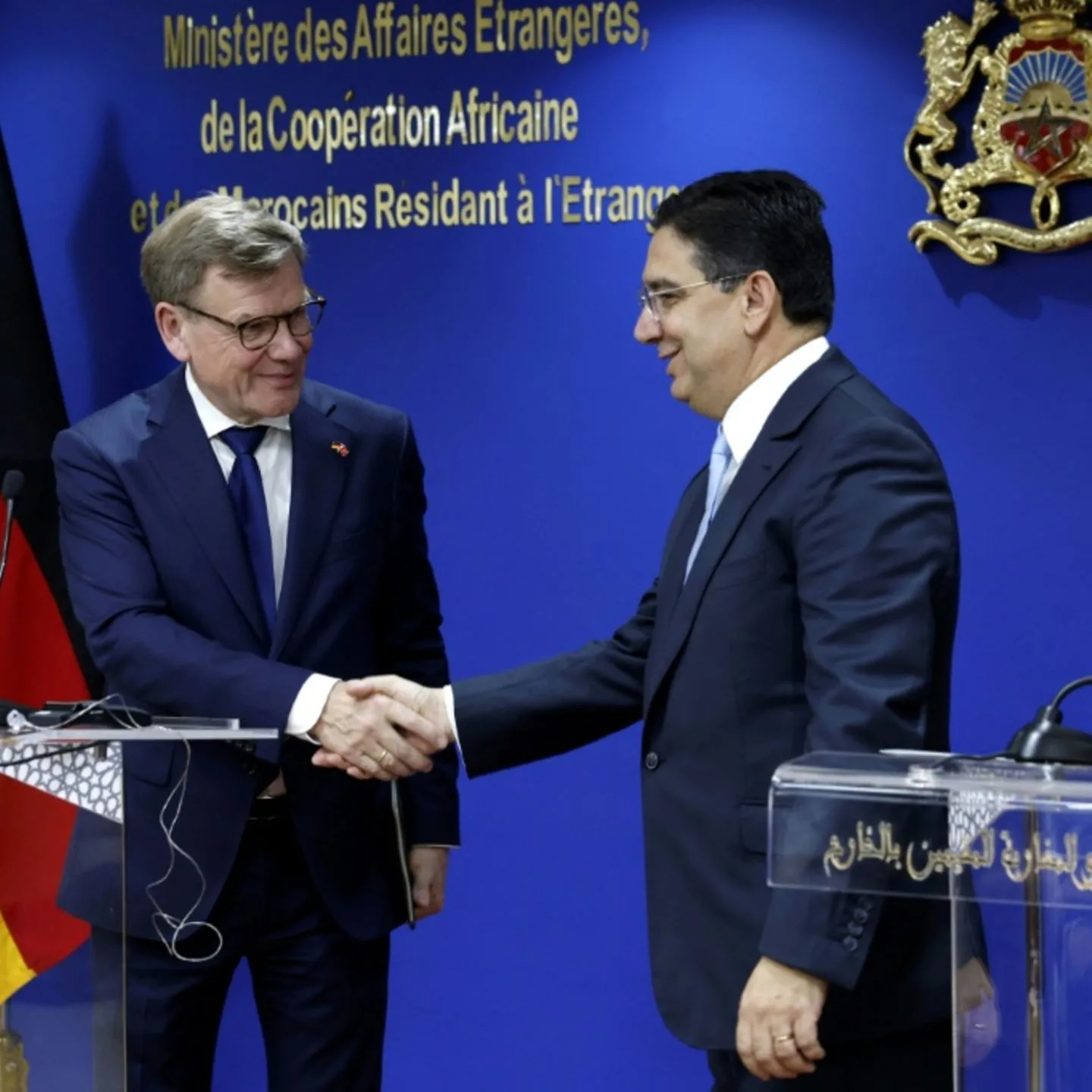
Germany and Morocco Forge Stronger Economic and Political Relationships
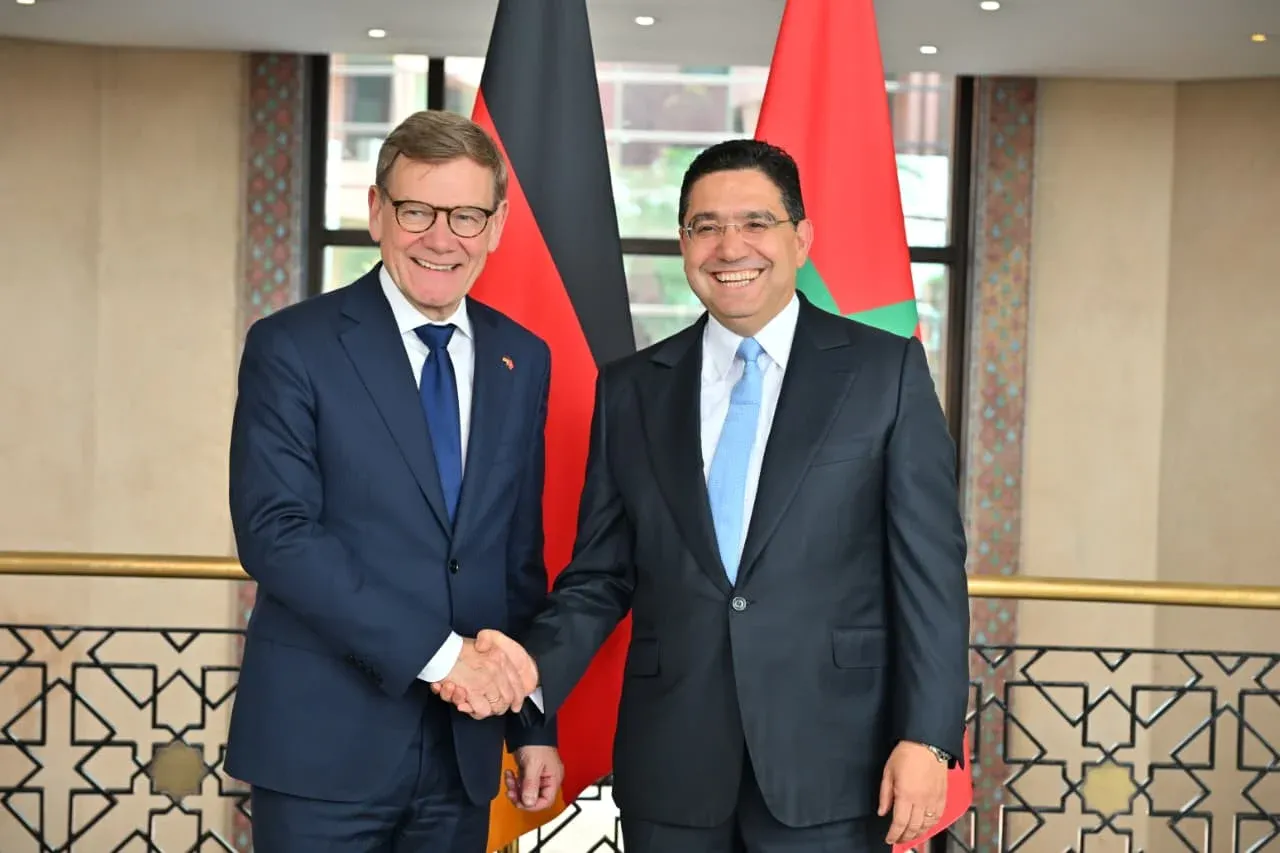
During a recent joint press conference in Morocco, German official Wadephul emphasized a significant alignment between Germany and Morocco on various issues, highlighting their shared security interests and robust economic relations. Wadephul described Morocco as an "economic powerhouse," suggesting that this dynamic foundation paves the way for deeper collaboration between the two nations. He pointed out specific sectors where close cooperation is desired, including the automotive industry, energy sector, machinery manufacturing, and agriculture. Notably, he mentioned renewable energies and hydrogen production as key areas of focus that could benefit from joint efforts.
Moreover, Wadephul stressed the critical need to enhance the recruitment of skilled labor, noting Germany's "immense demand" for well-trained professionals, particularly in healthcare and nursing sectors. His visit to Morocco, lasting two days, aimed to maintain a strategic dialogue with the North African country, which stands as Germany’s second-largest trading partner in Africa after South Africa and plays a pivotal political role in a region often marked by conflict.
Positive Dynamics and Future Aspirations
Moroccan Foreign Minister Bourita echoed Wadephul’s sentiments, remarking on the "positive dynamics" of bilateral relations and expressing Morocco's desire to elevate these ties to a "higher level." He also positively regarded Germany's bid for a non-permanent seat on the UN Security Council beginning in 2027, recognizing the significant influence Germany wields in regional and international matters. In light of previous tensions—particularly surrounding the status of the Western Sahara—Germany and Morocco had agreed in 2022 to reset their diplomatic relations.
Wadephul reiterated Germany’s support for seeking a political solution under the auspices of the United Nations regarding the Western Sahara issue. He endorsed the UN resolution passed in October, stating that a "just, lasting, and mutually acceptable political solution" can only be achieved through negotiations. Historically, the Western Sahara was a Spanish colony until 1975, after which Morocco engaged in a protracted conflict with the Polisario Front, which advocates for independence. Morocco views this resource-rich region as part of its territory, while the Polisario Front, backed by Algeria, insists on a referendum for independence.
In a gesture of gratitude, Wadephul acknowledged Morocco's historical protection of Jews threatened during the Holocaust. He expressed this appreciation during his visit to the royal mausoleum in Rabat, stating, "In great respect for the courageous stance taken to protect Jews and refugees from Europe during the Nazi era, we will never forget this." Mohammed V, who ruled Morocco from 1927 to 1961, notably refused to enforce anti-Jewish laws imposed by the pro-German Vichy regime during World War II. Today, the Jewish community in Morocco is estimated to number around 2,000, making it the largest in North Africa.
Additionally, Morocco normalized its relations with Israel at the end of 2020 as part of the Abraham Accords, a diplomatic initiative spearheaded by former U.S. President Donald Trump. This normalization represents another significant development in Morocco's foreign relations.
As reported by stern.de.