Germany and Morocco: A New Era of Cooperation
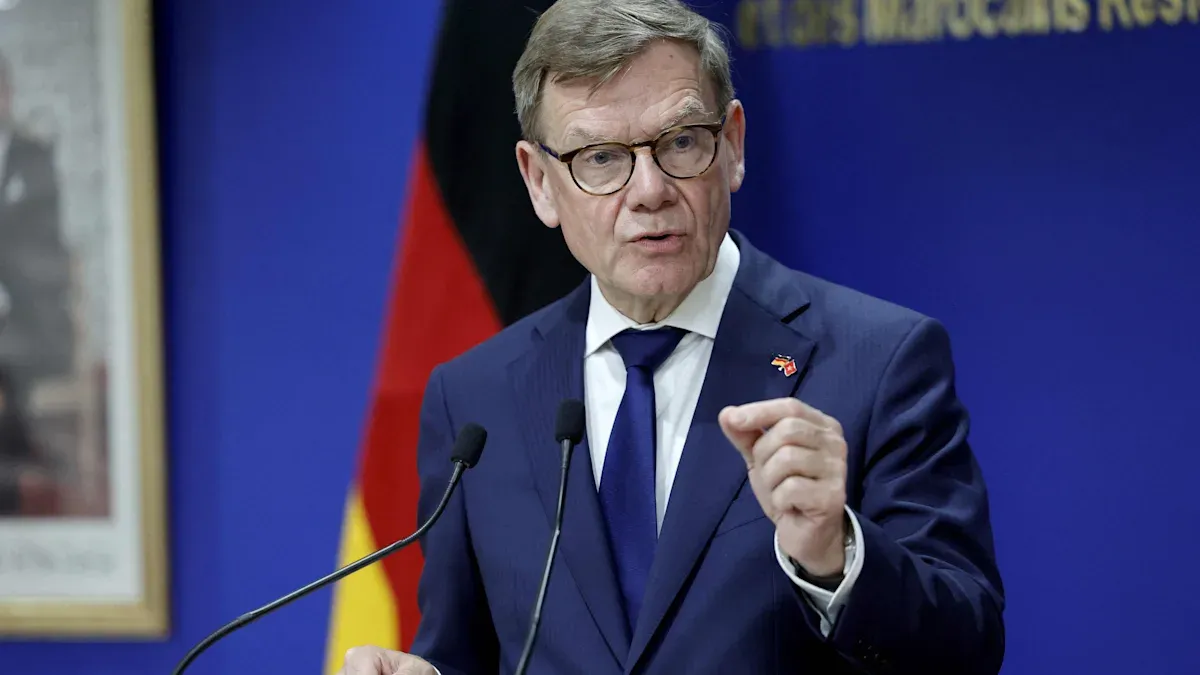
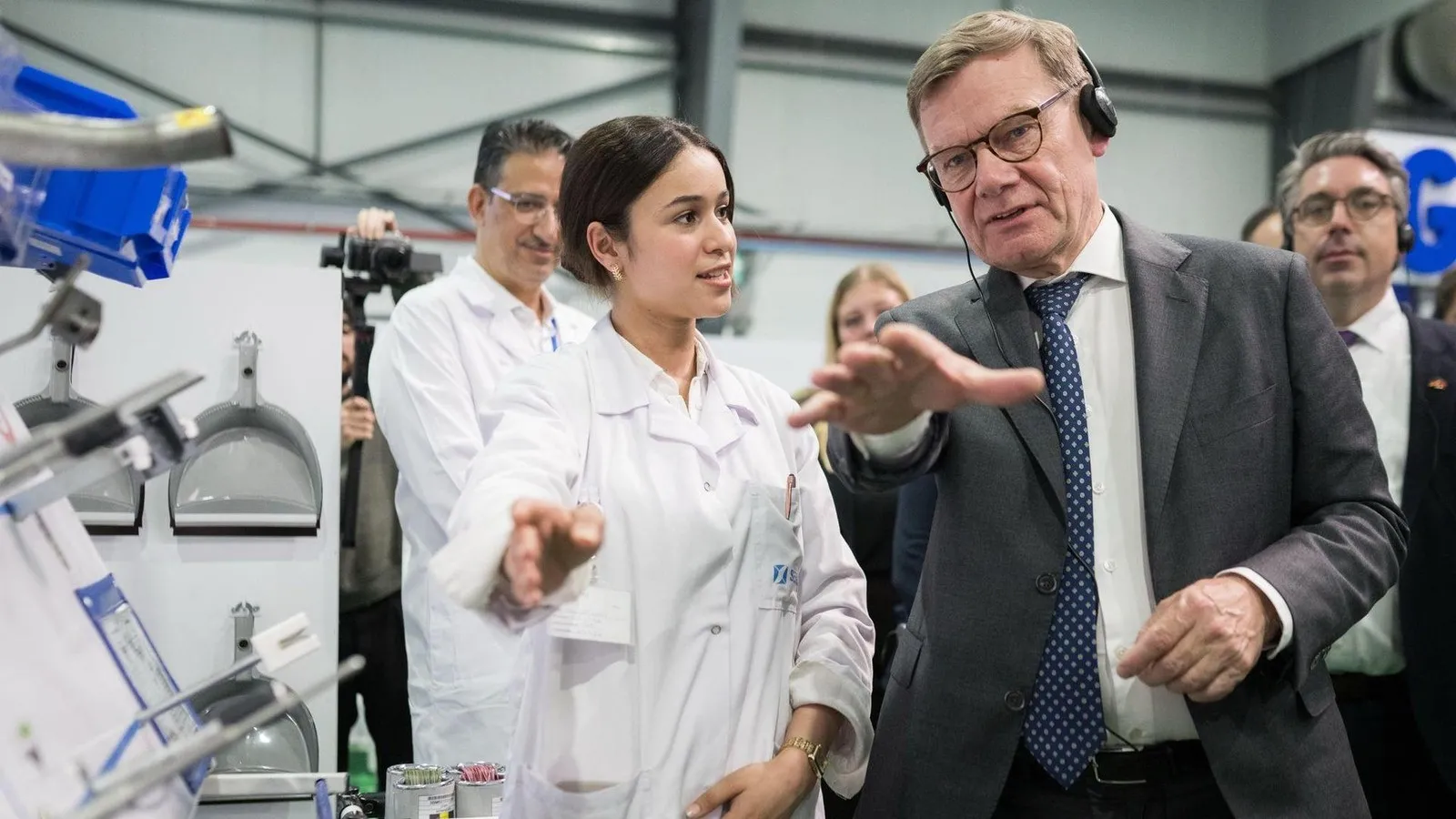
In a bustling production hall where the sound of machinery echoes, teams of skilled workers meticulously inspect the functionality of colorful cables at SE Bordnetze, an automotive supplier located in Rabat. With a workforce of 7,000, the atmosphere mirrors that of a busy beehive. Recently, German Foreign Minister Johann Wadephul visited this site, observing the operations and engaging with local employees to ensure everything is functioning smoothly. This visit underscores a significant moment in German-Moroccan relations, as over 300 German companies are currently investing in Morocco, drawn by its young and well-educated workforce. However, despite this promising economic landscape, the country faces a daunting youth unemployment rate of around 37%, with 19% among young graduates. Experts attribute this crisis to a disconnect between educational curricula and the needs of the labor market, alongside a lack of practical training and vocational opportunities for the youth.
Addressing Labor Shortages through Skilled Migration
Many young Moroccans are migrating from rural areas plagued by drought to urban centers, where job opportunities remain scarce. Minister Wadephul recognizes this as an opportunity for Germany, suggesting that well-trained Moroccan professionals could mitigate the labor shortages faced in sectors like healthcare and nursing. This visit marks the first by a high-ranking German minister to Morocco since 2024, and it is not merely a courtesy call; it is part of a strategic initiative to strengthen bilateral relations. Morocco is increasingly seen as a vital link between North Africa and Europe, with Minister Wadephul noting that it has become Germany's second most important trading partner on the African continent.
In the realm of migration policy, Germany is intensifying its collaboration with Morocco. An expanded partnership was established in August 2022, leading to regular meetings between officials from both nations aimed at increasing the number of returns from Germany while also promoting skilled migration from Morocco. Since 2020, the issuance of work visas for Moroccans has more than tenfold increased. This surge can be attributed not only to dialogue with Morocco but also to improvements in Germany's skilled immigration law, as highlighted by Isabelle Schäfer from the German Council on Foreign Relations (DGAP).
However, to attract more skilled professionals from Morocco, structural changes are necessary, particularly concerning visa processing times and the recognition of qualifications. While there are German language courses available in Morocco, they are currently insufficient. Minister Wadephul announced a new Master's program in German as a part of efforts to enhance educational offerings. Schäfer suggests that Germany could learn from France and Spain, both of which have seen significant migration from Morocco. She advocates for increased staffing at the German diplomatic missions in Morocco during peak times to expedite student visa applications.
The German government is aiming for a win-win-win scenario: skilled migration should benefit the individuals involved, Germany as the destination country, and Morocco as the country of origin, which could either economically support the migrants or gain their expertise upon their return. Unfortunately, discussions about Moroccan migrants in Germany often focus on negative aspects, such as illegal crossings via the Mediterranean, which have been exacerbated by stricter European border regulations. In the wake of incidents like the New Year's Eve attacks in Cologne in 2015/2016, young Moroccans were unfairly stereotyped, with many identified as suspects having recently arrived as asylum seekers or living illegally in Germany. Minister Wadephul's visit to Rabat signals a desire to move beyond this narrative, fostering a balanced approach to migration policy between the two nations.
As reported by abendblatt.de.