Understanding Spain's Relationship with Morocco and the U.S.
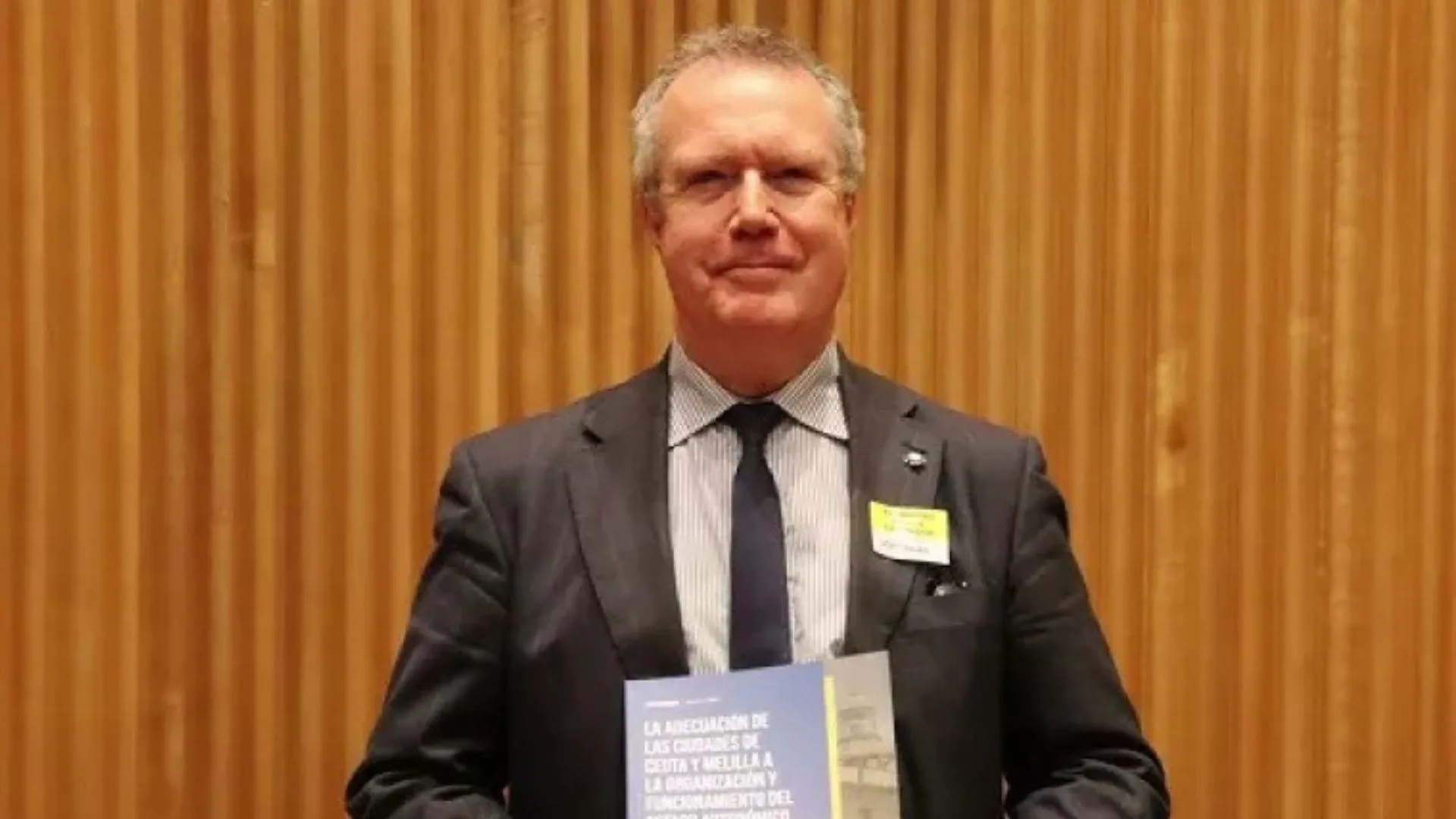
In a recent episode of 'La Linterna' on COPE, hosted by Ángel Expósito, the intricate dynamics surrounding Spain's relationship with Morocco and the United States, particularly concerning the autonomous cities of Ceuta and Melilla, were thoroughly examined. Expert Carlos Echeverría, a professor of international relations at UNED and director of the Ceuta and Melilla Observatory, provided critical insights into the potential risks facing these territories. According to Echeverría, the primary threat does not stem solely from Morocco's ambitions but rather from a growing neglect of these cities by the Spanish mainland. He candidly remarked, "the greatest risk is that we forget Ceuta and Melilla," highlighting their status as some of the most vulnerable parts of Spain. Echeverría emphasized the need for a sustained commitment from both the citizens and the state towards these regions, which often question whether NATO officially guarantees their protection.
The Growing Influence of Morocco and Its Implications
The increasing influence of Morocco is largely attributed to a strategic alliance with the United States and Israel, which Echeverría describes as "unstoppable." This partnership has been bolstered by recent announcements concerning the establishment of a drone training center in Morocco by the U.S. For Israel, having a compliant Arab nation like Morocco is seen as a significant advantage, while the U.S. values its long-standing ties with the Moroccan kingdom, as evidenced by a decade-long military cooperation agreement. In response to concerns that Morocco might supplant Spain as the primary ally of Washington in the region, Echeverría dismissed alarmist narratives, asserting the importance of U.S. military bases in Rota and Morón and noting that the U.S. is actively demonstrating its commitment to these installations.
Echeverría firmly stated, "If there is an ally of the United States, it is Spain," underscoring that the United States recognizes it cannot operate without Spain’s tactical support. However, he cautioned that Morocco exploits every opportunity to sow doubts about the Spanish-American relationship, a maneuver that tests the friendship between the two countries. He urged Spain to "play big," pointing out the many resources and connections it has at its disposal.
During the discussion, which also featured commentators Ignacio Camacho and Antonio San José, a concerning trend was raised regarding the shifting balance of military power. The military superiority that Spain had enjoyed two decades ago is now, at best, on par with Morocco's capabilities, which have been significantly enhanced through arms acquisitions from the United States and France. This rebalancing occurs against the backdrop of Spain voluntarily relinquishing its leverage in the Sahara, creating what has been described as a new strategic axis in the Mediterranean through the Abraham Accords, which include the U.S., Israel, Gulf countries, and Morocco, further solidifying Morocco’s position in the Sahel region.
Echeverría stressed the importance of distinguishing the status of the autonomous cities from other territories, asserting, "The Falklands are a non-autonomous territory. Ceuta, Melilla, the rock formations, Chafarinas, and Perejil are national territory." He argued that these regions must be fully integrated into all forms of action from both Spain and Europe, as they are also "community territory." This sentiment is echoed by other political figures, including Antonio Maillo, coordinator of Izquierda Unida, who recently expressed concerns about the political handling of Morocco, emphasizing the necessity for vigilance regarding Ceuta and Melilla. This anxiety is compounded by fears that any future conflict may not manifest militarily but could instead arise through "migratory pressure," as witnessed in past crises.
As reported by cope.es.