
New Developments in European-Maghreb Relations
Recent weeks have witnessed significant changes in the relationships between major European nations and the Maghreb countries of Morocco and Algeria, which historically have been marked by considerable tensions. Notably, high-profile visits have taken place, including French Prime Minister Sébastien Lecornu's comprehensive discussions in Morocco on July 15 and 16, followed by Algerian President Abdelmadjid Tebboune's visit to Germany on July 16 and 17, and his subsequent meeting with Spanish Prime Minister Pedro Sánchez on July 20. Simultaneously, critical decisions affecting energy supplies to Europe have been made, as both Maghreb nations hold vast potential for renewable energy resources, with Algeria also possessing significant oil and gas reserves. This situation has led to a competitive dynamic between the two countries regarding plans to transport gas from sub-Saharan Africa to Europe. However, the outcomes of recent European-Maghreb engagements have produced mixed results.
France has intensified its relationship with Morocco through Prime Minister Lecornu's visit to Rabat. Just two years prior, such a visit would have seemed unlikely due to strained relations between Paris and Rabat. In 2021, allegations surfaced regarding the surveillance of French President Emmanuel Macron and former Overseas Minister Lecornu, using Israeli spyware known as 'Pegasus,' with Morocco identified as the perpetrator. This incident severely strained bilateral ties, although Rabat denied any wrongdoing. A significant shift occurred in the fall of 2024 when Paris sided with Rabat in the conflict concerning Western Sahara, the last colony in Africa, occupied by a fellow African state. This endorsement of Morocco's sovereignty claims led to a rift with Algeria, which sees itself as the protector of Western Sahara and its right to self-determination recognized by the United Nations.
Morocco welcomed France's unexpected rapprochement in 2024, especially as it had previously persuaded the United States under Donald Trump to recognize its claims over Western Sahara in exchange for signing one of the Abraham Accords to normalize relations with Israel in 2020. With strong ties to both Washington and Paris, Morocco found itself in an advantageous diplomatic position. Conversely, France, having lost its traditional influence in the Sahel region—specifically in Mali, Burkina Faso, and Niger—sought to bolster its standing in West Africa alongside Morocco. Moroccan businesses, particularly those owned by the royal family, have been expanding vigorously in West Africa. Following the rapprochement, further development of ties between Paris and Rabat is anticipated, with Lecornu's visit accompanied by twelve ministers. Discussions focused on new French investments in Morocco and closer cooperation in the defense industry, along with preparations for a friendship treaty to be signed during King Mohammed VI's next visit to France.
Spain’s Dual Engagement with the Maghreb
Spain, in contrast to France, has adopted a different strategy in its relations with the Maghreb states. Historically, Madrid was more accommodating to Rabat's claims over Western Sahara, with Prime Minister Pedro Sánchez declaring in March 2022 that Morocco's autonomy plan for the area was the most serious and realistic attempt to resolve the conflict. Spain's motivations for this stance included Morocco's sporadic easing of border controls at the Spanish enclaves of Ceuta and Melilla, which allowed refugees to enter Spanish territory, placing Madrid under significant pressure. The Spanish government hoped that concessions regarding Western Sahara would enhance Morocco's reliability at these borders. Since then, cooperation between Spain and Morocco has strengthened, a trend Sánchez aims to continue.
However, this has not prevented Spain from simultaneously improving its relations with Algeria, which is surprising given the longstanding conflict over Western Sahara, which remains central to the tensions between Morocco and Algeria. Territorial claims over significant parts of Algeria are still asserted in Morocco, and the shared border, exceeding 1,500 kilometers, has been closed since 1994. Moreover, Algeria severed diplomatic ties with Rabat in 2021 over accusations that Morocco supported separatist movements in Kabylie, and there is no sign of improvement in relations. Nevertheless, President Tebboune was willing to meet Sánchez, who clarified his intention not to alter Spain's relations with Morocco. Sánchez was accompanied by leaders of powerful Spanish corporations, including Repsol, Enagás, Indra, and Airbus, to discuss extensive business opportunities. After suffering setbacks in Algeria due to a diplomatic fallout in 2022, the Spanish economy is once again eager to engage with the country.
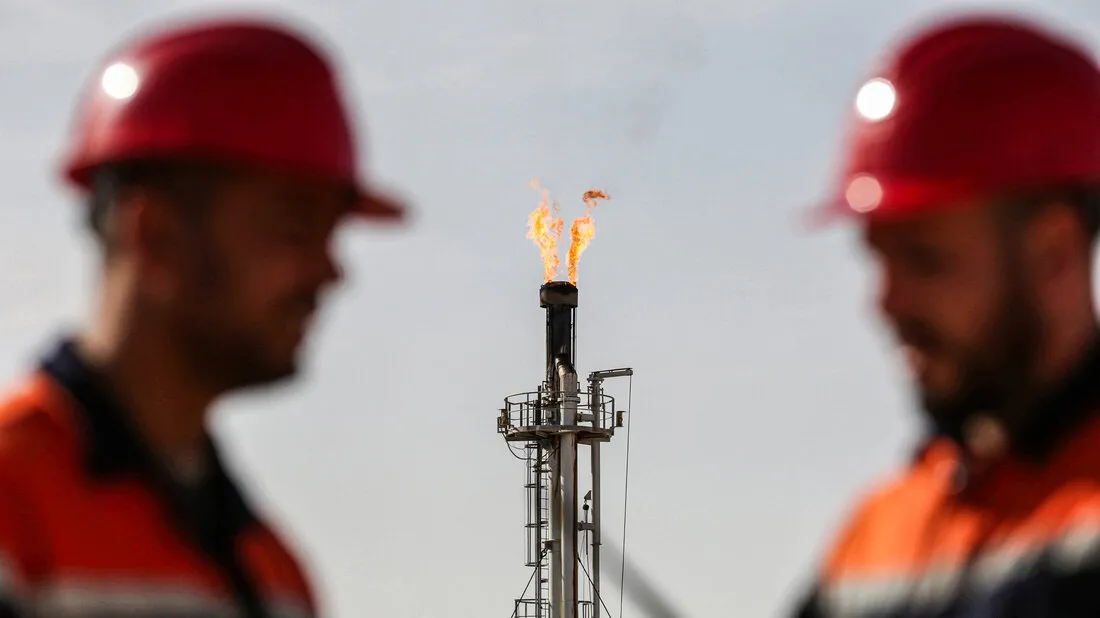
Algeria, for its part, is keen to intensify energy supplies to Europe, with the current geopolitical climate offering unprecedented opportunities. The closure of the Strait of Hormuz has underscored the urgency for European governments to secure alternative energy supplies in the wake of the self-imposed halt of gas deliveries from Russia, making them vulnerable should Middle Eastern liquefied natural gas (LNG), particularly from Qatar, also become unavailable. Algeria has already become Spain's largest gas supplier in the first quarter of 2026 and is working on expanding its energy deliveries to Europe through pipelines, including gas shipments to Italy. The country is actively advancing the Trans-Saharan Gas Pipeline (TSGP), which aims to transport gas from Nigeria through Niger to Algeria and further into Europe. This project competes with Morocco's initiative to construct a gas pipeline from Nigeria through West African coastal states to Morocco. While the latter plan has received official support from the Economic Community of West African States (ECOWAS) since July 19, it is significantly longer than the TSGP and runs through the politically sensitive territory of Western Sahara, requiring recognition of Morocco's sovereignty over the area. Algeria is also planning to supply hydrogen to Europe through the South H2 pipeline project, which aims to transport hydrogen from Algeria through Tunisia and Italy to Austria and Germany, further highlighting its expanding energy ambitions.
In conclusion, the evolving dynamics of European engagement with Morocco and Algeria demonstrate the complex interplay of geopolitical interests, energy security, and historical tensions. As both nations vie for influence and economic partnerships, the outcomes of these diplomatic maneuvers will have lasting implications for the region and beyond.
As reported by jungewelt.de.


