Sharjah Archaeology Authority Showcases Heritage Protection Expertise in Rabat
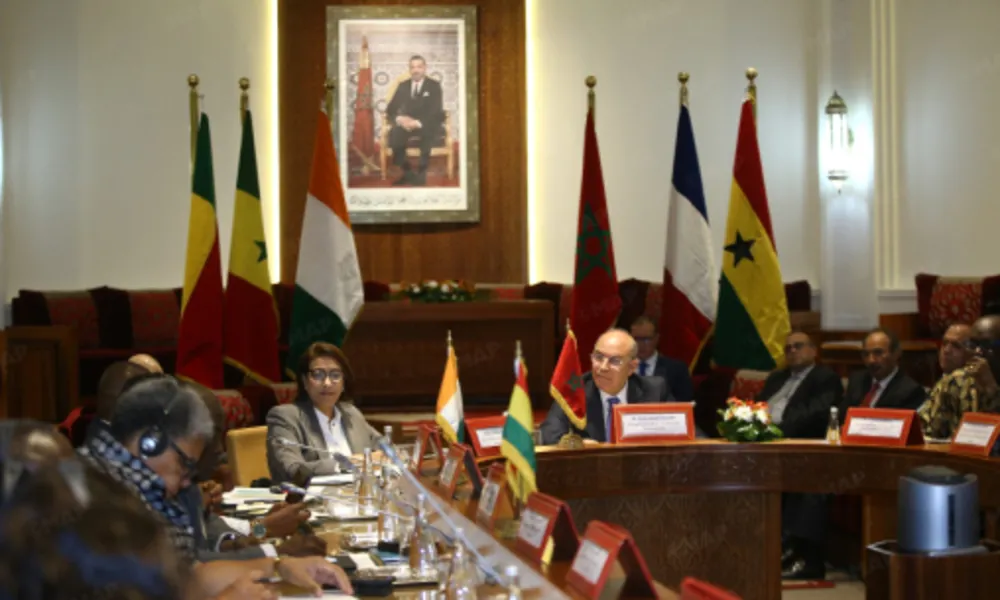
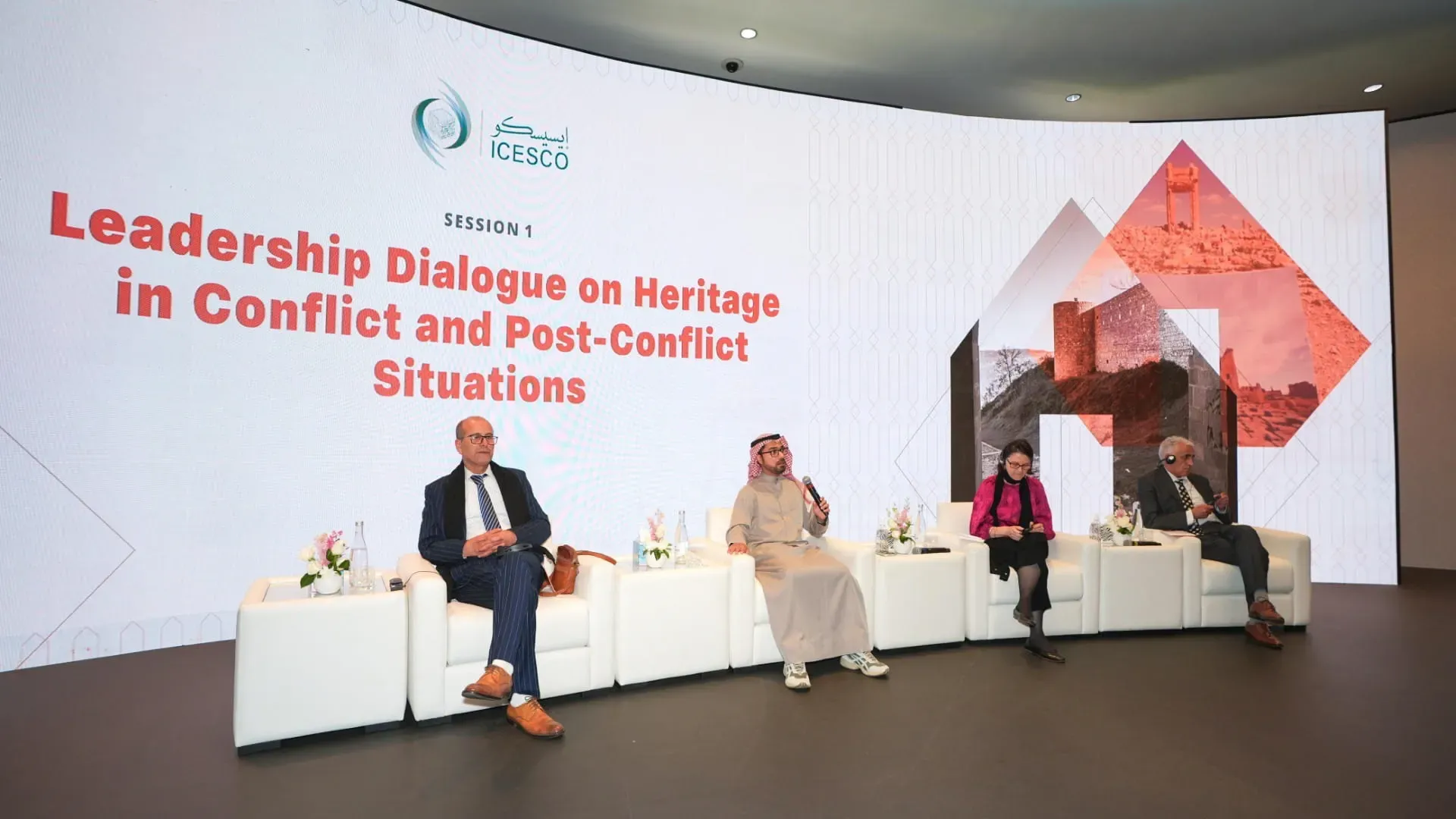
The International Conference on Heritage Management in the Islamic World, currently being held in Rabat, Morocco, has highlighted the significant contributions of the Sharjah Archaeology Authority (SAA). Organized by the Islamic World Educational, Scientific and Cultural Organisation (ICESCO), this prestigious event serves as a platform for experts and officials to discuss critical issues related to cultural heritage preservation. During the conference, the SAA presented its innovative risk management and business continuity framework, which has been meticulously designed to protect cultural heritage sites, historical areas, and archaeological assets.
Insights from the Conference
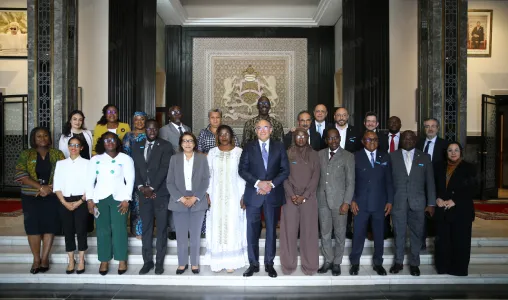
This conference has attracted a diverse array of participants, including notable figures such as Her Royal Highness Princess Dana Firas, Vice President of the International Council on Monuments and Sites, and His Excellency Dr. Salem Bin Mohammed Al Malik, Director General of ICESCO. The event was further enriched by the presence of ministers, senior officials, and specialists from various international and regional organizations, all of whom gathered to share knowledge and strategies for effective heritage management.
The SAA's presentation provided an in-depth look at its operational framework, emphasizing the importance of scenario-based planning, business impact analysis, and risk assessment. These strategic elements are crucial in anticipating challenges, thereby enhancing the authority's preparedness to respond effectively to both routine pressures and large-scale emergencies. D. Saeed Abdullah bin Yarouf, Director of the SAA, expressed the authority's commitment to sharing its expertise in heritage protection with global peers, citing a recent weather event as a practical example of their framework's efficacy. "We operate based on proactive, forward-looking planning," he stated, reinforcing the need for integrated operational plans that ensure the continuity of cultural heritage protection under all circumstances.
The collaboration between the SAA and the National Emergency, Crisis and Disasters Management Authority, as well as the Sharjah Police General Command, was also highlighted during the presentation. This partnership exemplifies the emirate's comprehensive approach to emergency planning, ensuring that the SAA operates within a coordinated framework during crises.
In concluding its presentation, the SAA outlined various operational plans that address different levels of crisis severity. These plans include measures for safeguarding archaeological assets, securing heritage sites, activating field response teams, and implementing disaster recovery strategies. Such comprehensive preparations are designed to minimize downtime and restore normal operations swiftly, demonstrating the authority's dedication to maintaining the integrity of Sharjah's rich cultural heritage.
Overall, the SAA's participation in the Rabat conference underscores Sharjah's advanced approach to heritage protection, characterized by preparedness, institutional resilience, and collaborative strategy. This involvement not only enhances Sharjah's credibility as an influential voice in the global dialogue on cultural heritage management but also sets a benchmark for others to follow.
As reported by sharjah24.ae.