
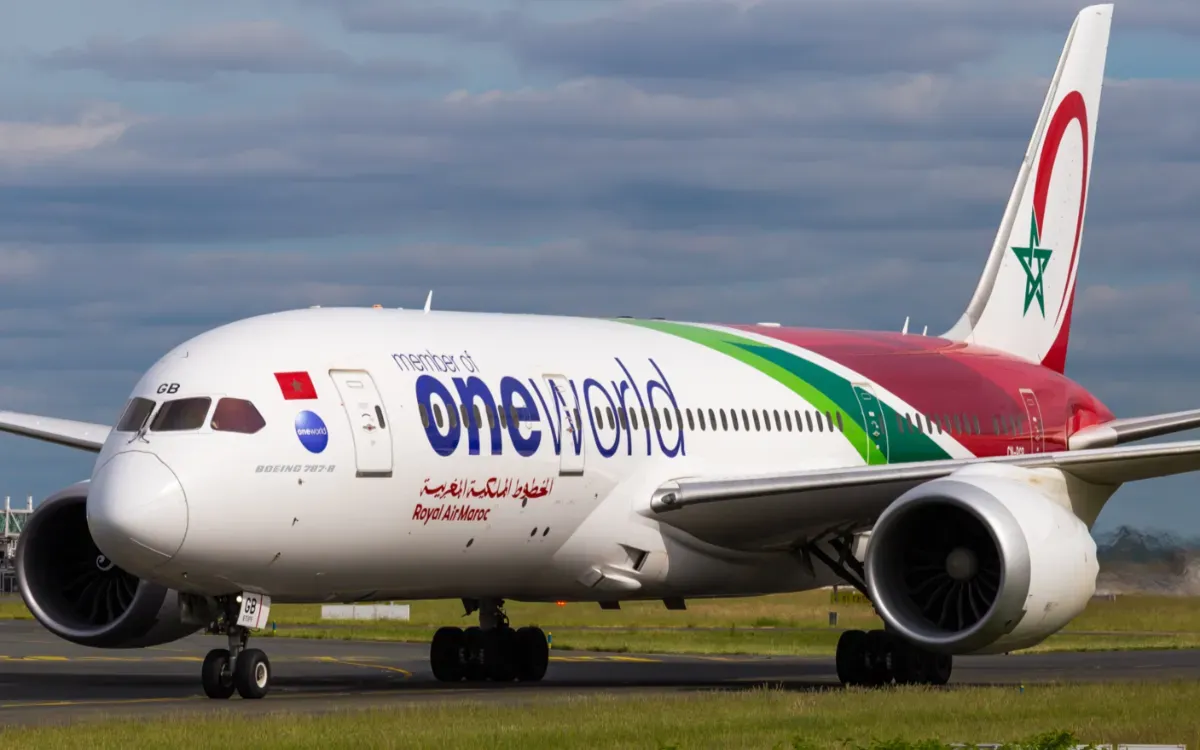
Royal Air Maroc Faces Tough Decisions Amid Soaring Fuel Costs
On April 24, 2026, Royal Air Maroc (RAM) announced plans to reduce several of its flight routes due to the dramatic increase in aviation fuel prices, which have surged as a consequence of escalating tensions in the Middle East. This strategic move primarily targets less profitable routes and poses a significant threat to the national tourism sector. With the airline grappling with what it describes as an "unsustainable" rate hike for global transport, the upcoming cuts are seen as a necessary measure to maintain operational viability.
According to information obtained by Hespress, the initial focus of these cuts will be on structurally weak routes, including recently initiated or upcoming flights that have struggled to attain profitability. While a definitive list of affected flights has yet to be finalized, RAM has already suspended its services to Dubai and Doha due to the ongoing conflicts in the region. A source close to the situation has hinted that "other routes may also be closed" as part of this conservation plan, highlighting a precarious future for travel to and from Morocco.
Impact of Middle Eastern Conflicts on Global Aviation
The crisis precipitated by the blockade of the Strait of Hormuz, a crucial chokepoint for global oil supplies, has exacerbated the aviation sector's woes. The ongoing conflict involving the United States, Israel, and Iran has caused a staggering increase in fuel costs, which have more than doubled. As of early April, the price of aviation fuel soared to an unprecedented $1,838 per ton in Europe, a significant leap from the pre-war price of $831. This dramatic rise severely impacts the financial stability of airlines, particularly those operating long-haul flights that are heavily fuel-dependent.
Fatih Birol, the Executive Director of the International Energy Agency, has characterized the situation as "extremely grave," expressing concerns over a potential wave of flight cancellations in the near future. Reports indicate that Europe is left with merely six weeks' worth of aviation fuel reserves, prompting various international carriers to contemplate suspending their services to Morocco. Such developments pose a dire risk to the entire Moroccan tourism industry, which heavily relies on air travel to bring in visitors.
As reported by bladi.net.


