Resurgence of a Decade-Old Dream
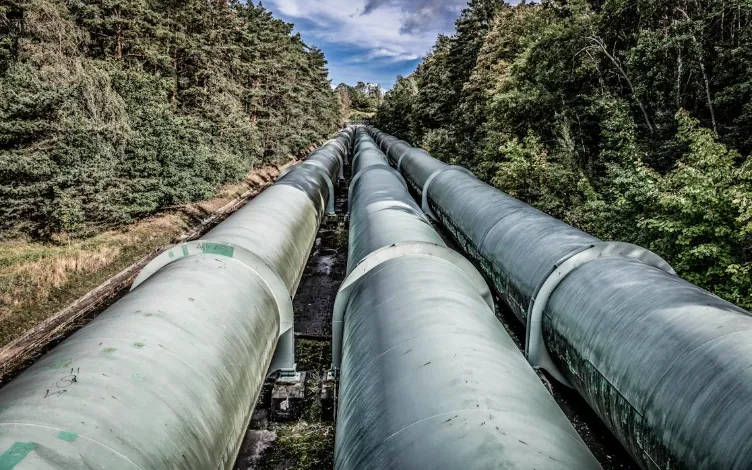
The Nigeria-Morocco gas pipeline project, an ambitious undertaking stretching over 6,900 kilometers, is experiencing a renewed sense of purpose thanks to significant offshore gas discoveries off the coast of Senegal and Mauritania. Originally deemed impractical when proposed by Morocco in 2016, this initiative is now gaining traction, with Senegal positioned as a central player in its development. According to a Bloomberg report released on April 30, 2026, a Moroccan public company has announced plans to seek funding for this $25 billion endeavor, suggesting that the first gas deliveries from Senegal could materialize as early as 2031.
The Geopolitical Context and Challenges Ahead
The project is not only an engineering feat but also a crucial strategic initiative in light of the ongoing geopolitical tensions, particularly the war in Iran, which has prompted Europe to seek alternative energy supplies outside the Middle East. Bloomberg notes that the timing of the pipeline's revival is significant, as it aligns with Europe's desperate need for new energy sources. The pipeline aims to achieve a total capacity of 30 billion cubic meters, although substantial investments are required to develop Nigeria's gas fields to meet this target. Notably, the Senegalese gas reserves are expected to play a crucial role, with estimates suggesting that the first gas could be sourced from Senegal by 2031, as indicated by the Moroccan National Office of Hydrocarbons and Mines.
However, the project faces potential hurdles stemming from diplomatic tensions between Senegal and Morocco, exacerbated by recent conflicts over football. This has led to questions regarding Senegal's enthusiasm for the project, especially given the complex geopolitical landscape that includes Algeria's competing gas pipeline proposal through the Sahara. Despite these challenges, a dozen countries have already signed on to the project, with additional nations expected to join later this year to form a consortium that will oversee financing and development. In conclusion, while obstacles remain, the recent gas discoveries off Senegal’s coast could propel this project from a long-held dream to a tangible reality, providing Senegal an opportunity to monetize its newly found gas resources and play a pivotal role in enhancing energy security across Africa and Europe.
As reported by seneplus.com.