Morocco's Cultural Loss: The Legacy of Abdelwahab Doukkali
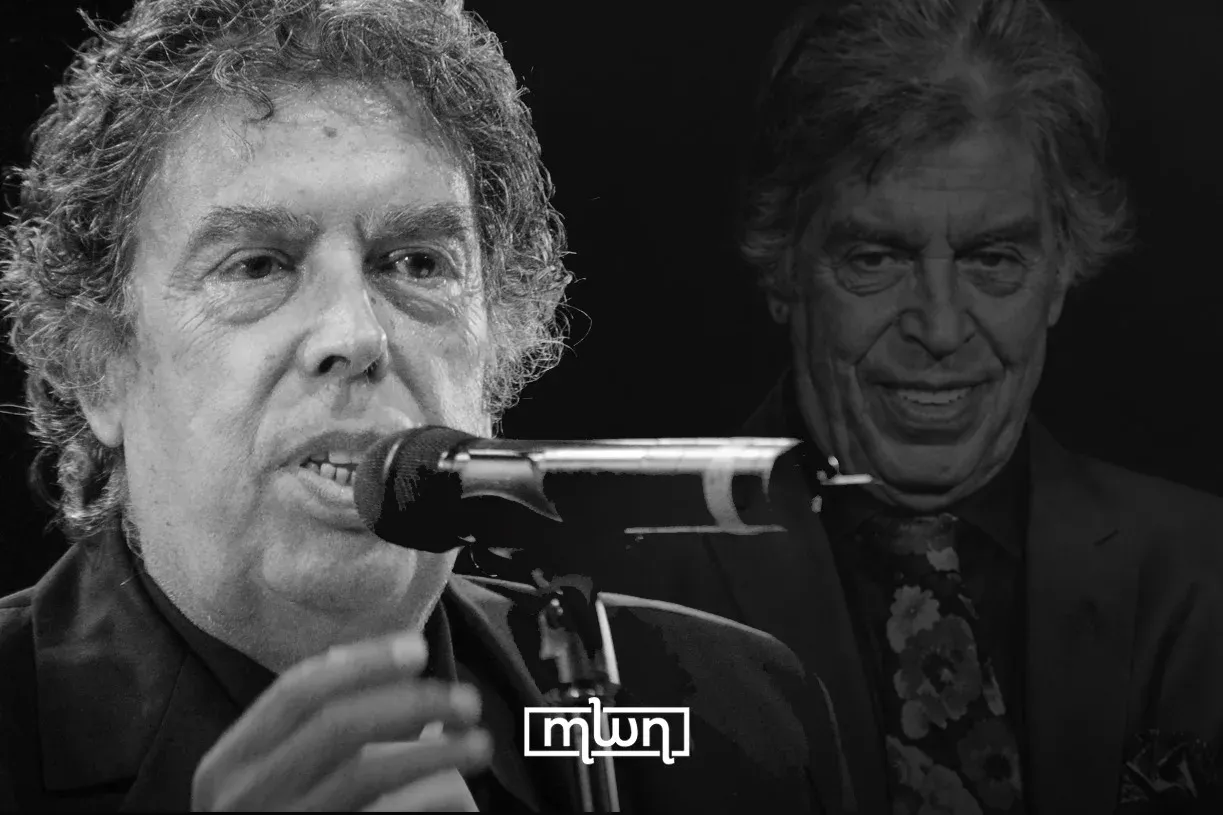
Morocco is enveloped in sorrow following the passing of Abdelwahab Doukkali, a seminal figure in the realm of music, composition, acting, and visual arts. For over sixty years, Doukkali's unique voice and artistic expression have profoundly influenced the landscape of modern Moroccan music. He breathed his last on May 8, 2026, in Casablanca at the age of 85, as confirmed by both his family and the Ministry of Youth, Culture, and Communication, which hailed him as a cornerstone of Moroccan song. His timeless works, including “Kan Ya Ma Kan” (Once Upon a Time), “Marsoul El Hob” (The Messenger of Love), and “Souk El Bacharia” (The Market of Humanity), are now part of a cherished national repertoire that resonates across generations.
The void left by Doukkali marks a significant loss for a nation that has long turned to his songs to explore themes of love, yearning, dignity, exile, and reminiscence. Born on January 2, 1941, in the culturally rich city of Fez, Doukkali grew up in a large and traditional family. The vibrant atmosphere of Fez, steeped in Andalusian musical heritage, and the bustling life of the medina laid the groundwork for his artistic journey, igniting a passion within him that would defy the constraints of tradition.
Doukkali's narrative is that of a restless spirit who, despite the weight of familial expectations, chose to express himself through various artistic mediums. At just 18, he moved to Rabat to briefly work in Moroccan radio and television, yet his true calling lay in live performance, which drew him to the artistic epicenter of Casablanca. It was during this period that he emerged as a transformative figure in Moroccan music, navigating the complexities of post-independence identity and using various platforms, such as radio and theater, to redefine how Moroccans engaged with their culture.
Artistic Innovations: Doukkali’s Impact on Moroccan Music
Doukkali did not simply occupy the role of a traditional singer; he redefined it. His theatricality, emotional expression, and unique stage presence set him apart from his contemporaries, allowing him to inhabit his songs fully rather than merely performing them. His early hits, such as “Ya Lghadi Ftoumobil” (You, Going in the Car), “Habibati” (My Lover), and “La Tatroukini” (Don't Leave Me), established him as a significant artist, known for his elegance and modern flair. Through his music, Doukkali propelled the singer’s role from mere interpreter to a fully realized artistic identity, creating a profound connection with his audience.
In 1962, Doukkali ventured to Cairo, a city renowned for its cultural significance in the Arab world. This move was a pivotal chapter in his career, exposing him to the grandeur of Arab orchestral music and demanding audiences. He returned to Morocco enriched by this experience, having assimilated the intricacies of Egyptian music while infusing his work with Moroccan sensibilities. This blend of local intimacy with pan-Arab sophistication became a hallmark of his music, exemplified by his iconic song “Marsoul El Hob,” which transcended simple romantic notions to explore the multifaceted nature of love, encompassing devotion, distance, and unspoken communication.
Doukkali's extensive catalog also includes notable works such as “Ma Ana Illa Bashar” (I Am Only Human), which presents vulnerability with grand musicality, and “Montparnasse,” a reflection on travel and exile that resonated deeply with the experiences of many. His contributions extended beyond music; he was also involved in film and visual arts, leaving an indelible mark on Moroccan cinema and culture. His life was a testament to the power of art to encapsulate human experience, bridging the divides between different mediums and expressing the complexities of Moroccan identity.
As the Moroccan cultural landscape shifts in the wake of his passing, it becomes imperative to honor Doukkali's legacy not merely through nostalgia but by recognizing the depth and richness of Moroccan art. His ability to articulate the emotional fabric of Moroccan life—through both Moroccan Arabic and literary Arabic—ensured that his music resonated with local audiences while reaching broader Arab audiences. His songs became the soundtrack to significant moments in people’s lives, weaving through weddings, family gatherings, and memories of home, thereby cementing his status as a cultural cornerstone.
Though Abdelwahab Doukkali has departed, the echoes of his voice and the messages within his songs remain alive, embodying the spirit of Moroccan heritage. His music serves as a reminder of the artistic richness that Morocco has to offer and the enduring impact one artist can have on the collective memory of a nation. In cafes throughout Fez, homes across Casablanca, and the hearts of Moroccans worldwide, Doukkali's songs will continue to resonate, transforming feelings into heritage and ensuring that his legacy endures for generations to come.
As reported by moroccoworldnews.com.