Urban Renewal or Unjust Demolitions?
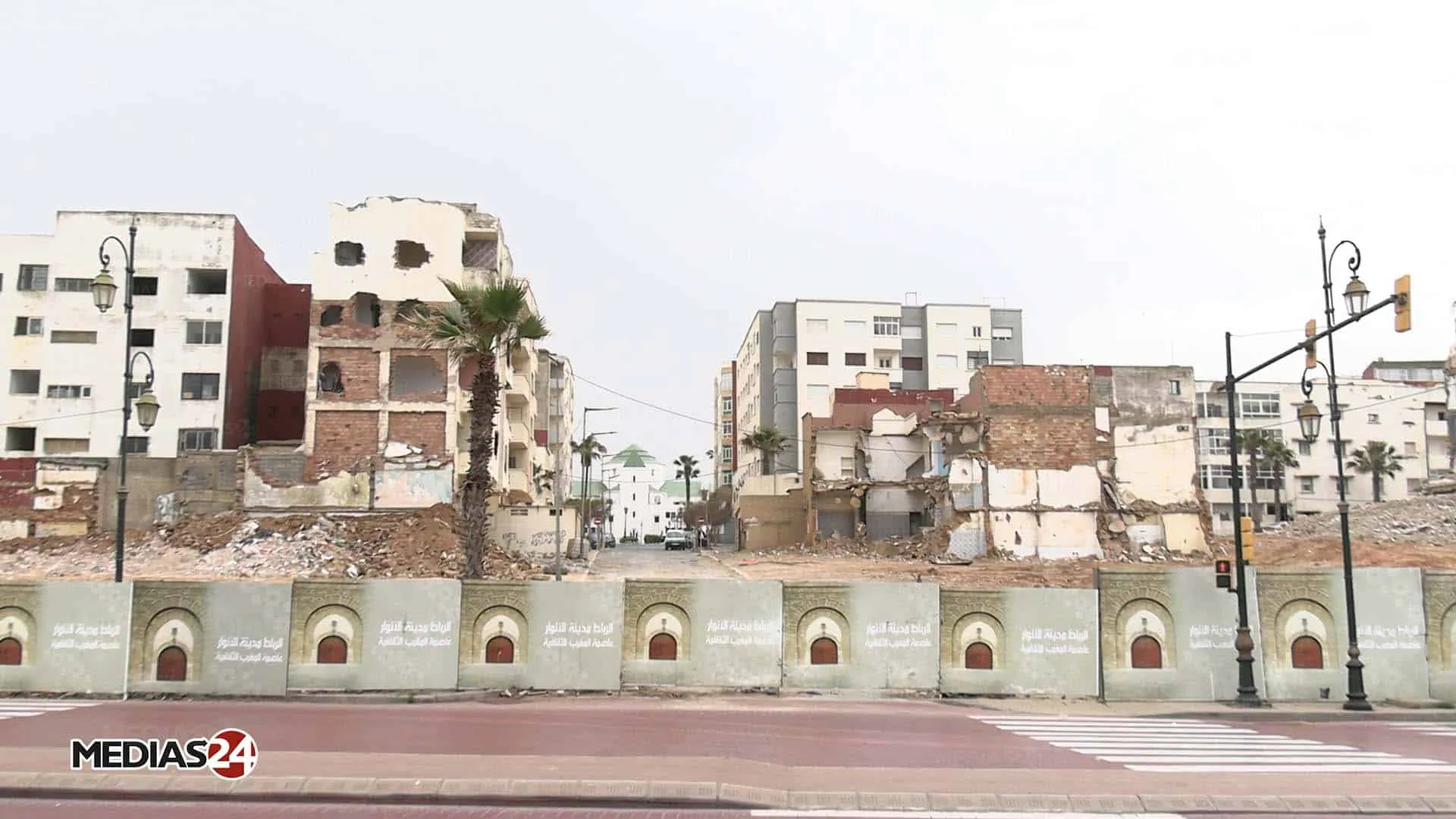
The ongoing demolition operations in the Ocean District of Rabat have ignited a heated political debate among municipal leaders. While a member of the city council's majority views these actions as a necessary step towards urban modernization, several opposition councilors from the FGD party criticize what they perceive as irregular practices and a significant lack of transparency in the process.
As highlighted by a councilor from the RNI party, the demolitions are part of a broader urban transformation strategy aimed at elevating Rabat's status to that of a major international metropolis, particularly in preparation for the upcoming 2030 FIFA World Cup. This official maintains that these interventions are in line with a recently adopted urban planning strategy, designed to modernize infrastructures and enhance the overall attractiveness of the capital city. The former president of the Hassan district further supports this initiative, arguing that it is not merely about individual demolitions but rather a comprehensive project aimed at restructuring urban fabric and improving public spaces, ultimately leading to economic revitalization.
Concerns Over Transparency and Fairness
In stark contrast, opposition leaders express deep concerns regarding the legitimacy of these demolitions. They argue that the operations lack sufficient guarantees for the residents affected. FGD councilor Farouk Mehdaoui questions how families who have lived in the district for decades can be compelled to relocate to distant areas like Skhirat, which is up to 40 kilometers away. He emphasizes the uncertainty surrounding the promised housing solutions and the future of the land freed up by these demolitions. Furthermore, Mehdaoui claims that the official narrative justifying the demolitions under urban planning has not received the necessary approval from council members and suggests that the project's true purpose may be primarily commercial.
Echoing these sentiments, fellow FGD councilor Omar Hayani has raised alarms about the lack of information concerning future projects and the opacity surrounding the involved investors. He highlights that many affected property owners have not undergone expropriation procedures and questions the legality of transferring property rights to private developers. Hayani also notes that for those who have sold their properties under duress, compensation has often been inadequate, particularly for those still burdened by mortgage payments on recently purchased homes.
The situation has led to accusations that the municipality is exerting pressure on reluctant homeowners. As soon as one property owner sells their home, the municipality allegedly demolishes the building's facade, despite this being deemed illegal as it constitutes common property. This controversy underscores a significant divide in perspectives regarding the balance between urban modernization and social justice.
In conclusion, the demolitions in Rabat's Ocean District encapsulate one of the most pressing urban and political issues facing the capital today, as local leaders grapple with the competing demands of progress and equity.
As reported by medias24.com.