Polisario's Political Offensive and UN Negotiations
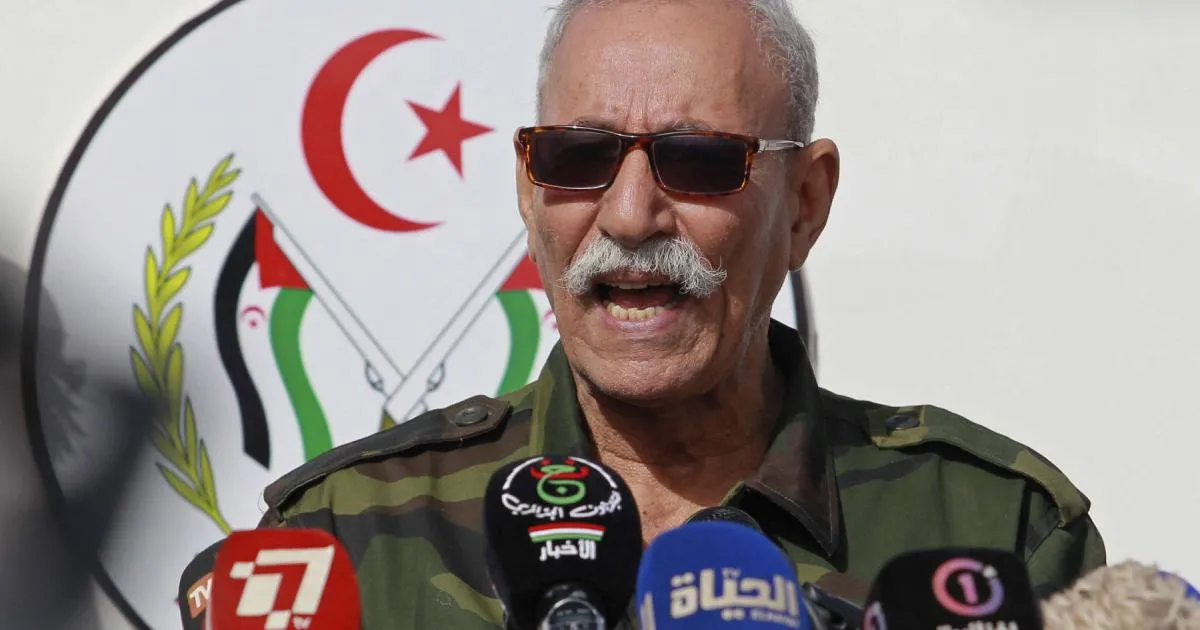
The leader of the Polisario Front, Brahim Ghali, has initiated a renewed political and media campaign targeting Spain's conservative factions. This move coincides with the United Nations' intensified efforts to revitalize negotiations concerning the long-standing Sahara dispute, while Morocco continues to bolster its international backing for an autonomy proposal. Ghali's latest actions are particularly noteworthy as they reflect a strategic alignment with Spain’s conservative media, specifically through an interview with the conservative newspaper ABC, where he voiced concerns regarding what he termed "Moroccan expansionism." He warned that Spain's sovereignty over the cities of Ceuta and Melilla could potentially be threatened if the Sahara issue is resolved in favor of Morocco.
In his statements, Ghali claimed, "Moroccan expansionist ambitions appear to know no limits. Morocco's neighboring countries, including Mauritania, Algeria, Western Sahara, and Spain, have all encountered the repercussions of this policy." His rhetoric echoes sentiments often expressed by the far-right Vox party and other conservative elements in Spain, who harbor reservations about Morocco's increasing influence in the region. The timing of Ghali's interview has sparked interest among political analysts, particularly as Spain’s political landscape seems to be shifting towards a more consolidated right-wing coalition, with Vox already collaborating with the Popular Party in various regional governments. Meanwhile, Spanish Prime Minister Pedro Sanchez's Socialist government is grappling with internal scandals and declining public approval, further complicating the political scenario.
Polisario's Diplomatic Maneuvers and International Strategy
Observers interpret Ghali's intervention as part of a broader strategy by the Polisario Front to garner support within Spanish political circles during a period marked by increasing diplomatic hurdles. This tactic is not novel; in fact, Ghali employed a similar approach during a 2022 interview with Spanish broadcaster Telecinco, and the Polisario Front has consistently raised issues concerning Ceuta and Melilla in its communications aimed at Spanish audiences. This latest outreach effort aligns with Polisario's attempts to internationalize its grievances through the United Nations. Recently, the movement dispatched a letter to the president of the UN Security Council, accusing Morocco of targeting civilians in buffer zones located east of the Moroccan defense wall—claims that Morocco has consistently denied.
However, the dual messaging directed at both the UN and Spain’s right-wing factions reveals inherent contradictions in the Polisario’s stance. Since announcing the breakdown of the 1991 ceasefire in late 2020 and expressing a return to armed conflict, the movement faces challenges in advocating for military escalation while simultaneously attempting to dissociate itself from the humanitarian fallout that such a strategy entails. As these developments unfold, UN envoy Staffan de Mistura continues his consultations in Algiers, striving to revive a political process that has been stagnant for years. Algerian officials have reinforced their commitment to achieving a political resolution in accordance with UN resolutions and the organization’s charter. Nevertheless, the diplomatic winds have increasingly shifted in Morocco's favor, as an expanding number of countries have endorsed Rabat's autonomy initiative as the most viable solution to this protracted conflict. This evolving international landscape likely explains the Polisario's renewed efforts to sway public opinion in Spain, a nation with historical and political ties to the ongoing issue.
As reported by middle-east-online.com.