
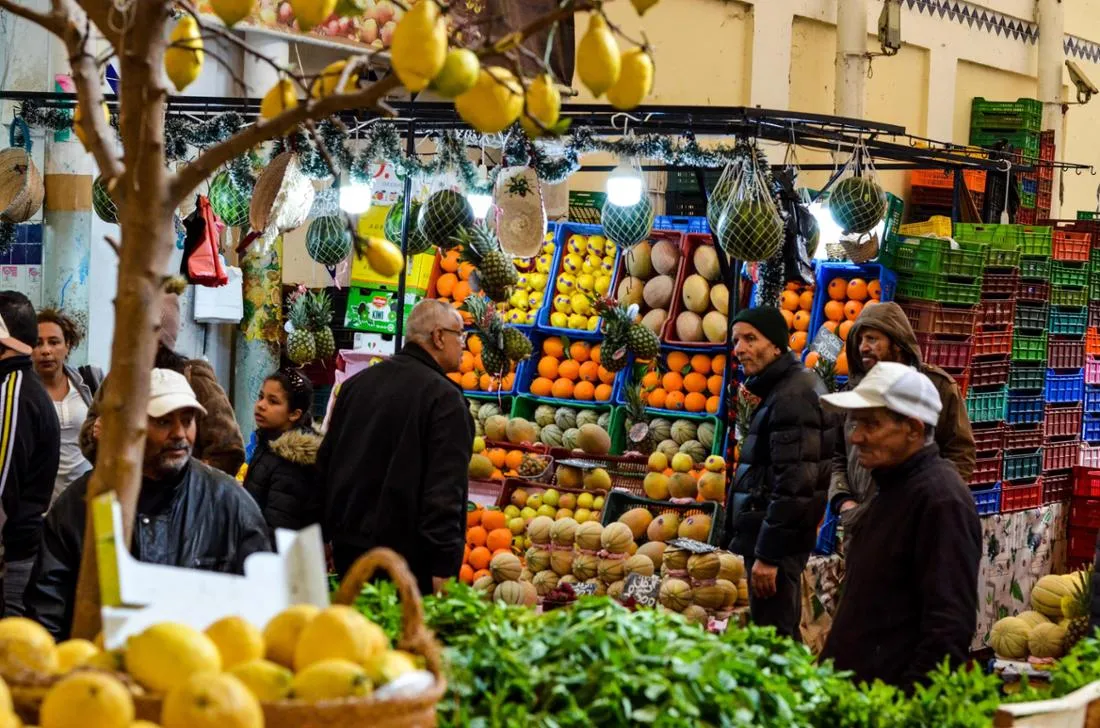
The Vulnerability of North Africa's Food Supply
North Africa's heavy reliance on food imports, exceeding 70 percent of its staple food needs, has rendered the region extraordinarily vulnerable to global crises. This dependency is largely the result of decades of agricultural policies that prioritize export-oriented practices over local food production, leaving countries like Tunisia, Algeria, and Morocco at the mercy of international markets. Khaled, a food store owner in the heart of Tunisia's capital, expresses the acute pressures he faces as prices soar almost overnight due to geopolitical tensions, such as the recent conflict involving Iran. His shop, which primarily stocks imported goods such as spices, nuts, yogurt, and chocolate, has seen prices increase dramatically, making it increasingly difficult for his customers to afford even basic necessities.
The economic landscape of North Africa has been shaped by its focus on cash crops for export markets, particularly citrus fruits and olives, which dominate agricultural land usage. This shift has meant that fertile land, which could be utilized to feed local populations, is instead dedicated to producing goods primarily for foreign consumption. Consequently, countries like Morocco, Algeria, Tunisia, and Libya find themselves importing a significant proportion of their food, with over 70 percent of staples such as grains sourced from abroad.
The Impact of Global Crisis on Local Economies
While Algeria and Libya benefit from high oil and gas prices, which allow them to finance their economies predominantly through the export of these resources, they too face challenges. With Algeria producing just over 20 percent of its wheat needs and Libya barely 10 percent, their food prices remain sensitive to global market fluctuations. The repercussions of this economic structure have been acutely felt in recent years, with inflation rates spiking due to various crises, including the COVID-19 pandemic and the ongoing conflict in Ukraine, which has contributed to a staggering 20 percent increase in food prices in Tunisia alone from 2021 to 2023.
As the conflict with Iran escalates, prices continue to rise, exacerbating inflationary pressures on middle and lower-income households. Max Ajl, an economist at the Mecam Institute in Tunis, highlights that the inflationary spiral has led to a reduction in purchasing power, with families now purchasing only half of what they previously bought. This situation is forcing store owners like Khaled to reconsider their business practices, as they grapple with a market where customers can no longer afford to spend as they once did.
The economic strain predates the current conflict, with high inflation rates already pushing households to spend an average of 40 percent of their income on food. Ajl points out that the link between local prices and the global market means that any inflation abroad directly impacts Tunisia's import costs, leaving little room for self-sufficiency or local production alternatives.
Looking ahead, the agricultural sector is likely to face further challenges, especially with potential shortages of fertilizers, as the region relies heavily on imports from Gulf nations. The production of fertilizers in Morocco and Tunisia, which utilize phosphate, is dependent on sulfur and ammonia sourced through the Strait of Hormuz. Delays or increased costs in securing these inputs could further strain local economies, as agricultural exports are a vital source of foreign currency.
Consequently, the Tunisian government has begun to restrict imports to mitigate budgetary pressures, as rising global prices strain public finances. Yet, whether these measures can sufficiently address the fiscal shortfalls remains uncertain, particularly given Tunisia's significant debt burden and low credit ratings from international agencies that complicate reform efforts.
To address these systemic issues, both Ajl and fellow journalist Soumaya Maamri advocate for comprehensive agricultural reforms aimed at achieving food sovereignty, which would enable Tunisia to prioritize domestic food production. This includes restructuring farming practices to ensure self-sufficiency in staple crops and empowering local farmers through cooperative organizations that can provide necessary resources and marketing capabilities.
If the ongoing war leads to an increase in food imports, it is likely that local agriculture will suffer, exacerbating existing monopolistic tendencies within the food sector and further driving up prices. Farmers, who already face pressure from reduced producer prices, may find themselves unable to share in the profits while shouldering the losses. The urgent need for a shift towards a more sustainable and self-reliant agricultural framework has never been clearer as North Africa navigates these turbulent times.
As reported by fr.de.


