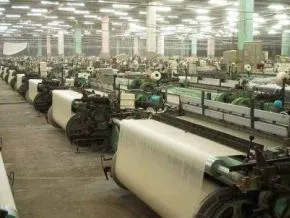
Strategic Partnership to Boost Moroccan Textile Exports
Morocco's textile sector is setting its sights on North America as a significant avenue for growth, marking a pivotal shift in its export strategy. On May 5, a strategic partnership was forged between Tactical Tactics, a business development agency, and the Textile and Apparel Technical Center (CTTH) in Casablanca. This collaboration aims to empower Moroccan manufacturers to transcend the conventional Cut, Make, Trim (CMT) subcontracting model, facilitating the development of a robust finished-products business catering to buyers in the United States and Canada.
The agreement leverages the technical acumen of CTTH along with the extensive commercial network of Tactical Tactics across North America. CTTH, recognized as Morocco's principal technical hub for the textile and apparel sector, is dedicated to assisting firms with crucial aspects such as research and development, quality assurance, certification, and training. The overarching objective is to ensure that Moroccan exporters not only meet international standards but also enhance their competitive edge in the global market.
Tactical Tactics, established in 2023, is poised to play a vital role in connecting Moroccan manufacturers with potential buyers and distributors in North America. Operating under a Delivered Duty Paid (DDP) model, the agency collaborates with a network of local industrial suppliers and brokers, ensuring a streamlined approach to market entry. This partnership is reflective of Morocco's broader strategy to capture greater value from its textile exports, moving away from being merely a subcontracting platform.
Challenges and Opportunities in the Textile Market
As articulated by Tactical Tactics CEO, Dikra Aït Nacere, "Morocco is no longer just a fabric country. Morocco is a finished-product country — designed, sourced, made, certified, ready to ship." This sentiment underscores the ambition to elevate Morocco's status in the global textile industry, especially given that the United States is the world's largest importer of clothing and apparel. In 2024, U.S. imports in this sector totaled approximately $83.7 billion, with Canada contributing nearly $11 billion, placing it among the top 15 buyers globally.
However, Moroccan manufacturers are entering a fiercely competitive landscape, contending with established textile exporters from countries such as China, Vietnam, Bangladesh, India, and Indonesia. Furthermore, the industry must navigate increasingly stringent Western requirements regarding product quality, traceability, and environmental standards. Despite these challenges, Morocco's textile and leather industry generated around $3.9 billion in export revenue in 2024, highlighting its significance as one of the largest employment sectors in the country, accounting for 23.7% of industrial jobs.
Nevertheless, the sector experienced a downturn last year, with the latest industrial performance report from Morocco's Ministry of Industry and Trade indicating a 2.4% decline in added value, making textiles and leather the only industrial sector to suffer a setback. In light of this, Moroccan manufacturers are keenly focused on higher-value production as a critical pathway to rejuvenating growth and enhancing their export competitiveness. The journey ahead is undoubtedly challenging, but with strategic partnerships and a commitment to innovation, Morocco's textile industry is poised for a transformative future.
As reported by ecofinagency.com.