Recent Political Setbacks for Morocco
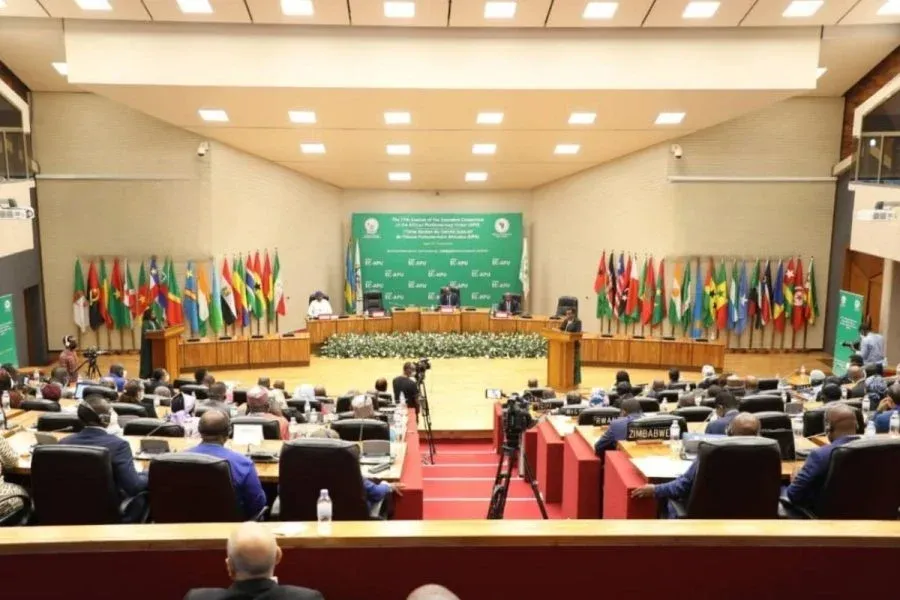
In a significant political event held in Midrand, South Africa, from April 28 to 30, 2026, Morocco faced a series of disappointing outcomes that have severely impacted its credibility on the African continent. This extraordinary session, which was expected to bolster Morocco's standing, instead became a revealing moment for the nation, showcasing the contradictions in its foreign policy, particularly regarding the contentious issue of Western Sahara.
During this session, Morocco not only lost the presidency of the Pan-African Parliament to Algeria, represented by Dr. Fateh Boutebig, but also suffered another major setback. Following its defeat in the presidential elections, Morocco put forth a candidate for the position of the parliamentary body's rapporteur. This move was particularly controversial given Morocco's longstanding stance on its sovereignty over Western Sahara and its refusal to recognize the Sahrawi Arab Democratic Republic (SADR). Despite this, Morocco found itself competing against a Sahrawi candidate for the rapporteur position, a situation that further complicated its claims of sovereignty.
Implications of the Parliamentary Elections
The implications of these elections were profound, as Morocco's candidacy implicitly acknowledged the legitimacy of the SADR, undermining its own narrative and credibility within the African Union. In a surprising turn of events, the Moroccan candidate lost to the Sahrawi representative by a significant margin of 17 votes to 12. This defeat was not an isolated incident; Morocco also fell short in various other electoral contests during the session, including the election for the regional bureau president, which Tunisia won, and the vice-presidency secured by Mauritania. Such outcomes underscore a troubling trend for Morocco, which has consistently celebrated any international support for its autonomy plan in Western Sahara as a validation of its sovereignty, while simultaneously engaging with the SADR, which it claims to oppose.
The Moroccan delegation's efforts to secure the rapporteur position, despite its ideological stance, reflect a growing disconnect between its proclaimed principles and its actions on the international stage. This paradox highlights the complex realities of Moroccan foreign policy and its entanglements in a broader regional context, where the lines between ally and adversary are increasingly blurred.
As reported by lalgerieaujourdhui.dz.