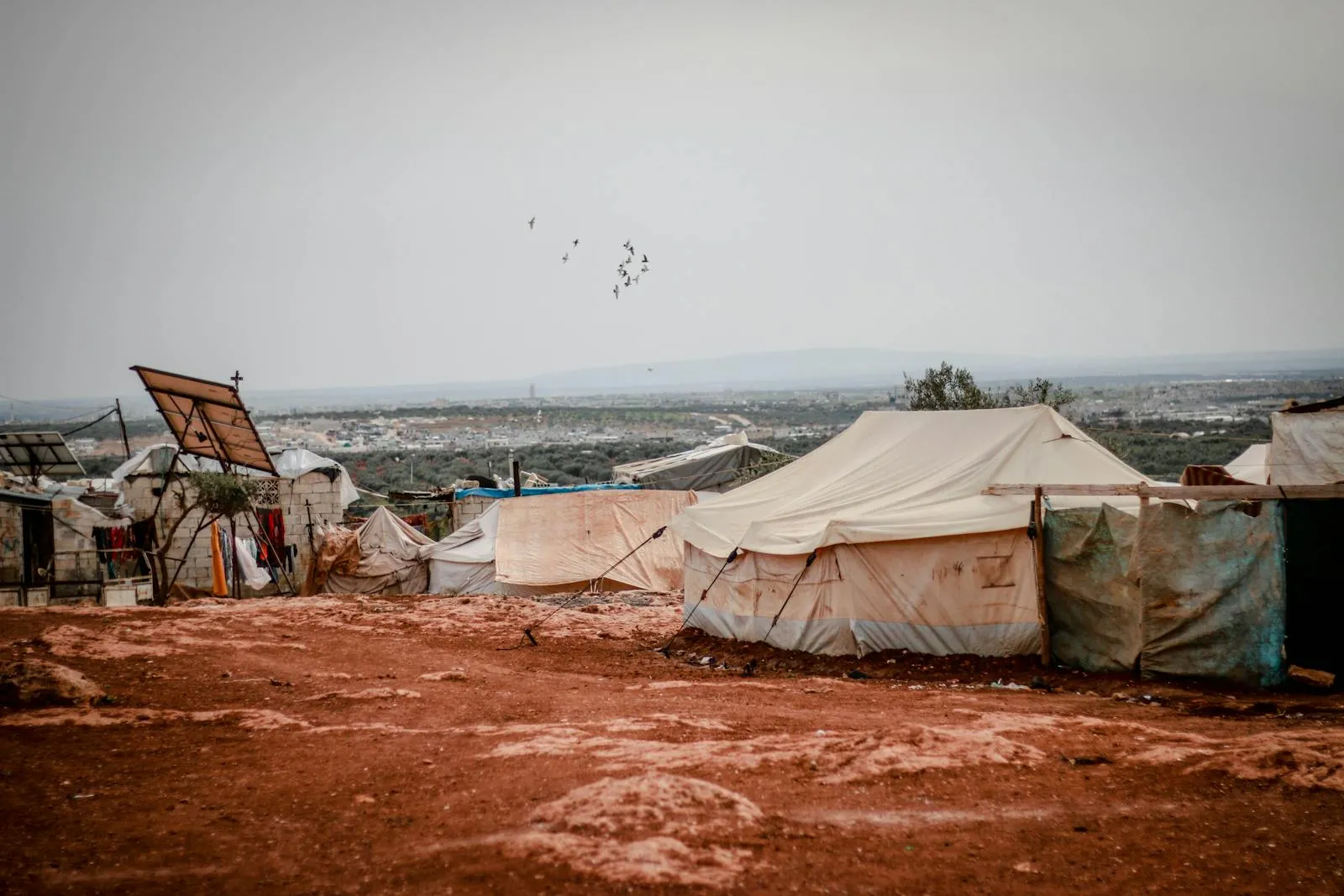
Morocco has reluctantly emerged as a final destination for Sudanese refugees fleeing a devastating civil war that has persisted for over three years. However, the nation's ongoing refusal to enact a long-promised asylum law has resulted in a precarious legal situation for thousands, leaving them without the right to work, access to state housing, and subject to the constant threat of being forcibly returned to the south. This situation highlights a broader issue beyond individual border crises: how middle-power nations on the periphery of Europe bear the political burdens of migration without the necessary institutional mechanisms to effectively manage the inflow.
By the close of 2025, the United Nations refugee agency had documented the presence of 22,370 refugees and asylum seekers in Morocco from 67 different countries, a figure that represents an increase from approximately 18,900 in the previous year. Among these, Sudanese nationals accounted for the largest proportion of new arrivals, with 5,290 individuals registered by December 2025. This alarming trend indicates the growing humanitarian crisis stemming from the conflict in Sudan.
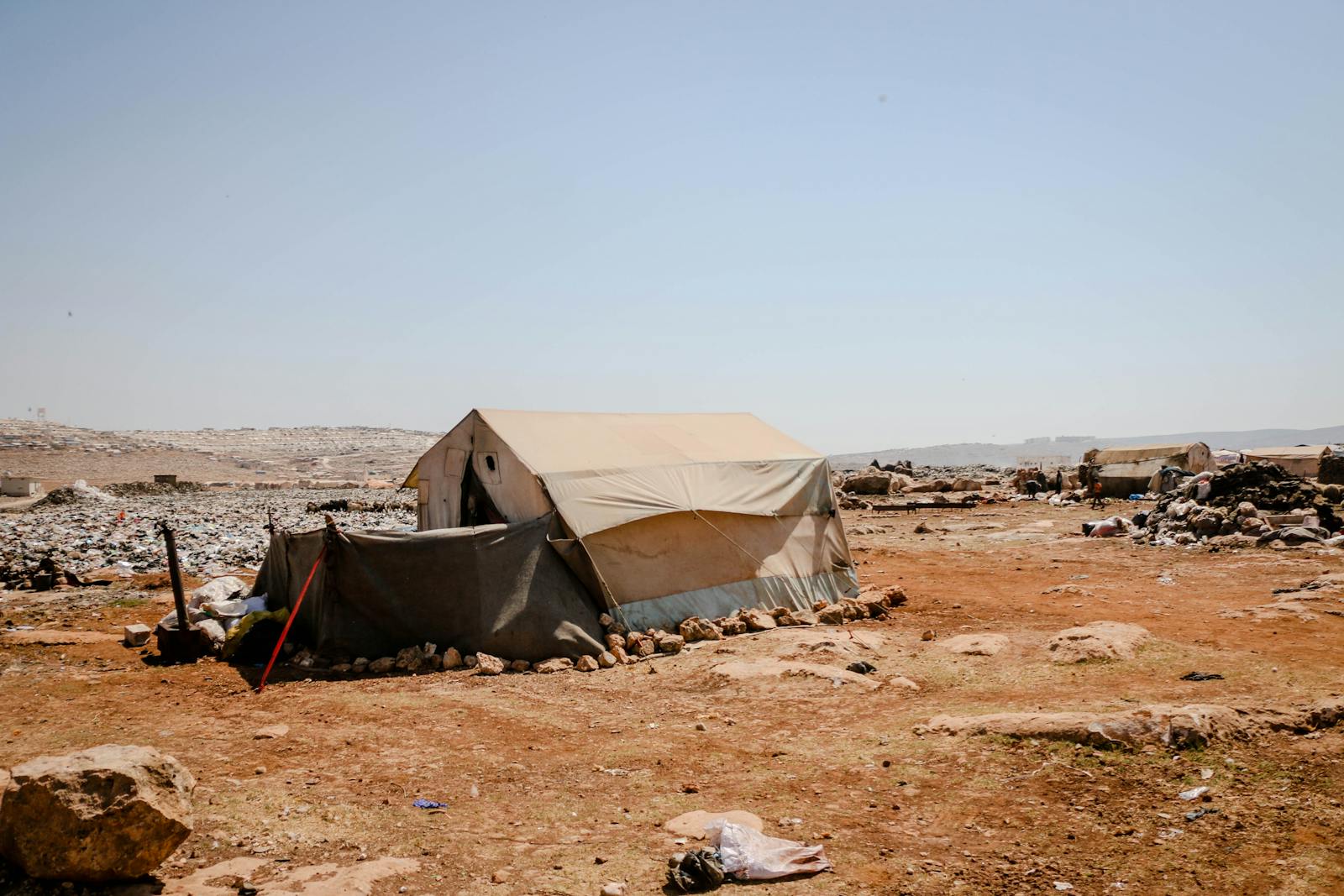
The Harrowing Journey to Morocco
The path to Morocco is fraught with peril. Many Sudanese refugees traverse through Libya and Algeria before finally reaching Morocco’s eastern border, a journey that can span multiple years and is often marred by experiences of detention, trafficking, torture, and forced labor. Reports from Al Jazeera shed light on the physical and psychological toll this journey takes on refugees, who often arrive in Morocco severely traumatized and in dire straits. Yasmina Filali, president of the Rabat-based Fondation Orient-Occident, has poignantly described the Sudanese refugee community as enduring immense pain and tragedy, while psychologist Hind Benminoum has emphasized the inhumane treatment and deprivation of basic freedoms faced by these individuals along their perilous route.
The civil unrest in Sudan, ignited in April 2023 by a power struggle between the Sudanese Armed Forces and the paramilitary Rapid Support Forces, has resulted in a staggering humanitarian crisis, with 33 million Sudanese in urgent need of assistance, as reported previously by Space Daily. This ongoing conflict only exacerbates the plight of refugees, who are fleeing violence and instability in search of safety.
Morocco's Asylum Dilemma
Despite being a signatory to the 1951 Refugee Convention and having spent over a decade drafting an asylum law, Morocco has yet to implement any formal legislation. Consequently, the UNHCR is responsible for refugee registration, operating in an environment where the necessary state infrastructure for such processes is nonexistent. This has led to a dual system where refugees receive a UNHCR card that, while theoretically offering some protection against deportation, fails to provide the rights and benefits promised by the convention in practice. Alarmingly, fewer than 0.5 percent of registered refugees and asylum seekers in Morocco can access formal employment, according to UNHCR data cited by Al Jazeera, leaving the vast majority without any means of support or housing.
In comparison, other African nations, such as Ethiopia, have taken progressive steps to integrate refugees into their economies, granting them the legal right to work and access essential services. Ethiopia, despite facing its own challenges, hosts close to a million refugees and has recognized that excluding them from economic participation creates more challenges than it resolves. Morocco, with a smaller refugee population and a higher GDP per capita, has ironically adopted more restrictive policies, a situation driven by geopolitical considerations rather than economic ones.
Morocco's geographical location plays a significant role in shaping its migration policies, especially given its proximity to the European Union's only land borders in Africa at Ceuta and Melilla. Any migration strategies implemented by Morocco are closely monitored by Madrid and Brussels, which influences the treatment of refugees. Reports indicate that Moroccan authorities routinely direct Sudanese refugees further south, away from Europe, while neighboring countries like Algeria and Libya attempt to push them back north. This creates a disorienting cycle for refugees, who are left in a state of limbo, unable to settle or secure the necessary documentation for stability.
Furthermore, the statistic of 22,370 refugees registered with UNHCR likely underrepresents the true scale of the crisis. Many refugees who have been pushed south, those who avoid authorities out of fear of deportation, or individuals stranded in transit countries like Algeria and Libya do not appear in the official Moroccan counts. The ongoing conflict in Sudan has been described as the world's largest humanitarian crisis, with millions displaced, yet Morocco's response remains a mere fraction of the need.
Women, particularly, face heightened vulnerabilities along this treacherous journey, with reports of sexual violence persisting in regions such as Darfur and continuing across borders into Libya, Algeria, and the informal economies of Moroccan cities. Young Sudanese refugees have expressed feelings of desperation, believing that they have no choice but to embark on this harrowing journey, highlighting the flawed assumptions inherent in deterrence strategies that presume rational decision-making in the face of war.
The narrative surrounding Morocco's refugee situation is troubling, as it is viewed by analysts as one of the safer countries for refugees in North Africa—a sobering benchmark. This reality underscores a systemic failure, where 99.5 percent of refugees cannot legally work, no asylum law has been enacted despite years of promises, and vulnerable populations are pushed further into the Sahara to prevent them from reaching Europe. As the war in Sudan shows no signs of resolution, the flow of refugees is likely to continue. The pressing question for Morocco, alongside the European governments whose policies influence its behavior, is whether the existing arrangement is an unintended consequence of bureaucratic stagnation or a deliberate strategy designed to appear humane while effectively serving as a barrier to migration.
As reported by spacedaily.com.