Understanding Morocco's Food Sovereignty Dilemma
In a recent analysis by the weekly publication “Al-Watan Al-An,” it was highlighted that despite Morocco's rich agricultural history and geographical diversity conducive to producing various food types, the country faces significant challenges when global crises such as pandemics and wars arise. These events prompt a critical examination of the achievements made over decades in agricultural modernization and its impacts on production and consumption structures. Achieving food sovereignty is not merely a goal but an intricate national project that demands clear political will and long-term investments. It relies on a balanced understanding of the roles of grains, water, and land within the framework of social stability and economic security.
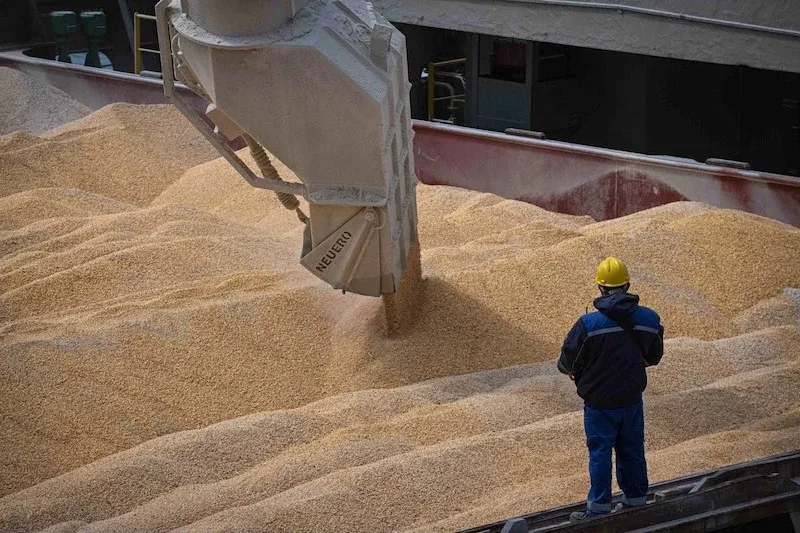
The publication pointed out that recent global upheavals have starkly revealed the fragility of Morocco's food security. This is evidenced by soaring prices of grains, vegetables, and meats, along with disrupted supply chains and reduced quantities arriving at Moroccan ports, signaling a decline in the country’s self-sufficiency levels. Once a nation that exported grains, dates, and oils, Morocco has now shifted to relying on imports for a majority of its food needs from global markets, which introduces various risks associated with international market fluctuations.
The Call for a Balanced Agricultural Model
Economic expert Mohamed Jadri stated that the current agricultural model has deepened Morocco's food dependency. The solution lies in restoring balance between exportation and self-sufficiency. A national crossroads has emerged, according to Adil Bouhouch, the General Secretary of the Moroccan Workers’ Youth, presenting two potential paths: the first being a continuation of the existing approach that would further entrench dependency, exacerbate rural poverty, and heighten vulnerability to global shocks. The second option calls for a bold sovereign decision to rebuild national production capacity, even if it incurs short-term costs. Bouhouch emphasized that historical examples of nations achieving food sovereignty, such as South Korea, China, and Turkey, were not coincidental; they stemmed from strong political will and significant investments over decades. Morocco possesses the necessary resources—land, albeit limited water, and labor—but lacks the genuine political will to act. He expressed hope that the series of crises, including COVID-19, the Ukraine conflict, and Middle Eastern turmoil, might finally awaken decision-makers to the pressing need for reform, driven by increasing social pressure from farmers, unemployed youth, and citizens impacted by rising prices.
Additionally, Khaled Lamkarkab, the head of the Potato Producers Association, criticized the government for neglecting small farmers, who are crucial to food sovereignty. He called for immediate intervention from the Ministry of Agriculture to devise a real strategy to rescue the agricultural sector, beginning with a census of farmers and reducing the prices of raw materials and fuel while organizing the agricultural sector. Khaled Al-Amari, Deputy Secretary General of the Professional Unions Federation in Morocco, noted that the food sovereignty crisis is primarily due to Morocco's neglect of local seeds and water security, criticizing the lack of reflection of agricultural sector support on the prices of meat and food products. He urged the release of agricultural research findings from the shelves and providing Moroccan farmers with local seeds instead of relying on foreign imports.
Youssef Karawi Al-Filali, President of the Moroccan Governance and Management Center, stated that achieving food sovereignty is linked to the availability of a comprehensive food chain reliant on producing essential goods like vegetables, fruits, grains, and meats. He criticized the excessive focus on exporting specific basic foods, such as tomatoes, onions, and potatoes, leading to significant shortages in Moroccan markets. Karawi advocated for regulating water usage and replacing certain water-intensive vegetables and fruits with those that Moroccan families depend on to bolster food sovereignty.
In summary, as Morocco grapples with the pressing issue of food sovereignty amidst rising global uncertainties, the discourse calls for a comprehensive reevaluation of its agricultural policies and a commitment to developing sustainable practices that ensure food security for its population.
As reported by hespress.com.