The Urgent Need for Infrastructure Investment in Morocco
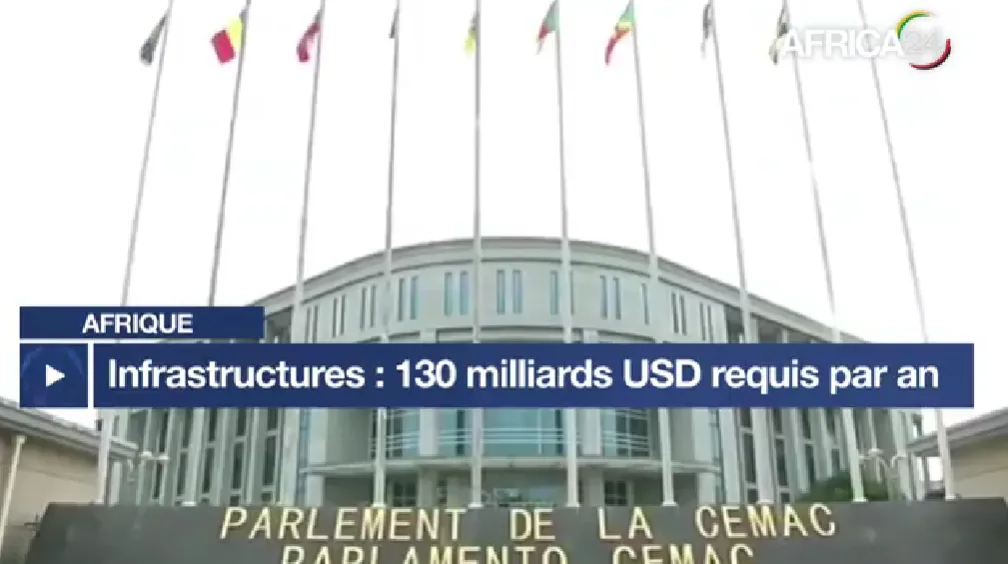
In recent assessments, the African Development Bank has identified a critical gap in infrastructure funding across the continent, estimating that Africa requires over $130 billion each year to meet its development needs. This staggering figure underscores the necessity for countries, including Morocco, to mobilize private sector investment to support and enhance their infrastructure projects. Despite the potential for growth, many African economies continue to rely heavily on expensive capital sources, which can be challenging to access. The average cost of capital for infrastructure projects can soar beyond 10 to 15%, a rate that is significantly higher compared to developed markets. To bridge this financing gap, financial guarantees are emerging as a pivotal tool, allowing public institutions and multilateral organizations to mitigate some of the risks involved, thereby reassuring private investors. Experts from the World Bank indicate that these financial mechanisms could considerably lower interest rates, facilitating easier access to credit and investment.
Makthar Diop, the General Director of the International Finance Corporation in Senegal, emphasizes the importance of political commitment and technical support in successfully assembling a portfolio of infrastructure projects. He argues that while there is much discussion about project preparation, there is insufficient focus on strengthening the institutions necessary to realize these goals. He points out, "When you have the right political commitment and technical assistance on specific issues, you can build a project portfolio. However, it is crucial to reflect on strengthening the institutions that are essential to achieve this." Furthermore, he highlights the development of capital markets as a vital component of this process.
Innovative Financing Solutions for Infrastructure Development
Another significant avenue for addressing the infrastructure financing challenge is through blended finance, which combines public and private funds. In this model, public funds act as catalysts by absorbing a portion of the risks, making projects more appealing to private investors. According to the Organization for Economic Cooperation and Development (OECD), such financing structures have already mobilized tens of billions of dollars in developing countries. Additionally, managing currency risk remains a crucial concern, especially given the monetary volatility affecting various African currencies. Investors are increasingly seeking protective mechanisms to secure their returns amid these fluctuations.
Diop further notes that a robust portfolio of projects fundamentally depends on a country's ability to conceptualize and structure its initiatives effectively. He states, "Having been on both sides of the table, I believe that a solid project portfolio fundamentally relies on a country's capacity to design and structure its own projects. We are here primarily to facilitate and initiate the process, but I do not believe that a multitude of quality projects will come from occasional interventions by funders. It is essential to establish national systems capable of generating quality projects." Collectively, these financial instruments not only aim to reduce capital costs but also strive to channel more private investments into strategic sectors such as energy, infrastructure, and agriculture. The World Bank further estimates that developing countries may require trillions of dollars annually to achieve their sustainable development objectives.
As reported by africa24tv.com.