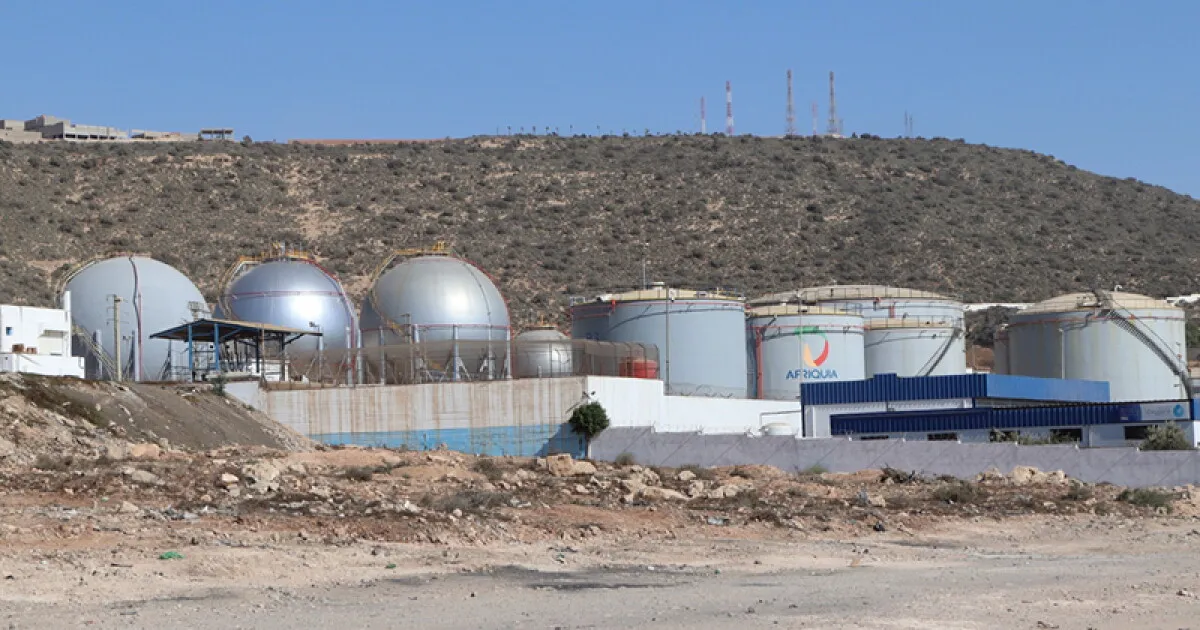
As Morocco aims to bolster its energy security, the country's evolving gas strategy has elicited a wave of skepticism from market analysts and industry observers. The focus has shifted towards the potential of floating liquefied natural gas (LNG) import terminals and the exploration of ambitious pipeline projects across Africa. These initiatives are designed to address Morocco's growing energy demands and to diversify its energy sources in a rapidly changing global market. However, despite the government's efforts to innovate and adapt its energy framework, doubts linger regarding the feasibility and timing of these projects.
Morocco's approach to re-evaluating its LNG import capabilities is particularly noteworthy. The country recognizes the importance of securing a reliable gas supply to sustain its economic growth and to transition towards cleaner energy sources. Yet, the execution of these plans faces significant challenges, including geopolitical tensions, infrastructure limitations, and financial constraints. Industry stakeholders are closely monitoring developments, as the implications of Morocco's gas strategy extend beyond national borders, potentially impacting regional energy dynamics and trade relationships.
In summary, while Morocco's aspirations to enhance its gas infrastructure and supply chain reflect a proactive stance in energy security, the market remains skeptical about the actualization of these ambitious projects. The path forward will require navigating complex challenges and ensuring that strategic partnerships are formed to realize the full potential of Morocco's gas ambitions.
As reported by energyintel.com.