Morocco's Position in the European Gas Market
As geopolitical tensions escalate and the global liquefied natural gas (LNG) market faces immense pressure, Europe is poised to secure substantial volumes of gas. This scenario intensifies international competition, placing direct implications on import-dependent nations like Morocco. The latest report from the European Network of Transmission System Operators for Gas (ENTSOG) highlights not only European challenges but also a significant reshaping of the global gas market influenced by tightening supply and rising geopolitical risks.
A primary source of tension originates from the Gulf region, where escalating conflicts have significantly impacted global LNG markets, disrupting approximately 17% of Qatar's export capacity. Additionally, the Strait of Hormuz poses further risks, as it is a pivotal transit route for nearly 20% of the world's LNG flows. Under these conditions, Europe enters the injection season at a disadvantage. As of April 1, 2026, European gas stocks stand at 28%, equivalent to around 314 terawatt-hours (nearly 29 billion cubic meters), which is considerably lower than levels recorded in the past three years. There are stark national disparities, with some countries exceeding 88% while others languish below 5%.
To meet the target of 90% storage capacity by the end of September, Europe must mobilize approximately 943 terawatt-hours of LNG, translating to nearly 86 billion cubic meters throughout the summer. This figure exceeds typical seasonal requirements and necessitates maximum utilization of import infrastructure. Should Russian gas flows halt entirely, an additional 66 terawatt-hours (around 6 billion cubic meters) would be necessary. This mounting demand coincides with a constrained global supply. In a scenario described as "LNG Tight," which includes a 20% reduction in availability, the volumes accessible to Europe could dwindle to around 778 terawatt-hours (71 billion cubic meters) over the summer. In this configuration, storage levels may fail to exceed 76% by the end of September, with a potential drop to 70% in cases combining LNG supply tensions and interruptions in Russian supplies.
The Shifting Dynamics of Gas Supply and Demand
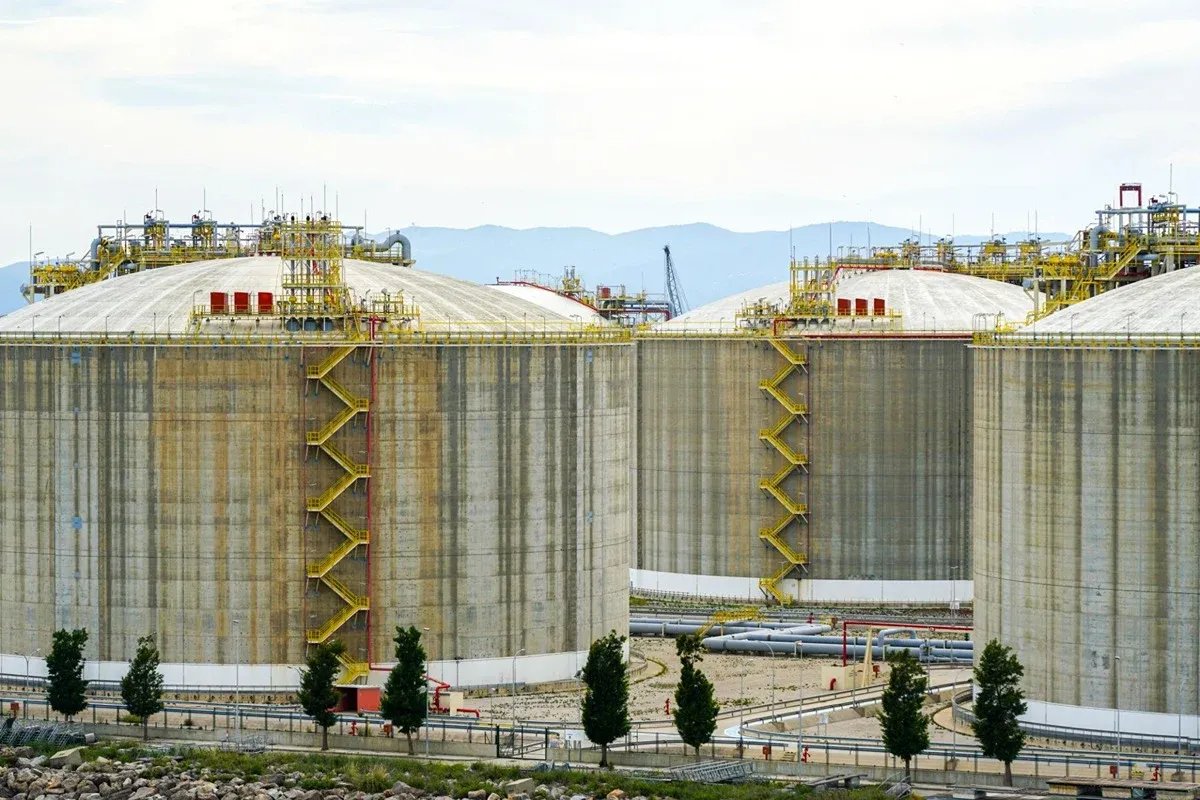
The report also underscores the increasing centrality of LNG in maintaining energy balance globally. Approximately 30% of LNG trade occurs in the spot market, which amplifies price volatility and sensitivity to external shocks. Meanwhile, Europe's regasification capacity reaches about 1,600 terawatt-hours per winter season (nearly 145 billion cubic meters), enabling it to absorb significant flows, albeit at the cost of increased dependency on external sources. Concurrently, European gas production continues its structural decline, projected to decrease by about 7% in summer 2026 compared to the previous year, a trend driven by the depletion of gas fields and the shutdown of major sites like Groningen. This contraction restricts internal margins and heightens reliance on imports.
The challenging market conditions further complicate the replenishment of gas stocks. High prices combined with a narrow seasonal differential diminish the economic incentives to inject gas into storage, resulting in more erratic flows and increased dependence on price opportunities. Consequently, European demand is trending towards concentrated periods of lower prices rather than being evenly distributed throughout the season, which intensifies competition for available cargoes in the international market.
As reported by fr.hespress.com.