Morocco's Delegation Raises Concerns Over Election Irregularities
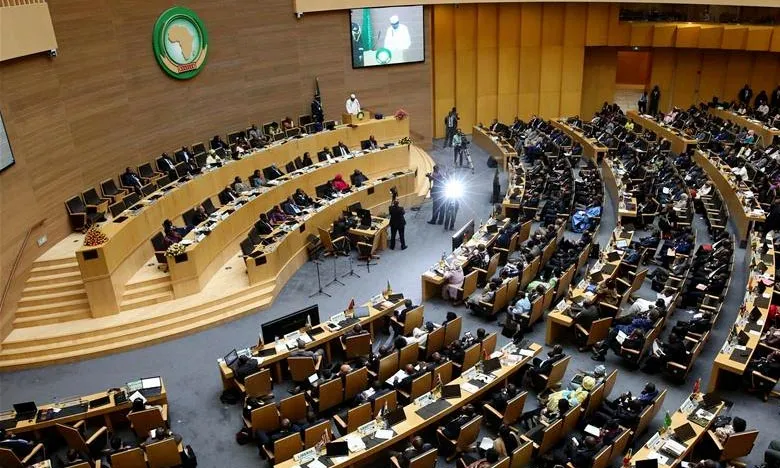
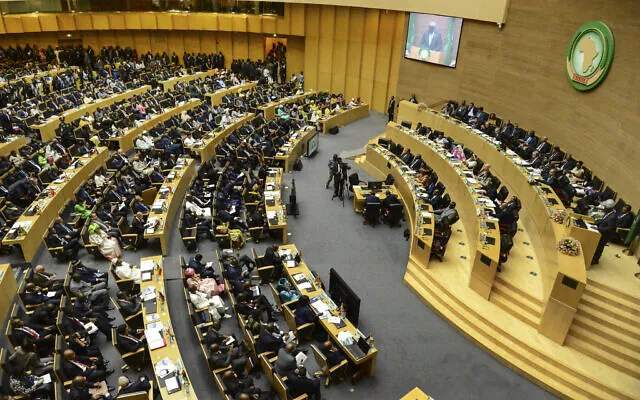
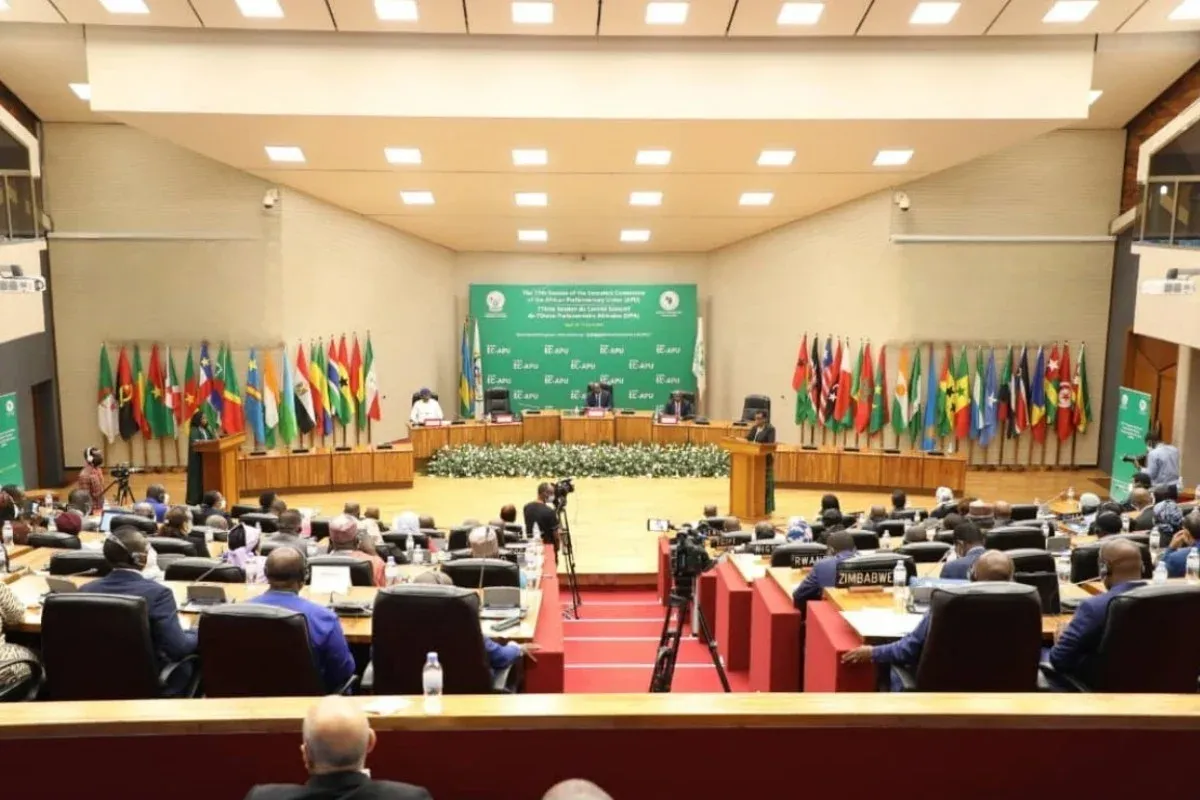
On May 1, 2026, Morocco's delegation to the Pan-African Parliament expressed strong objections regarding a recent election in which an Algerian candidate was elected president. This election, which took place from April 28 to April 30, 2026, at the Pan-African Parliament's headquarters in Midrand, South Africa, was intended to appoint a new president and four vice-presidents following the expiration of the previous office's term on February 28, 2026. However, the Moroccan delegation highlighted serious irregularities that marred the electoral process, prompting them to issue an official protest to the Chairperson of the African Union Commission, demanding urgent intervention.
Denunciation of Procedural Abuses and Call for Transparency
In their official communication, the Moroccan representatives documented numerous legal and procedural violations that undermined the integrity of the elections, referring to them as a blatant attempt to impose a fait accompli. Among the major issues highlighted were breaches of neutrality and significant procedural dysfunctions during meetings of the North African group held on April 28 and 29. The Moroccan delegation noted an illegitimate and overt intervention by administrative bodies that influenced the proceedings, stressing that there was an imposition of voting procedures lacking legal foundation and a disregard for the consensus principle.
Furthermore, the Moroccan delegation expressed astonishment at the involvement of security personnel during the electoral process, which they described as a clear attempt to sway the meeting's outcome. These allegations raise serious concerns about the legitimacy of the voting and necessitate immediate action to uphold the rules governing the continental organization and ensure their enforcement. In light of these irregularities, the Moroccan delegation officially opposed the election proceedings and rejected the results, deeming them legally unfounded. To protect the principles of legality and transparency, as well as to preserve the credibility of the Pan-African Parliament as a continental advisory institution, the Moroccan delegation resolved to boycott the electoral process, which they regarded as 'illegal'. They underscored the importance of adhering to the legal and institutional frameworks governing the Pan-African Parliament to guarantee a transparent and credible election for the seventh legislature's bureau, expressing profound discontent with any attempts to impose a fait accompli.
As reported by fr.hespress.com.