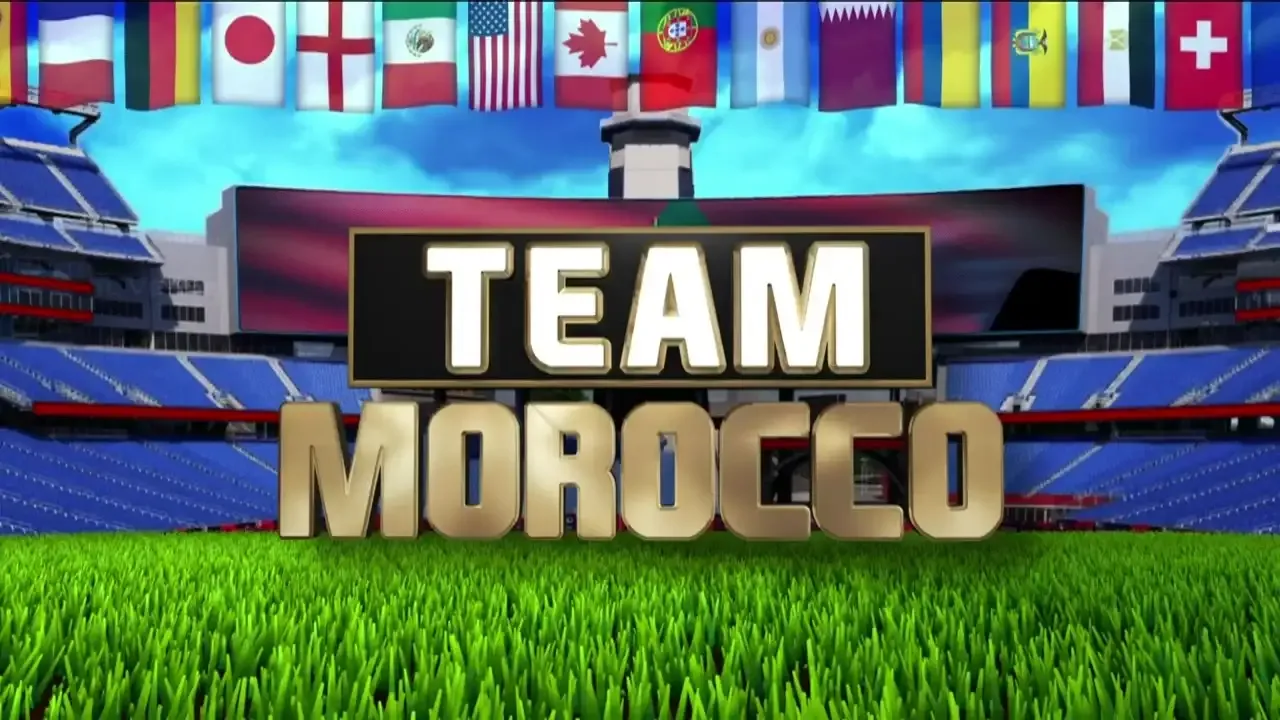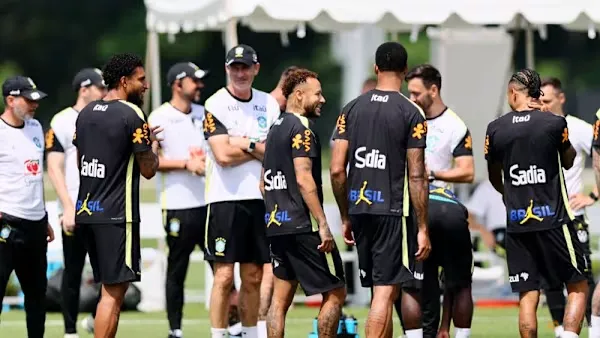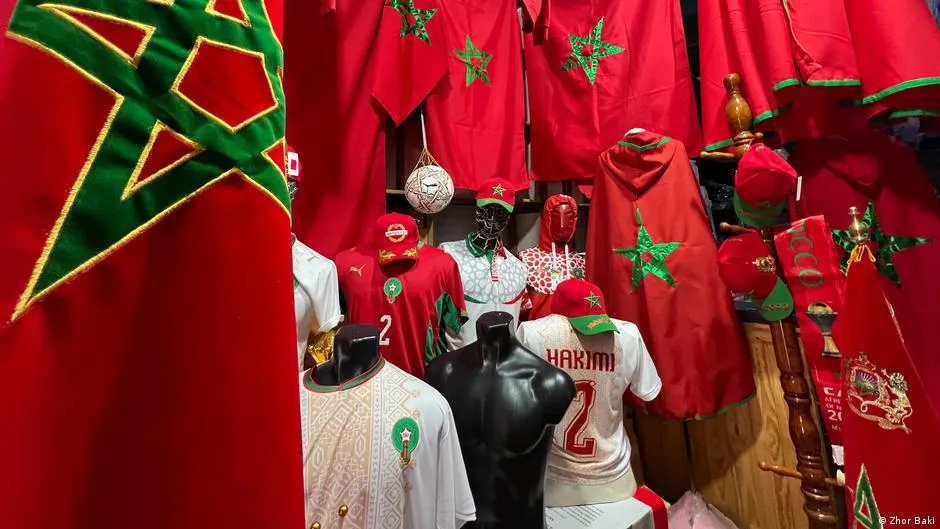
Hosting the 2030 World Cup represents a monumental opportunity for Morocco, particularly for its capital, Rabat. This endeavor transcends mere sports; it embodies a national aspiration that intertwines pride, hope, and significant investments in infrastructure and modernization projects. As Moroccan fans celebrate their national team's recent performance, including a notable draw against Brazil in their 2026 World Cup opener, they are filled with anticipation for the future. Their dreams are fueled by the historic achievement of reaching the semifinals in the 2022 World Cup, but the focus is now shifting toward the grand stage of 2030, where Morocco, alongside Spain and Portugal, will co-host the prestigious tournament.
The significance of hosting the World Cup extends far beyond the realm of sports; it symbolizes a solidified commitment to modernization and economic development. Morocco's journey to this point has not been easy, having submitted five unsuccessful bids before FIFA awarded the hosting rights in December 2024. Observers note that this event is one of King Mohammed VI's key projects, aimed at enhancing the country’s image on a global scale. Steven Hoefner, director of the Konrad Adenauer Foundation's office in Rabat, emphasizes that the World Cup serves as a pivotal catalyst for economic development in Morocco, coinciding with a broader structural transformation within the nation. As climate change and drought conditions diminish the importance of agriculture, sectors such as industry, services, and tourism are rapidly expanding, ushering in a new era of growth.
Isabelle Werenfels from the German Institute for International and Security Affairs concurs, asserting that the implications of the World Cup reach well beyond the sporting arena. The government is leveraging the tournament to advance its modernization agenda and to justify substantial domestic investments. Currently, Morocco is channeling billions into the construction of stadiums, airports, rail lines, and roads. A study by the Real Instituto Elcano positions the 2030 World Cup as a tool for enhancing Moroccan soft power, aimed at improving the nation's international standing, attracting foreign investment, and reinforcing its leadership role in Africa. The overarching goal is to cultivate an image of Morocco as an open, tolerant, and progressive nation capable of executing high-profile projects.
However, these ambitious investments have sparked significant controversy and unrest, particularly among the younger generation, known as Gen Z. Last year, thousands protested against the World Cup plans, voicing concerns that funds allocated for major infrastructure projects could be better spent on pressing issues like education and healthcare. Werenfels notes that while the protests are not against the World Cup itself, they highlight a critical debate over national priorities. Hoefner points out that the long-term acceptance of these projects will largely depend on whether the population experiences tangible benefits from the investments made.
This situation underscores one of Morocco's primary challenges; despite notable progress in various sectors over the past 25 years, including improvements in life expectancy, income levels, and educational attainment, the country grapples with high youth unemployment and regional disparities. Additionally, while many citizens express pride in the visible transformations occurring in their cities, they also voice concerns over the rising cost of living and the social ramifications of resettlements and demolitions tied to new projects. The debate surrounding the World Cup's legacy—whether it will foster sustainable development or merely result in extravagant, short-lived projects—remains a contentious topic.
Environmental issues also loom large, particularly regarding Morocco's water scarcity challenges. As Werenfels points out, the sustainability of tourism and its potential impact on agriculture raises important questions about the future. Nonetheless, there is a prevailing hope that hosting the World Cup could catalyze a significant development boom. The Real Instituto Elcano notably draws parallels between the potential impact of the 2030 World Cup on Morocco and the transformative effect of the 1992 Olympic Games on Spain's international reputation.
Ultimately, the success of Morocco's ambitious plans hinges on more than just the construction of new stadiums and the thrill of competitive soccer matches. The true measure of success will be whether Morocco can successfully navigate the intricate balance between economic modernization, social advancement, and the execution of high-profile national projects. The 2030 World Cup, therefore, stands as not only a premier sporting event but also as a vital test of Morocco's developmental trajectory and the political vision of its royal family.
As reported by dw.com.