Transforming Tourism Through Infrastructure Investment
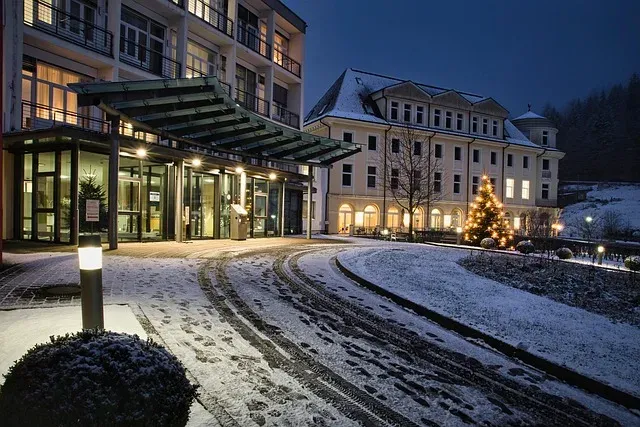
In a strategic move to bolster its tourism sector, Morocco is set to enhance its hotel accommodation capacity by approximately 60,000 beds ahead of the co-hosting of the 2030 FIFA World Cup, an event it will share with Spain and Portugal. This expansion initiative aims to transform the tournament into a catalyst for long-term tourism growth in the country. The planned increase in hotel capacity represents about 20% of Morocco's existing infrastructure, which has already surpassed 300,000 beds due to the recent addition of 45,000 beds over the last four years, as reported by various sources.
Tourism Minister Fatim-Zahra Ammor emphasized the importance of the World Cup as a significant opportunity rather than a mere endpoint, stating, “We see the 2030 FIFA World Cup as an accelerator, not an end in itself.” In preparation for this monumental event, the Moroccan government is undertaking a comprehensive infrastructure initiative, committing over MAD 190 billion (approximately $20 billion) towards enhancing railways, roads, airports, stadiums, and urban development projects.
Leveraging Global Attention for Sustainable Growth
The recent historic achievements of Morocco’s national football team at the 2022 FIFA World Cup in Qatar, where it made history by becoming the first African and Arab team to reach the semi-finals, have reignited international interest in the country’s tourism sector. The government aims to leverage this newfound global visibility to foster sustainable growth in an industry that contributes nearly 7% to the national GDP and supports hundreds of thousands of jobs.
In 2025, Morocco welcomed nearly 20 million tourists, solidifying its status as Africa's premier travel destination, with aspirations of attracting 26 million visitors by 2030. This ambitious growth plan is bolstered by enhanced air connectivity, particularly through new routes that connect Morocco with global markets. Minister Ammor noted that the next phase of development will prioritize attracting visitors from key markets such as China, the United States, and the Middle East, by improving air links and promoting unique tourism experiences.
Moreover, the government is intent on alleviating the pressures on well-known destinations like Marrakech and Agadir by highlighting other cities that offer cultural, business, and sporting attractions, thus diversifying the tourist experience throughout the country.
Rabat, the Moroccan capital, is being targeted for greater tourism development, with plans to position it as a central hub for cultural events, sports competitions, and business tourism. The city's rich historical sites, museums, and growing sports infrastructure are expected to enhance its role in Morocco's tourism strategy leading up to the 2030 World Cup. Minister Ammor stated, “We need to make investments that create lasting value for Moroccan tourism.” With projections from the central bank suggesting that tourism revenues could rise to MAD 161 billion by 2027, compared to MAD 138 billion recorded in 2025, Morocco is poised to ensure that the investments made for the World Cup yield economic benefits that extend well beyond the tournament itself.
As reported by moroccoworldnews.com.