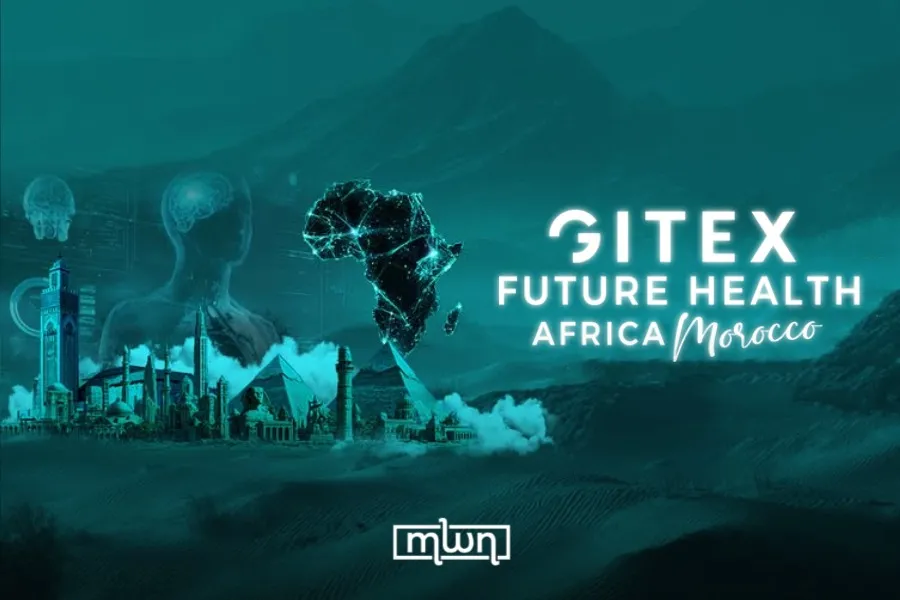
Morocco Gears Up for a Transformative Health Summit in Casablanca
Morocco is preparing to host the first-ever GITEX Future Health Africa from May 4 to 6 in Casablanca, an event poised to bring together global leaders in health and technology to address the pressing challenges facing healthcare systems across the African continent. This significant initiative aims to explore how nations in Africa can enhance their healthcare infrastructures and reduce dependency on external aid, fostering a more self-sufficient medical ecosystem.
The summit will kick off on May 4 with an Executive Summit that will gather a diverse group of stakeholders, including policymakers, healthcare officials, tech innovators, and investors. These influential figures will engage in meaningful dialogue focused on overcoming barriers in African health systems. Key topics for discussion will include strategies for minimizing reliance on foreign assistance, improving regulatory frameworks, and expanding universal health coverage while simultaneously enhancing healthcare infrastructure.
Supported by Morocco’s Ministry of Health and Social Protection, the Mohammed VI Foundation for Sciences and Health, and KAOUN International, which manages GITEX on a global scale, the event has garnered significant attention. Health Minister Amine Tehraoui emphasized Morocco's vision to create a collaborative model where public institutions, industry leaders, and innovators can work in tandem, prioritizing practical outcomes that improve access to healthcare. He highlighted the role of digital technologies and artificial intelligence as pivotal in this evolution, while also advocating for solutions tailored to the unique realities faced on the ground.
The event is set to feature a lineup of distinguished speakers, including former French health minister Agnès Buzyn, Huma co-founder Dan Vahdat, and Jan Schwaab from GIZ. Vahdat has expressed optimism that the integration of technology with long-term planning could significantly enhance the accessibility and resilience of healthcare services across Africa.
The program will continue over the following days with the Future Health Congress, which will delve into the transformation of hospitals, particularly through the use of AI-driven diagnostics and innovative care models that transcend traditional healthcare settings. Discussions will also encompass the importance of patient experiences and strategies for retaining healthcare talent within the continent.
Accompanying the forums will be an exhibition space dedicated to showcasing companies, investors, and organizations at the forefront of health innovation. The organizers aim to create an initiative that not only addresses immediate healthcare challenges but also facilitates the development of health systems that are more accessible, resilient, and less dependent on external support.
As reported by moroccoworldnews.com.