Morocco's Esteemed Position in Global Heritage
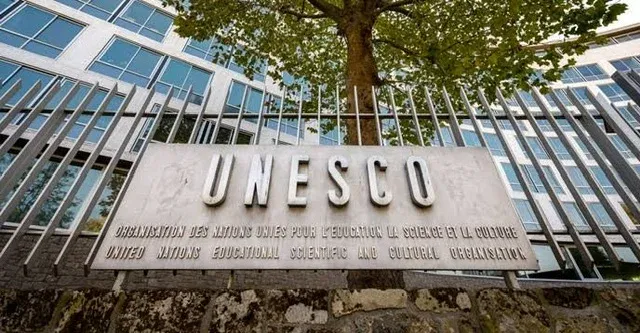
Morocco stands out as a prominent nation in the UNESCO World Heritage list, a recognition that began with the inscription of its first site in 1981, the ancient city of Fes. This remarkable journey culminated in the addition of eight more sites, solidifying Morocco's status as a cultural treasure trove in the Arab world. Every year, on April 18, the global community celebrates "World Heritage Day," highlighting the critical importance of protecting and preserving cultural and human heritage. Morocco proudly claims nine sites inscribed on the UNESCO World Heritage list, equally matched by Tunisia, while Saudi Arabia follows with eight. Jordan, Egypt, and Algeria share the fourth position with seven sites each, and Iraq, Syria, Palestine, and Lebanon each have six sites.
Understanding UNESCO's Inclusion Criteria
The inclusion of a site on the UNESCO list signifies its exceptional universal value, which entails international obligations for its protection and preservation for future generations. UNESCO employs rigorous criteria that encompass both cultural and natural dimensions, requiring that a site demonstrates outstanding human value, whether as a masterpiece of human creativity, a testament to the interaction of civilizations, or a notable representation of architecture, traditions, or lifestyles reflecting significant phases in human history. Additionally, natural sites recognized by UNESCO must exhibit extraordinary beauty or scientific importance, representing geological development stages or hosting ecosystems and habitats crucial for biodiversity conservation.
Morocco's nine classified sites embody its rich cultural and civilizational diversity, showcasing the succession of multiple civilizations from Amazigh to Arab, along with influences from Andalusian, African, and European cultures. Some of the notable sites include:
- The Old City of Fes (Inscribed in 1981) - Founded in the 9th century, Fes is home to the world's oldest university and thrived during the 13th and 14th centuries under the Marinid dynasty. Its historical fabric and essential monuments, including schools, inns, palaces, houses, mosques, and fountains, trace back to this golden era, solidifying Fes's status as a cultural and spiritual capital.
- The Old City of Marrakech (Inscribed in 1985) - Established by the Almoravids between 1070 and 1072, Marrakech served as a vital political, economic, and cultural center in the Islamic West. Its magnificent monuments, such as the Koutoubia Mosque and the Saadian Tombs, highlight its historical significance. The famous Jemaa el-Fnaa square, recognized as a masterpiece of intangible heritage, captivates visitors with its vibrant atmosphere.
- Ait Benhaddou (Inscribed in 1987) - This traditional earthen dwelling complex represents the architectural style prevalent in the southern regions of Morocco, surrounded by fortified walls and watchtowers, exemplifying the region's historical architecture.
- The Historic City of Meknes (Inscribed in 1996) - Founded in the 11th century, Meknes became the capital under Sultan Moulay Ismail (1672–1727), who transformed it into an architectural marvel with high walls and historical gates that reflect a harmonious blend of Islamic and European styles.
- The Archaeological Site of Volubilis (Inscribed in 1997) - An ancient Roman city founded in the 3rd century B.C., Volubilis was significant due to its exquisite ruins and served as a brief capital for Idris I, the founder of the Idrisid dynasty.
- The Medina of Tetouan (Inscribed in 1997) - Tetouan played a crucial role during the Islamic period as a link between Morocco and Andalusia, showcasing distinct Andalusian architectural influences.
- The Medina of Essaouira (formerly Mogador) (Inscribed in 2001) - Essaouira is a unique example of an 18th-century fortified town, reflecting the historical significance of trade and cultural exchange in the region.
As reported by ar.yabiladi.com.