Morocco's Strategic Initiative for Water Management
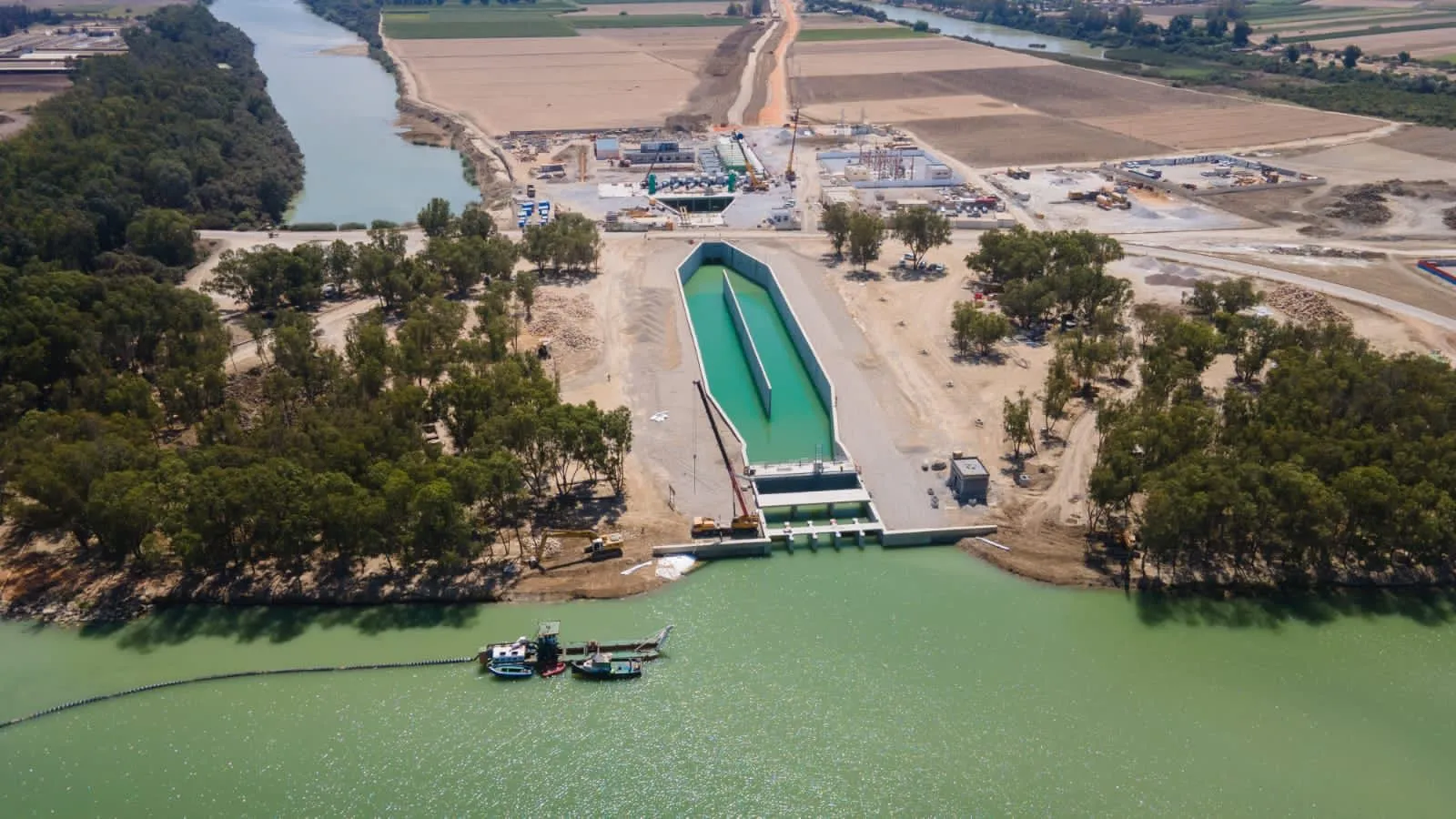
On May 7, 2026, Morocco is set to initiate the second phase of its ambitious **Water Highway Project**, in collaboration with the **United Arab Emirates**. This strategic endeavor aims to bolster the kingdom's water and food security. The new phase focuses on connecting the water supply from the **Sebou Basin** to the **Oum Er-Rbia Basin**, ultimately reaching the **Al-Masira Dam**. This will increase the volume of water transferred from the current **400 million cubic meters** to an impressive **700 million cubic meters annually**, with the overall capacity of the project expected to reach **1.2 billion cubic meters per year** upon completion.
The Ministry of Equipment and Water recently presented the critical impact of the project's first phase to a committee in the House of Representatives. The connection established between the **Sebou and Abir Raqraq Basins**, completed in record time, facilitated the transfer of approximately **950 million cubic meters** of water. This intervention has spared the country from an unprecedented water crisis, especially as the reserves in the **Sidi Mohammed Ben Abdullah Dam** dwindled to around **85 million cubic meters**, while the annual demand for water in **Casablanca and Rabat** exceeds **400 million cubic meters**.
Innovative Solutions for Water Storage and Management
The hydrological system of this project incorporates major dams that play pivotal roles in the transfer processes, foremost among them being the **Al-Wahda Dam**, the largest in the nation, along with the **Al-Masira Dam**, which ensures water supply to several key cities, including **Marrakech, El Jadida, Safi, and Khouribga**. In terms of managing storage capacity, the ministry has adopted a proactive approach to tackle sediment issues. By utilizing flood periods for bottom discharges, they have recovered millions of cubic meters of lost storage capacity. Previous bathymetric measurements indicated a loss of between **15% and 20%** of the dams' capacity; however, recent interventions have successfully reduced this shortfall to about **5% to 7%**.
These efforts align with the accelerated move towards the **widespread implementation of seawater desalination plants**, which several coastal cities are increasingly relying on. This will alleviate pressure on the dams and allow for the redirection of surface water to support the agricultural sector, particularly in the **Doukkala and Chaouia** regions, which face significant water shortages despite their substantial production potential.
All of these initiatives fall under the **National Water Plan for 2050**, aiming to ensure a sustainable supply that meets at least **80%** of the national water needs. This is in line with the royal vision aimed at enhancing Morocco's resilience against climate change and ensuring long-term water and food security for the kingdom.
As reported by maadialna.ma.