Morocco's Economic Vulnerability in Times of Crisis
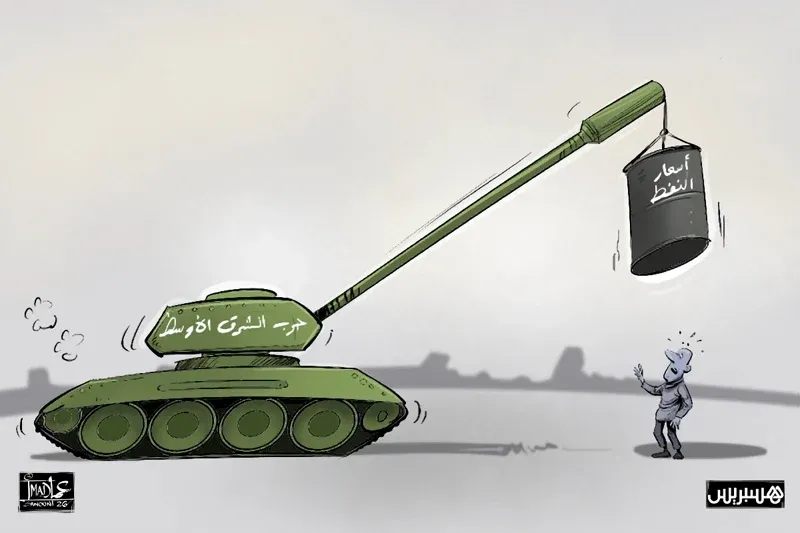
The ongoing turmoil in the Middle East has put Morocco in a precarious position, exposing the nation to potential inflationary shocks. As regional conflicts escalate, particularly those involving major powers and their repercussions on global markets, Morocco finds itself grappling with the dual challenges of maintaining economic stability and ensuring food security for its population. The conflict introduces a myriad of external pressures, including rising energy prices and supply chain disruptions, which could significantly impact Morocco's already fragile economy.
Le Monde highlights that the implications of the Middle Eastern wars extend beyond immediate military concerns, affecting global economic dynamics. For Morocco, a country heavily reliant on imports for its energy needs and food supplies, the situation is particularly concerning. With the prices of essential commodities likely to surge, there is a looming threat of inflation that could erode the purchasing power of Moroccan citizens. This scenario has prompted the government to consider various measures to mitigate the potential fallout, including subsidies and price controls, to shield the population from the adverse effects of inflation.
As Morocco navigates this complex landscape, the economic forecasts suggest that the country must strengthen its resilience against external shocks. This includes diversifying energy sources, enhancing agricultural productivity, and investing in local industries to reduce dependence on imports. In doing so, Morocco can better safeguard its economy and ensure a more stable future for its citizens amidst the ongoing uncertainties in the Middle East.
As reported by alquds.co.uk.