The Financial and Social Impact of Aging in Morocco
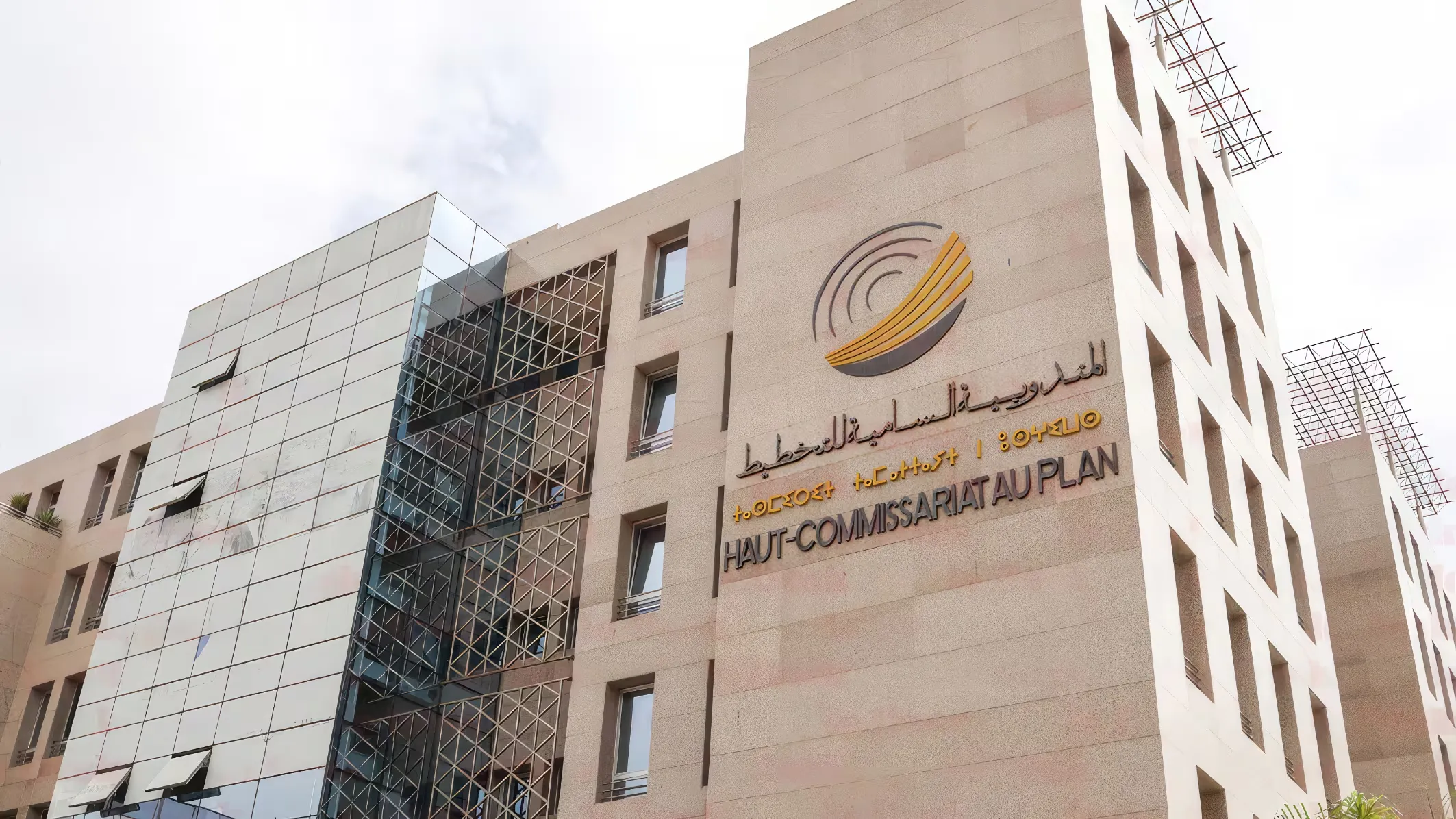
The demographic shift occurring in Morocco is leading to significant social changes that the nation appears ill-equipped to handle. According to sociologist Mehdi Alioua, who serves as the dean at Sciences-Po Rabat, this transformation is particularly evident in the context of the family structure and the increasing financial and productivity burdens it places on households. In an interview with the newspaper Les Inspirations Éco, Alioua emphasizes that without a comprehensive social protection system and dedicated infrastructures, the challenges associated with an aging population could lead to severe impoverishment of families and negatively impact the country's productivity. This commentary comes in light of recent data from the High Commission for Planning, which indicates a troubling trend towards increased longevity coupled with a decline in traditional family support systems.
Shifts in Family Dynamics and the Role of Women
Historically, Moroccan families operated within a model characterized by community and extended kinship networks; however, the sociologist notes a significant shift towards nuclear family structures, which are now more dominant. This change fosters individualism and a trend towards decreased cohabitation, leading families to struggle with the responsibilities of elder care. Alioua explains that as parents age, their children are increasingly reluctant to take on caregiving roles, particularly when geographical distances and migration restrictions further exacerbate this disconnect. Given these circumstances, he advocates for active state involvement in providing support through home care and health clinics, especially since many elderly individuals lack descendants to assist them.
The analysis further highlights the disproportionate burden placed on women, who have historically been responsible for elder care within extended families. As the transition toward modern family structures unfolds, women find themselves more isolated than ever. Alioua observes a shift from endogamy to generalized exogamy since Morocco's independence, which has diluted the close-knit family support systems that once prevailed. He argues that the financial responsibilities associated with caring for parents—whether they are one's own or those of a spouse—hinder women's emancipation, representing a subtle form of oppression rooted in a patriarchal but non-community-oriented structure.
From an economic perspective, Alioua warns that this unanticipated demographic shift is creating immense societal costs. The lack of an effective universal health coverage system for long-term illnesses means that current family solidarity acts merely as a temporary fix, leading to household impoverishment and reduced productivity. He expresses concern that without collective support for isolated seniors, extreme poverty among the elderly population is likely to escalate.
Alioua believes that Morocco is in a state of cultural denial regarding what he terms a revolution in family dynamics, wherein the very essence of family is evolving rapidly, particularly with the incoming Generation Z. He calls for a thorough reassessment of retirement funding and dependency care, alongside the urgent establishment of specialized housing facilities. Highlighting the current shortfall in geriatrics and qualified personnel, Alioua concludes that the awareness of these issues has come too late, pointing to a decade or two of negligence in responding to the visible signals noted during the 2014 census.
As reported by fr.le360.ma.