Morocco's Parliamentary Delegation Protests Election Process
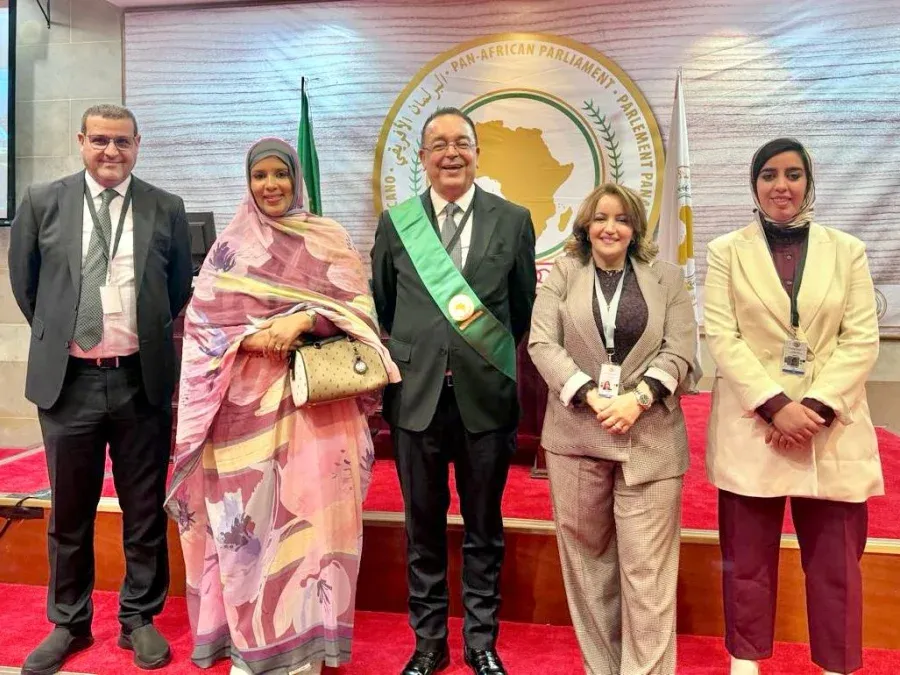
On April 30, 2026, the Moroccan parliamentary delegation officially announced their boycott of the election process for the new president of the African Parliament, citing significant irregularities and a lack of legal foundation for the proceedings. This decision was disclosed in a statement from the House of Representatives, emphasizing Morocco's commitment to principles of legitimacy and transparency, as well as its dedication to preserving the credibility of the African Parliament as a continental advisory institution.
The delegation's protest took place during the first extraordinary session of the African Parliament's seventh legislative term, which ran from April 28 to April 30, 2026, in Midrand, South Africa. This session was primarily dedicated to electing the parliament's president and four vice-presidents following the conclusion of the sixth bureau's term on February 28. The statement indicated that meetings of the North African group, held on April 28 and 29, were marred by serious procedural and legal violations, including the imposition of voting procedures lacking legal grounding and the blatant interference of administrative bodies in the meeting's conduct.
Concerns Over Election Integrity and Transparency
The Moroccan delegation characterized the events as an unprecedented violation of parliamentary norms, noting that private security personnel were used in an apparent attempt to influence the proceedings. They reported discrepancies that directly impacted the integrity and transparency of the entire process, such as conflicting voter counts and violations of legal time limits for meetings, resulting in decisions made outside the established regulatory framework. These factors raised significant concerns about the legitimacy of the announced results.
In light of these issues, the Moroccan delegation sent an official letter of protest to both the Chairperson of the African Union Commission and the legal advisor of the Union. Within this communication, Morocco detailed the various documented legal and procedural violations that plagued the entire electoral process, urging immediate intervention to uphold the foundational rules governing the continental organization.
The delegation also highlighted critical observations regarding the breach of neutrality, a fundamental principle necessary for the operational integrity of any parliamentary organization, especially concerning procedural management and decision-making mechanisms. They criticized the decision-making processes that lacked clear legal foundations and failed to respect the principle of candidate rotation, which is essential for ensuring fairness and balance among member states.
Morocco reiterated the importance of establishing all structures and decisions on solid foundations of transparency, legitimacy, plurality, and genuine democracy, reflecting its commitment to protecting parliamentary institutions and enhancing their credibility. Furthermore, the delegation underscored the necessity of ensuring that electoral processes are conducted fairly, reflecting the collective will of member states and gaining full acceptance.
In conclusion, Morocco reaffirmed its commitment to the objectives of the African Parliament, which include promoting democratic participation among the continent's peoples and supporting the African integration process. They called for adherence to legal and institutional frameworks governing the organization to ensure a transparent and credible election for the leadership of the seventh legislative term, expressing deep dissatisfaction and rejecting the imposition of the status quo.
As reported by al3omk.com.