Understanding the Complex Dynamics of Morocco and Algeria's Involvement in Mali
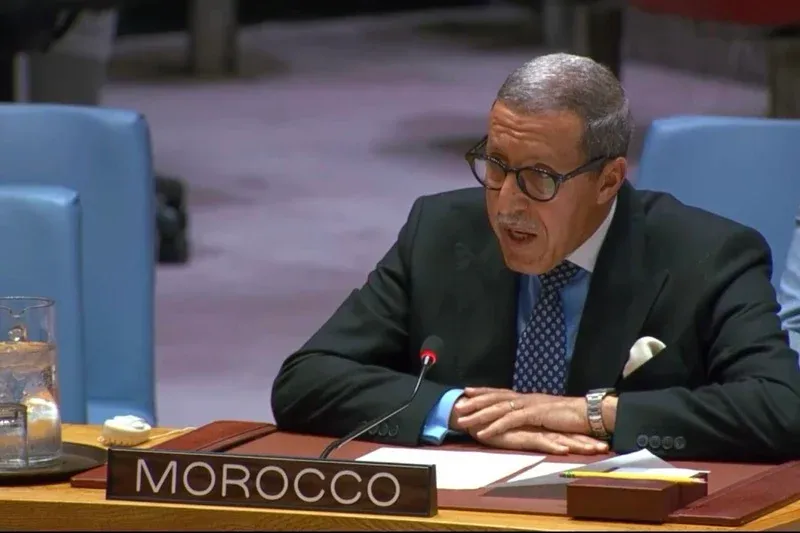
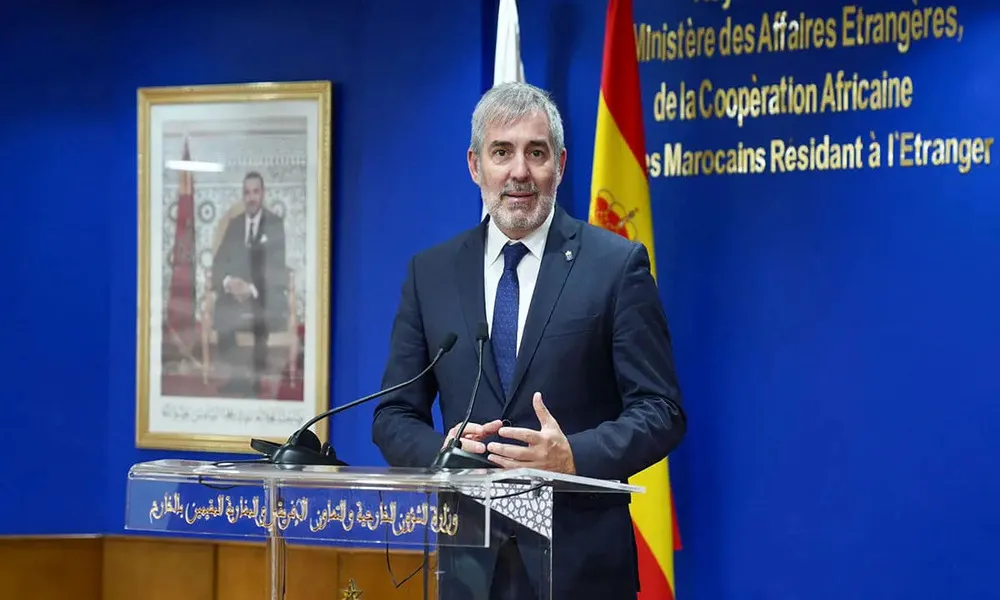
As the security situation in Mali deteriorates, reaching unprecedented levels of complexity since the transitional government took power in 2021, the region is witnessing a stark contrast in the responses of Morocco and Algeria. Following coordinated attacks by militants affiliated with al-Qaeda and separatists from the Azawad region, Morocco swiftly issued an official statement through its Ministry of Foreign Affairs, categorizing these assaults as "terrorist and separatist attacks." The Moroccan government expressed its solidarity with the Malian people and extended condolences to the families of the victims, reflecting a commitment to regional partnership and an unwavering stance on respecting national sovereignty and territorial integrity.
Morocco’s position underscores its dedication to supporting Mali's sovereignty, security, and stability, emphasizing ongoing collaboration with Malian authorities in combating terrorism and separatism. This approach contrasts sharply with Algeria's reaction, which has been marked by a conspicuous silence from official channels, despite the African Union and the United States classifying the attacks as acts of terrorism. Instead, pro-Algerian voices have emerged to advocate for the rebels, showcasing a significant divergence in the two nations' diplomatic strategies.
Media Warfare and Its Implications for Regional Stability
Amidst this backdrop, a coordinated media campaign has surfaced from Algeria, aiming to exploit the turmoil in Mali. Social media networks and semi-official platforms aligned with separatist factions have propagated a narrative portraying Mali as a fragile state, while simultaneously undermining its diplomatic decisions. This tactic is compounded by the involvement of political and media figures closely associated with the Algerian government, who frequently appear in state-run media to promote misleading narratives about Mali's stability.
The Algerian media's approach has not been a product of objective analysis but rather a part of a systematic psychological warfare strategy. Misinformation regarding the flight of Malian officials and exaggerated loss reports are prevalent, alongside speculative claims about institutional collapse, all aimed at eroding public trust domestically and tarnishing Mali’s international image. Algeria’s concerns are amplified by Mali’s recent acknowledgment of Moroccan sovereignty over Western Sahara and the withdrawal of recognition for the self-proclaimed "Saharan Republic," which has been a strategic setback for Algeria given its close geographical ties to Mali.
While the issues in Azawad are being used as a parallel to the Western Sahara situation, such comparisons lack a substantive basis. The Western Sahara issue is addressed within a framework that promotes a realistic and credible political solution based on the Moroccan autonomy initiative, whereas Mali's challenges stem from a complex internal conflict interwoven with violent extremism, complicating potential resolutions. The intersection of separatist movements and terrorist organizations constitutes a significant security threat at both regional and international levels, reinforcing the need for a cohesive and unified response.
In conclusion, the contrasting narratives propagated by Morocco and Algeria highlight the intricate web of alliances and rivalries shaping the security landscape in Mali. The strategic partnerships that the transitional authorities in Mali are forging, particularly with Morocco, signal a reconfiguration of power dynamics within the region. As Mali continues to navigate its challenges, the implications of these diplomatic relationships will undoubtedly play a crucial role in shaping future developments.
As reported by assahifa.com.