Government's Concerns Over Social Assistance and Employment
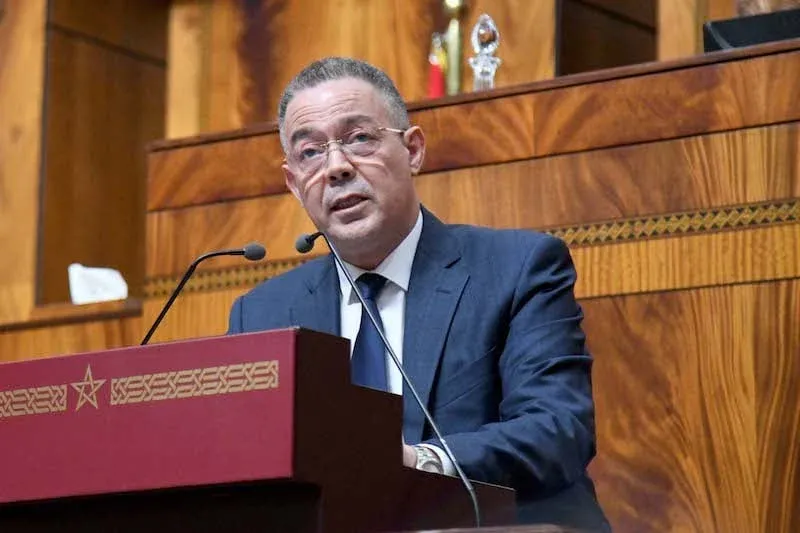
Fouzi Lekjaa, Morocco’s Minister Delegate in charge of the Budget, recently addressed a significant issue during a parliamentary session, revealing that certain Moroccan families are intentionally avoiding formal employment to maintain their eligibility for direct social aid. This revelation underscores a troubling imbalance in the nation’s social support system, where some beneficiaries, despite having the capability to work, choose not to engage in the labor market. By not declaring their professional activities, these individuals aim to preserve their access to government assistance, thus creating a cycle that undermines the very objectives of social support programs.
In response to these challenges, Lekjaa indicated that the government is actively working on a comprehensive reform, which includes amendments to Law 58.23 that governs the direct social support initiative. The proposed changes aim to clarify the program's intent and ensure that social assistance serves as a temporary aid mechanism rather than a long-term financial solution. The minister highlighted that the direct support scheme, initiated under King Mohammed VI's broader social reform agenda, has already provided assistance to over four million households since its inception, with the goal of lifting vulnerable families out of poverty and integrating them into the economic framework of the country.
Reforms to Enhance Employment Opportunities
To combat the disincentives for labor market participation, the draft legislation proposes two pivotal measures. Firstly, beneficiaries who manage to secure employment would be permitted to continue receiving their social assistance at the same level for a transitional period of one year. This initiative is designed to alleviate the anxiety surrounding job acceptance and the potential loss of vital financial support. Secondly, individuals who find themselves unemployed after having entered the workforce would automatically regain access to social support without the need for lengthy administrative processes or reevaluation of their eligibility. These reforms are crafted to bolster employment incentives while ensuring that a safety net remains in place for families in need.
Lekjaa reiterated that the core mission of the social support program is not to foster a dependency on monthly payments, which currently range from MAD 500 to MAD 1,000, but rather to empower individuals to secure stable employment that can lead to an improved quality of life. Launched in December 2023, the direct social support initiative has a monthly financial commitment of approximately MAD 2.2 billion, with an estimated total investment of nearly MAD 62 billion aimed at strengthening Morocco’s socio-economic landscape.
As reported by en.hespress.com.