Future Opportunities for Moroccan Companies in EU Contracts
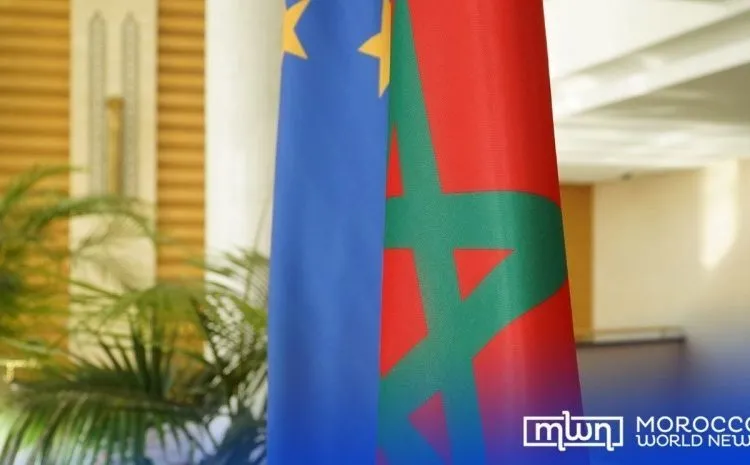
Moroccan companies are set to maintain their eligibility to compete for contracts financed through the European Union's proposed Global Europe Instrument for the period of 2028 to 2034, as indicated by a recent report prepared for the European Parliament. This development is significant for Moroccan businesses, as it ensures their continued participation in procurement, grants, and other EU-funded operations across various sectors of the program. The proposal specifically includes companies from the EU’s Southern Neighbourhood partner countries, which encompass Morocco, thereby extending opportunities for collaboration and growth in the region.
However, the report raises important concerns about the potential impact of new regulations that may prioritize European companies. It highlights a broad exception under Article 20 of the proposal, which grants the European Commission the authority to limit participation in specific cases related to security or the EU's strategic interests. The ambiguity surrounding these conditions poses a significant challenge, as the lack of clear definitions creates uncertainty regarding when and how restrictions might be enforced, potentially affecting which countries or companies could be excluded from participating in these lucrative contracts.
Implications of New Eligibility Rules
The study's authors warn that the introduction of such stipulations could lead to a de facto preference for European companies, even though the proposal does not explicitly mandate that EU-funded projects exclusively involve European firms. This situation could foster a complicated and inconsistent eligibility framework, thereby complicating access to EU-funded projects for Moroccan and other non-European companies. The report articulates that this complex landscape of eligibility could result in unpredictability in securing EU-funded procurement opportunities, ultimately making the process more selective.
Additionally, the report cautions that broader restrictions could stifle competition, potentially driving up costs and undermining the effectiveness of EU development assistance initiatives. It notes that companies from EU member states, particularly those with extensive development experience and longstanding historical ties to partner nations, may find themselves in a more advantageous position to win contracts compared to their Moroccan counterparts, despite the inclusive eligibility framework intended by the proposal. This disparity underscores the need for Moroccan companies to navigate the evolving landscape carefully as negotiations regarding the Global Europe Instrument progress.
As reported by moroccoworldnews.com.