Critique of Moroccan Tourism and Colonialism in Western Sahara
On July 25, 2026, Miguel Urbán, a former Member of the European Parliament and prominent Spanish political analyst, delivered a compelling address at the headquarters of the Sahrawi Republic in Chahid El Hafed. During his speech, Urbán illuminated the troubling reality that the Moroccan occupying authority has exploited the tourism sector as a strategic tool for the plunder of Sahrawi natural resources while simultaneously legitimizing its military occupation of the region. He underscored the moral responsibility of Spanish citizens who engage in tourism activities within the occupied territories, asserting that their involvement inherently supports the ongoing colonization and oppression of the Sahrawi people.
Urbán's comments were made during an international conference focused on the legal struggles surrounding the Sahrawi people's enduring sovereignty over their natural resources, an event that gathered both Sahrawi and international experts in the field. He articulated that the exploitation of the occupied territory, masked as tourism, represents a blatant violation of international law and contravenes the rulings established by the Court of Justice of the European Union. His remarks drew stark comparisons between Morocco's actions in Western Sahara and other contemporary colonial endeavors, notably likening them to proposals that seek to transform Gaza into a tourist destination at the expense of Palestinian suffering.
Exposing the Reality Behind Moroccan Tourism Claims
Urbán further elaborated on Morocco's aggressive marketing strategy, which has positioned the country as Africa's premier tourism destination since 2024, boasting an impressive 17.4 million visitors. He highlighted the Moroccan regime's efforts to promote the occupied city of Dakhla as an eco-friendly and sustainable travel hub, particularly for water sports, despite the underlying reality characterized by a pervasive security presence and a media blockade that restricts journalists and international observers. This environment obscures the ongoing human rights violations experienced by the Sahrawi people, creating a stark contrast to the idyllic images projected to potential tourists.
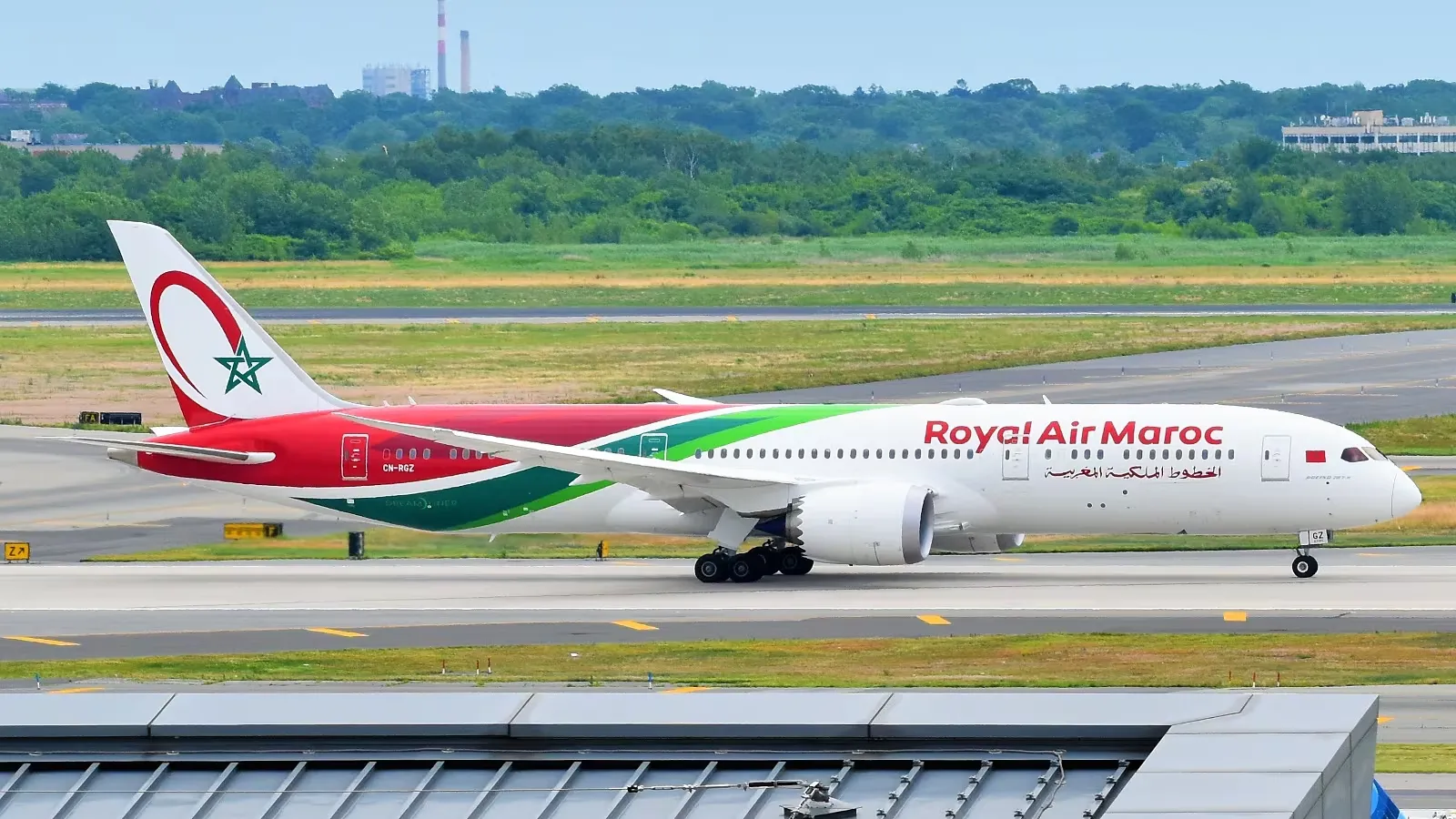
The activist did not shy away from criticizing the role of European corporations and institutions that contribute to this exploitative tourism model. He pointed out that the Moroccan occupation has enlisted Spanish social media influencers to promote tourism in Dakhla, facilitating the normalization of its illegal status. Furthermore, he noted the establishment of direct flight routes connecting the occupied city to European cities, such as Madrid and Paris, through airlines like Ryanair and Transavia, thereby increasing the influx of European tourists.
According to Urbán, these developments reflect a blatant complicity of multinational corporations in the ongoing exploitation of Sahrawi resources, directly challenging the legal judgments from the Court of Justice of the European Union, which affirm that no economic activity in Western Sahara can be deemed lawful without the explicit consent of the Sahrawi people. He also recounted instances of pressure and unlawful practices within the European Parliament, including the notorious 2022 'Moroccogate' corruption scandal, which exposed efforts to influence decisions in favor of Morocco.
In conclusion, Miguel Urbán emphasized the urgent need for continued political and legal efforts to dismantle Moroccan networks of influence and corruption entrenched within European institutions. He called for a steadfast commitment to uphold the Sahrawi people's inalienable right to self-determination and full sovereignty over their land and natural resources.
As reported by spsrasd.info.