
Challenges Facing Marrakech's Political Landscape
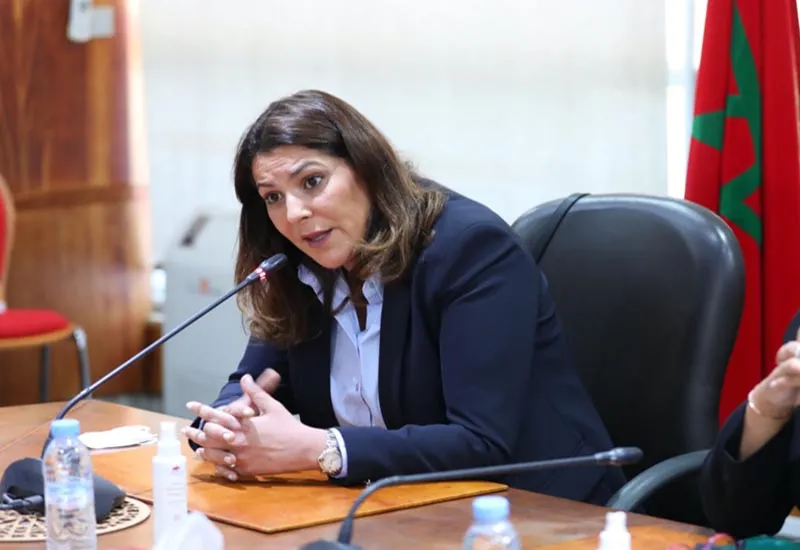
In the midst of significant political transformations in Marrakech, a crucial discussion is emerging regarding the nature of local leadership and its influence on the city's trajectory. Many observers assert that reaching the pinnacle of responsibility does not signify the end of the journey; rather, it represents the beginning of a challenging test that reveals the genuine ability to manage or exposes the fragility of the experience. In this context, pressing questions arise about the performance of the city's mayor, Fatima Zahra Mansouri, amidst growing accusations that the current phase fails to align with the aspirations of a city as prominent as Marrakech, along with its rich political and economic history.
Instead of serving as a catalyst for development, critics argue that the current leadership has devolved into a source of confusion, perpetuating ambiguity and deepening the trust deficit between political actors and citizens. The critiques extend beyond local governance and encompass the political ascent that elevated certain figures to decision-making positions, which, according to some analyses, is viewed as the result of temporary balances rather than an expression of rooted political competence. This perspective helps explain the ongoing confusion in performance and the transformation of political discourse into mere unfulfilled promises.
The Core Issues of Governance in Marrakech
At the heart of this landscape lies a fundamental question: Is Marrakech facing a crisis of individuals or a crisis of governance models? Current indications suggest that the issue transcends mere names, intertwining with a party structure grappling with internal instability, a decline in clarity of vision, and a drift towards practices that undermine its historical credibility. Furthermore, the rhetoric promoting the inevitability of victory in upcoming elections is met with widespread skepticism, particularly in light of increasing voices that perceive it as a form of "false reassurance" that overlooks profound changes in voter awareness. The electorate, having experienced accumulated lessons, is no longer swayed by slogans; instead, they assess performance based on its tangible impact on their daily realities.
Even more concerning is the potential for this situation to reduce political activity to mere struggles for positions rather than serving the public good. This brings to the forefront the pressing issue of renewing the political elite and the urgent need to break away from the logic of recycling the same figures who can no longer persuade the public or adapt to the transformations of the current era. Marrakech, with its rich history and symbolic weight, cannot afford further erratic trials or narrow calculations. The stakes at this juncture extend beyond just managing the city; they involve restoring trust in political action as a whole, a challenge that necessitates profound reconsideration, beginning with a candid evaluation of performance and culminating in the reconstruction of a governance model rooted in efficiency, transparency, and accountability.
Ultimately, discussing the "last nail in the coffin" of a political phase may seem harsh, yet it profoundly reflects the widespread anxiety among various observers—an anxiety that Marrakech might transform from a city of opportunities into a symbol of failure, shifting from a model of leadership to one in dire need of rescue.
As reported by hibazoom.com.


