Marrakech Court Ruling Against Abdul Ilah Tatoosh
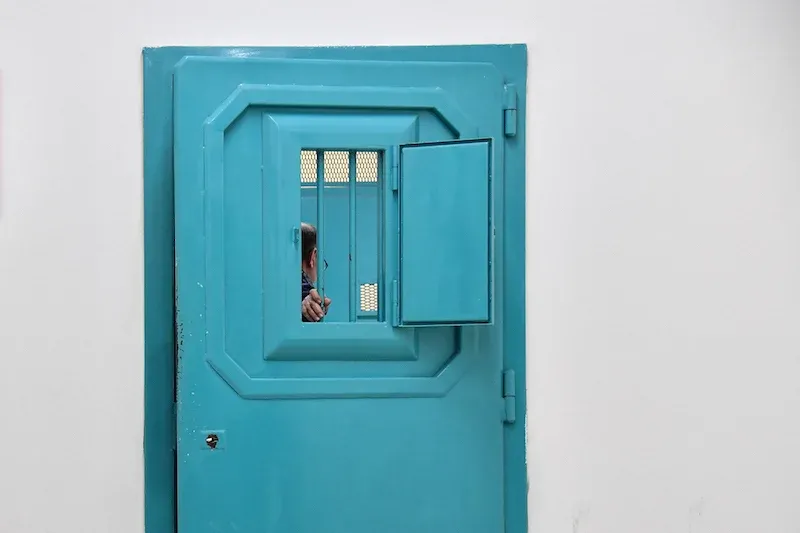
In a significant ruling earlier today, a primary court in Marrakech has found Abdul Ilah Tatoosh, the president of the National Association for the Defense of Human Rights and Protection of Public Funds, guilty of multiple charges including fraud, money laundering, and extortion. The court sentenced Tatoosh to a year and a half in prison and imposed a fine of 20,000 dirhams. This decision underscores the judiciary's commitment to addressing corruption and financial misconduct within civil society organizations.
Furthermore, in connection with this case, the court has authorized two notaries to visit the civil prison to obtain a power of attorney from Tatoosh, aimed at terminating the rental agreement related to the association's headquarters, as well as for the sale of two vehicles. The execution of this judicial order has been entrusted to the public prosecutor at the Marrakech primary court, reflecting a proactive approach to ensure the implementation of the court's decision.
Background of the Case
This case has its roots in earlier judicial proceedings, where Judge Mohamed Sabiri decided in February to imprison Tatoosh in the rural commune of Oued Aïda, merging two complaints into a single case. The allegations against Tatoosh include fraud, money laundering, and extorting funds through threats of exposing compromising information. The situation escalated when Tariq Hanich, a member of parliament for the Authenticity and Modernity Party, filed a complaint in December against Tatoosh, accusing him of defamation and libel. This complaint arose after Tatoosh distributed a complaint against Hanich to various newspapers, which Hanich claimed was a systematic attempt to tarnish his reputation with false information.
The allegations from the aforementioned association also included claims of converting public land into a private hospital in one of the neighborhoods of Marrakech, suggesting that it benefited a specific urban planning official and hinting at potential conflicts of interest. Hanich, however, clarified that the land designated for the "Jardin al-Abrar" subdivision was intended for a private medical facility, and the subdivision had received the necessary operational permits since October 22, 2020, along with provisional acceptance for its construction works. He emphasized that during his tenure as an elected local councilor responsible for urban planning, he did not issue any decisions concerning construction or land use that could be linked to the ongoing allegations.
This case raises critical questions regarding the integrity of human rights organizations and the judicial system in Morocco. With the public often caught in a dilemma of whom to trust—whether to place faith in these associations or the judiciary that sometimes accuses them of corruption—the situation remains tense. The adage "the protector is the thief" aptly summarizes the skepticism surrounding the relationship between civic organizations and the legal system in the region. As investigations continue, the public awaits further developments in this complex case and its implications for civil society in Morocco.
As reported by hespress.com.