Exploring the Themes of Sisterhood and Exploitation in La Más Dulce
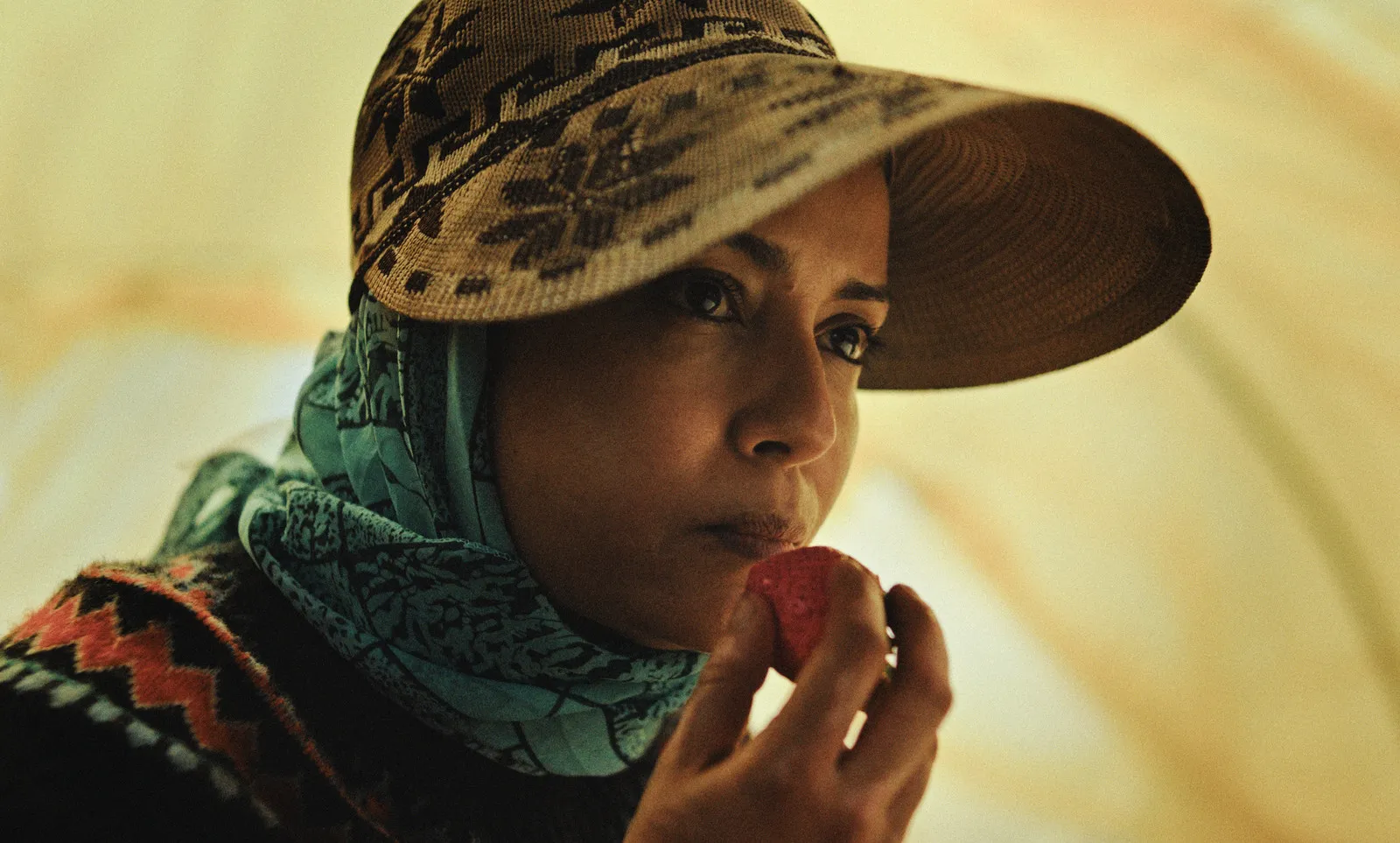
Two decades after the release of her debut film _Marock_ (2005), which portrayed the privileged youth of Casablanca grappling with societal prejudices, Franco-Moroccan director and screenwriter Laila Marrakchi is back with a poignant narrative in her latest work, _La Más Dulce_ (translated as _The Sweetest_). This film, which is part of the Un Certain Regard selection at the Cannes Film Festival, delves into the lives of Moroccan women who travel to Andalusia to pick strawberries, bringing to light the harsh realities of their working conditions and the bonds of sisterhood formed in the face of exploitation.
The inspiration for _La Más Dulce_ stemmed from a journalistic endeavor concerning the rights of women and migration, particularly focusing on Moroccan women who speak out against their labor conditions in Andalusia. Marrakchi accompanied a journalist friend to witness the stories unfold, gradually moving from real-life experiences to the fictional narrative of Hasna, an ex-taekwondo champion seeking a fresh start. Through Hasna's journey to Spain, she meets Meriem, and together they navigate their intertwined fates, embodying Marrakchi’s personal reflection as a Moroccan woman living in Paris, exploring themes of exile, cultural misunderstanding, and visibility for these women who labor tirelessly yet remain unseen.
The film was six years in the making, starting with the alluring dream of Andalusia, just a stone's throw from Morocco, and focusing on the universal human need to be propelled by aspirations and the narratives we create to move forward. For Marrakchi, the act of speaking out is portrayed as the only pathway to liberation, emphasizing the supportive connections among these women as vital to their survival.
Behind the Scenes: Filming Challenges and Cast Dynamics
The atmosphere during the filming of _La Más Dulce_ was marked by challenges that ultimately shaped the film’s raw authenticity. “I learned to embrace accidents,” Marrakchi noted, reflecting on the difficulties posed by working across two countries, multiple languages, and a tight budget. One memorable scene intended to be shot on a ferry between Tangier and Tarifa took an unexpected turn when the weather imposed its own narrative, capturing the genuine fear of the actress and leading to an organic portrayal of emotion that contributed to the film's depth.
The cast was carefully selected to embody a collective spirit that gradually unravels throughout the film. Nisrin Erradi, who plays Hasna, brings a powerful presence filled with defiance and anger that drives the film forward, while Hind Braik offers humor and levity. Hajar Graigaa’s visage evokes the silent film stars, and Fatima Attif represents the experience of the older generation. Each actress possesses a strong face that tells a story, often without the need for dialogue.
Reflecting on her journey into filmmaking, Marrakchi recalls how her uncle’s screenings of 35mm films captivated her as a child in Casablanca, igniting her passion for cinema as a means of escape and exploration of the world. Her influences are diverse, spanning from the New Hollywood movement to Cassavetes and Pasolini, alongside the Egyptian cinema of the 1960s and the telenovelas she grew up watching.
Looking ahead, Marrakchi is set to embark on a documentary project centered on her mother, a bridge champion from Morocco. She plans to follow her mother and her teammates across the globe, capturing their camaraderie, their strategic games, and their conversations about life—creating a space for dialogue that she feels has been missing between them.
As reported by festival-cannes.com.