Overview of the 2026 FIFA World Cup
The highly anticipated 2026 FIFA World Cup kicks off today, marking a historic occasion with a record-breaking 104 matches set to thrill fans. Taking place from June 11 to July 19, 2026, this prestigious tournament will be hosted across three North American nations: the United States, Canada, and Mexico. For the first time in World Cup history, the tournament will feature an expanded format with 48 teams competing, up from the previous 36, and the action will unfold in 16 different cities. This article provides a comprehensive overview of the match schedule, group stages, and key details to look out for.
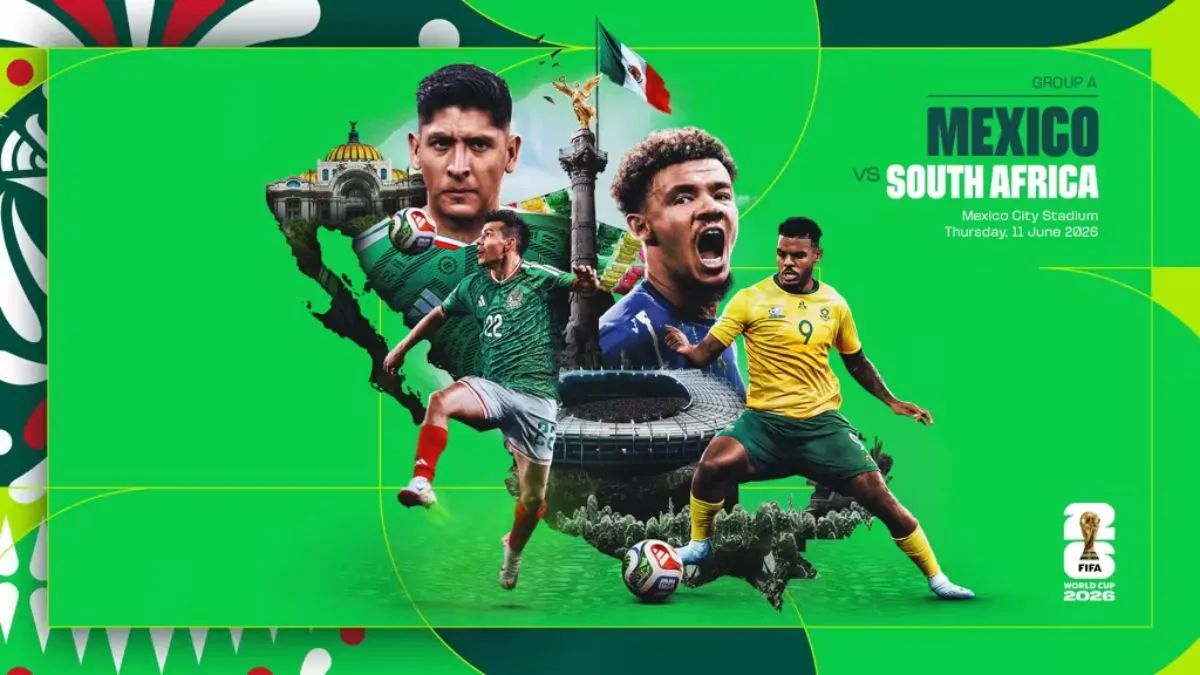
As the tournament begins, co-host South Africa triumphs over their opponent with a 2-0 victory, albeit amidst minor disturbances outside the stadium. After a rocky start in their qualification journey, Germany’s national team has managed to secure its place in the finals under the guidance of head coach Julian Nagelsmann. In the group stage draw, Germany has been placed in Group E, where they will face off against Ecuador, the Ivory Coast, and the World Cup newcomer Curaçao. Should Germany perform well and top their group, they will encounter a third-place team in the Round of 16, while the potential challenge in the quarter-finals could be against the winner of Group I, possibly facing off against strong contenders like France or Norway.
Exciting Changes and Complications
This World Cup is not just about the games; it also introduces significant changes to the tournament structure. For the first time, FIFA will implement a seeding system during the group stage draw, designed to ensure a more balanced competition among the strongest footballing nations. For Germany, the road ahead in the group phase could range from straightforward to extremely challenging, offering a mix of unpredictability and excitement.
The participation of Iran adds a layer of political complexity to this year's tournament, as the team is now based in Mexico rather than Arizona, as initially planned, while still competing in the United States. This situation highlights the intricate logistics surrounding the teams' travels and accommodations amidst various political climates. In total, 48 teams will be divided into twelve groups, where the top two teams from each group will automatically advance, along with the eight best third-placed teams qualifying for a new Round of 16. This structure creates a thrilling atmosphere where teams finishing third in groups A, B, and C will experience two days of uncertainty regarding their progression in the tournament.
As we look ahead, the tiebreaker rules for the tournament have also been clarified; in the case of equal points, goal difference will take precedence, followed by the total number of goals scored. If teams remain tied, head-to-head results will be considered, and should those stats be identical, the Fair Play score will be utilized, evaluating the number of yellow and red cards received.
This World Cup promises to be unforgettable, with 16 stadiums sharing the 104 matches across three countries. Eleven venues are situated in the United States, three in Mexico, and two in Canada. Fans can look forward to watching 60 of the 104 matches broadcasted by public broadcasters ARD and ZDF, along with all matches available through the subscription service of Telekom MagentaTV. Live coverage will also be accessible on the respective media libraries and apps of ARD’s Sportschau and ZDF’s Sportstudio, ensuring that fans can stay connected to the action wherever they are.
As reported by sueddeutsche.de.