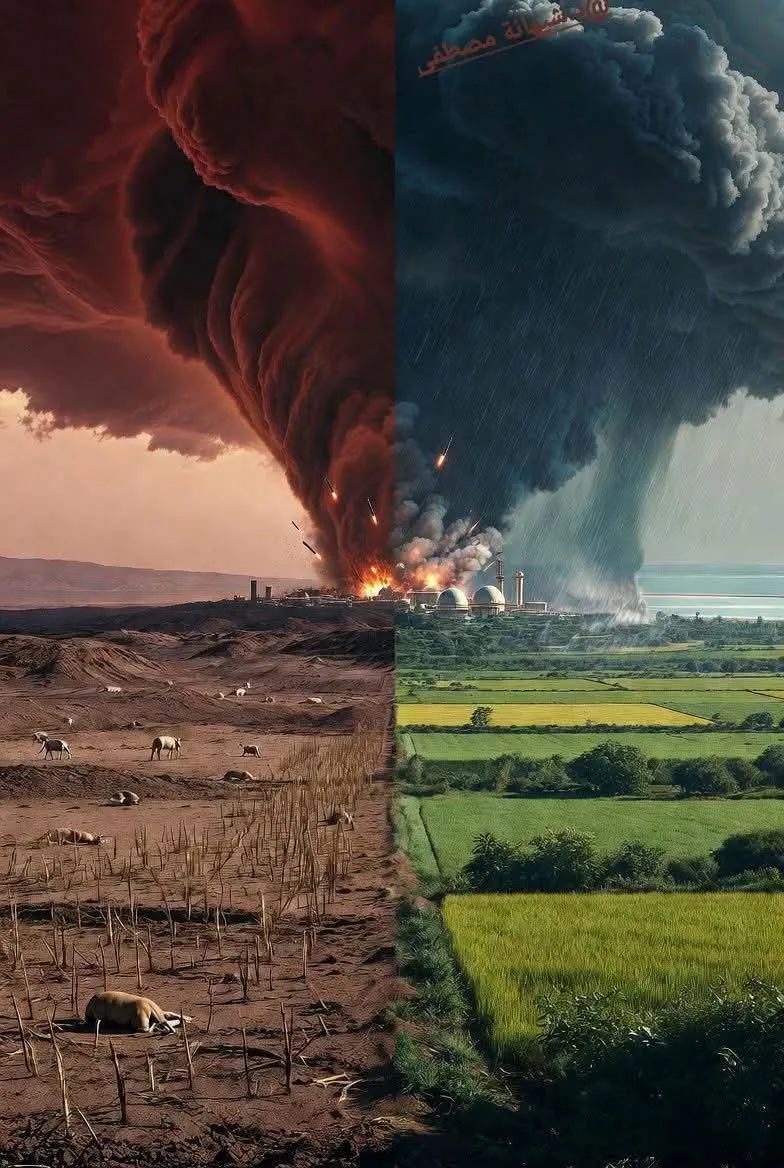
Iran's Climate Strike: A Shift in Warfare Tactics
The ongoing conflict in the Middle East, particularly the well-documented military tensions between Iran and the U.S.-Israel alliance, has taken a new and unexpected turn. This transformation is not merely about territorial disputes or military might; it extends into the realm of climate manipulation and control, a phenomenon that could redefine how nations conduct warfare in the 21st century. Recent events highlight Iran's strategic maneuvering as it launched an unprecedented attack targeting the very heart of a weather modification program in the United Arab Emirates, signaling a shift towards what some are calling 'climate warfare.'
On April 13, 2026, Iran executed a targeted strike on a secret facility in Abu Dhabi that was engaged in cloud seeding for weather control. This facility, as described by researchers including Fatima Saad Al-Hosni from the University of Oregon, is part of a larger global network aimed at managing climate. The repercussions of this strike were profound, resulting in sudden and significant weather changes across the region, particularly benefiting Iran, which had been suffering from severe drought conditions for years. The aftermath of this operation saw the return of rainfall, a drop in temperatures by approximately five degrees Celsius, and the revival of fertile lands that had long been parched.
The implications of Iran's strike extend beyond immediate weather patterns; they reveal a hidden aspect of climate manipulation that has been occurring behind the scenes. Observers noted that the attack was not merely about damaging a physical facility but about targeting a crucial node in a network that had been systematically drying out regions like Iraq and Eastern Iran. The subsequent changes in weather patterns—including the resumption of rain and the return of flooding—have raised questions about whether these climatic shifts were orchestrated by foreign powers to undermine the agricultural and economic stability of neighboring countries.
The Mechanisms of Climate Control and Their Impacts
The facility targeted by Iran was not solely focused on enhancing rainfall in the UAE for agricultural and tourism purposes. It also had hidden agendas, such as diverting clouds from Iraq and Eastern Iran towards the Gulf states, deliberately dehydrating rivers and aquifers in these areas, and creating crises that could weaken Iran and Iraq's geopolitical autonomy. Reports suggest that the methods employed at this facility included the use of chemical agents like aluminum oxide and silver iodide to manipulate atmospheric conditions, thereby exacerbating droughts in certain regions while artificially stimulating rainfall in others.
Iran's strategic strike has momentarily disrupted these operations, leading to a remarkable reversal in climatic conditions. Previously, areas in Iraq and Eastern Iran had been experiencing severe droughts with temperatures soaring above 50 degrees Celsius. Now, after the attack, temperatures have been reported to have decreased significantly, and rainfall has returned, rejuvenating agricultural lands that had been on the brink of collapse. This sudden climatic improvement has sparked debates among meteorologists and political analysts regarding the ethical implications of weather manipulation as a tool of warfare.
In light of these developments, the role of climate in contemporary military strategy cannot be overlooked. The Iranian attack has exposed the vulnerabilities associated with weather modification technologies, prompting a reevaluation of the geopolitical landscape in the region. As nations grapple with the realities of climate change and resource scarcity, the potential for climate to become a battleground for future conflicts looms large. This incident not only underscores the complexities of modern warfare but also highlights the urgent need for international dialogue and regulation surrounding climate manipulation technologies.
As reported by tanwer.ma.