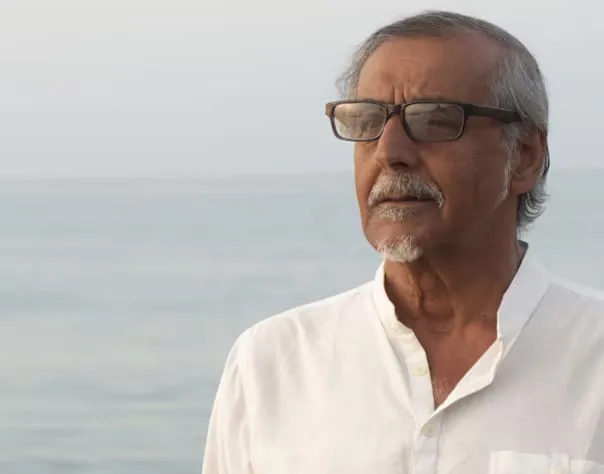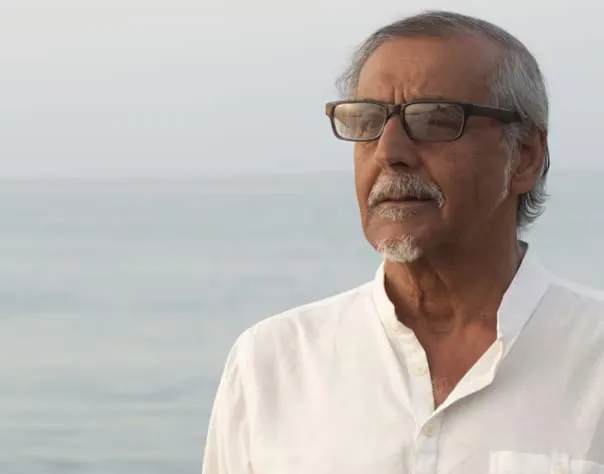
The Moroccan cultural and academic scene has suffered a significant loss with the passing of Professor Hamid Trixi, a prominent historian and researcher whose dedication to preserving Moroccan and Andalusian heritage was unparalleled. Throughout his distinguished career, Trixi devoted his efforts to safeguarding the historical and architectural memory of the kingdom, producing a wealth of research, studies, and publications that have become essential references in the fields of urban history, tangible and intangible heritage, architectural arts, and spiritual pathways.
Hamid Trixi was recognized as one of Morocco's foremost experts in heritage, accumulating decades of experience that blended academic research with fieldwork and historical documentation. His expertise led him to hold advisory roles with various international institutions dedicated to heritage preservation. For a decade, he served as an academic advisor for the El Legado Andalusí Foundation in Granada and collaborated as a scientific expert with the Arab World Institute in Paris and the Aga Khan Trust for Culture in Geneva.
His scholarly contributions received international acclaim, culminating in prestigious awards such as the Grand Medal of Arts and Sciences from the Academy of Paris and the Grand Atlas Prize awarded by the French Embassy in Morocco for his reference work on the ancient school of Marrakech titled "Médersa de Marrakech." Trixi's scholarly legacy includes over twelve publications that delve into the history and civilizational transformations of Moroccan cities. Notable works include "Fès… mille deux ans d’histoire" published in 2008, "Fès… l’âme du Maroc" from 2015, and significant texts on Marrakech and Safi, such as "Marrakech… Histoire et monuments" and "La colline des potiers… Histoire de la ville de Safi et de sa céramique." His documentary work, "Maroc… Magie des lieux," was completed in collaboration with the Arab World Institute in Paris.
In his later years, Trixi continued his research on the Alhambra Palace in Andalusia, a project that required extensive research and documentation, further enriching his already remarkable academic journey that celebrated the shared history between Morocco and Andalusia.
In the city of Safi, Trixi's name is associated with numerous pioneering cultural initiatives. As a founding member of the "Memory of Safi" Association, he played a crucial role in a landmark documentation project that spanned three years and culminated in a traveling exhibition showcasing a millennium of history of this coastal city. His efforts also included cataloging and classifying historical landmarks within Safi and creating a tourist signage map, alongside his reference book "Céramique de Safi entre histoire et gestes ancestraux," which documented the rich heritage of Safi's ceramics.
Trixi's commitment extended to heritage conservation, forming scientific partnerships with the University of Évora in Portugal to provide the necessary technical expertise to preserve the Palace of the Sea in Safi. He was also involved in ongoing scientific efforts to valorize the spiritual pathways in the city, particularly the Rabat of Sheikh and Rabat of Sidi Chaker, and advocated for UNESCO's support to classify Safi's ceramics as part of the intangible cultural heritage.
With the passing of Professor Hamid Trixi, Morocco loses one of its most dedicated guardians of historical memory, a researcher who believed that heritage is not merely a preserved past in books but a living identity that deserves exploration, documentation, and protection. His works will stand testament to an exceptional academic journey that has enriched the understanding of Morocco's historical narrative.
As reported by kechpresse.com.